


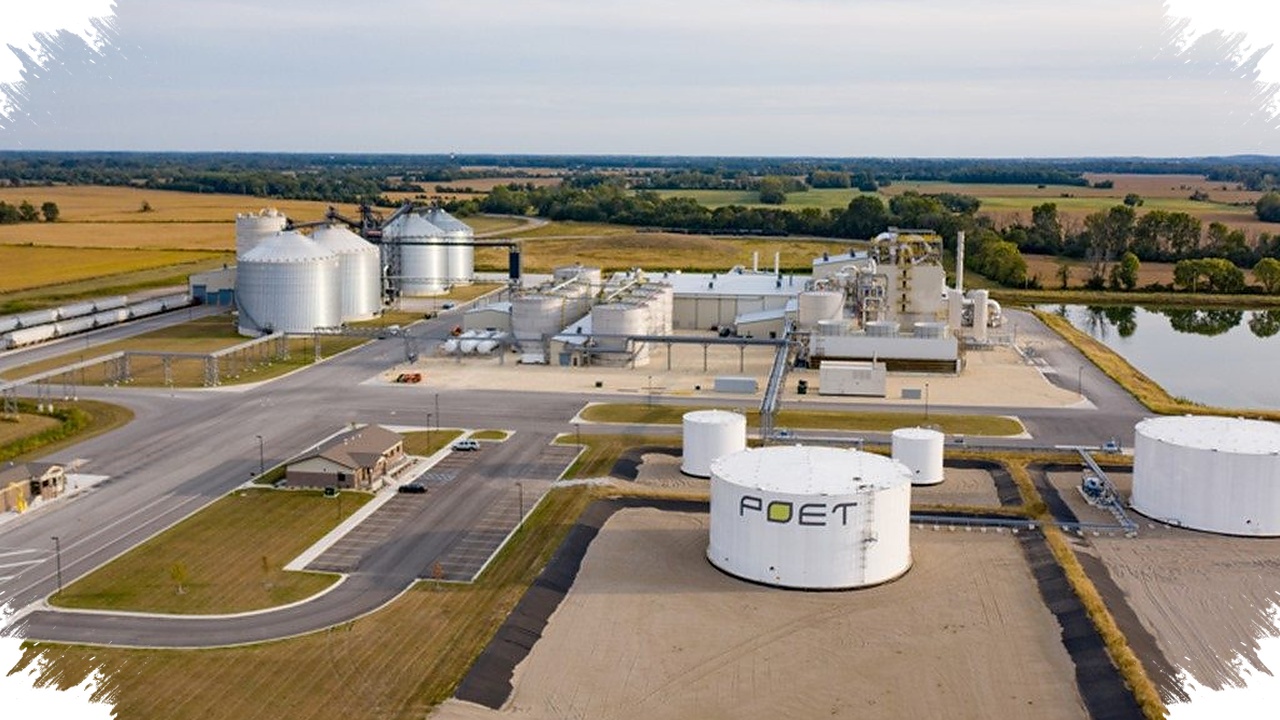
The push toward E20 is no longer being treated as a distant policy idea. Pertamina is accelerating domestic bioethanol development with PTPN III and Medco to strengthen local supply and reduce energy import dependence.
The plan is aimed at building an integrated bioethanol ecosystem from upstream to downstream. That means the focus is not limited to higher output, but also includes raw material availability, processing capacity, and distribution channels that can support a future bioethanol mandate.
Three projects, one supply chain
Pertamina New & Renewable Energy has signed three strategic memorandums of understanding with PT Perkebunan Nusantara III and PT Medco Energi Internasional Tbk through PT Medco Intidinamika. The cooperation covers revitalizing bioethanol facilities, building a new plant, and developing a molasses-based plant.
These three initiatives are being prepared to support the mandatory bioethanol rollout toward E20 in 2028. The structure of the projects shows a clear strategy: bioethanol supply will not rely on a single feedstock.
One project targets the revitalization of a bioethanol plant in Lampung. The facility will use a multi-feedstock model with a supply chain based on cassava and other commodities.
A second project focuses on building a new bioethanol plant in Bone, South Sulawesi. That project is backed by land development and raw material supply from cassava, corn, and sugarcane.
The third cooperation is between Pertamina NRE and PT Sinergi Gula Nusantara, a subsidiary of PTPN III. It is designed to develop a molasses-based bioethanol plant integrated with Indonesia’s sugar industry.
Why the pace matters now
The demand for bioethanol is expected to rise sharply as the fuel blend increases. That is why the E20 target is being treated as a supply and infrastructure challenge, not just a policy statement.
Eniya Listiya Dewi, Director of New and Renewable Energy Business at the Ministry of Energy and Mineral Resources’ Directorate General of New, Renewable Energy and Energy Conservation, said the bioethanol program can no longer be delayed. She said E20 will require a major leap in supply and infrastructure, making cross-sector collaboration a key factor.
She also stressed the need for regulatory support so industry players can move faster. In her view, policy readiness and industrial readiness must advance together.
Building an ecosystem from the ground up
In this scheme, PTPN III will play a role in supplying and managing feedstocks based on plantation commodities. Medco will strengthen industrial development and infrastructure, while Pertamina, through PNRE, will push downstream processing and the use of bioethanol as a cleaner energy source.
The model is designed as an ecosystem that links the supply chain from raw material sources to final product absorption. If it proves effective, the approach could also be replicated in other regions.
Pertamina Director of Transformation and Business Sustainability Agung Wicaksono said the best energy in the midst of global geopolitical dynamics is energy that comes from within the country. He sees the collaboration as a path to using domestically based renewable energy.
Agung also said stronger synergy among the Pertamina Group, the plantation sector, and strategic partners can support import substitution. At the same time, the move is intended to reinforce national energy independence.
The production gap remains large
Pertamina NRE CEO John Anis said national bioethanol demand to reach the E20 target in 2028 is estimated at around 3 million to 5 million kiloliters. That scale shows how much capacity must be prepared in a relatively short time.
According to John, meeting that need will require several production facilities across different regions. Pertamina plans to use multi-feedstock and multi-distribution schemes while considering local raw material availability and regional potential.
The size of the requirement means the upstream side must be strengthened first. Sustainable feedstock supply is a basic condition if the bioethanol blending target is to move beyond policy level.
PTPN III President Director Denaldy Mulino Mauna said the collaboration is part of a broader effort to build an integrated bioethanol ecosystem from upstream to downstream. He said bioethanol development also brings economic benefits, including market certainty for farmers and more stable supply for industry.
Part of a wider transition strategy
This cooperation is not a stand-alone move. Pertamina has also been promoting bioethanol ecosystem development in several locations, including Glenmore in Banyuwangi, a project with Toyota Tsusho in Lampung, and a pilot project based on aren in Garut involving social forestry groups.
The company has also been strengthening international cooperation and strategic investment in renewable energy. Together, these steps show that bioethanol is being placed within a broader energy transition strategy.
With the E20 requirement becoming larger and the implementation timeline drawing closer, readiness in feedstock, production facilities, and supply chain integration has become the main focus. Pertamina, PTPN III, and their industry partners are now pushing domestic bioethanol development so it can move faster and in a more measured way.