Apple’s rumored foldable iPhone is shaping up to compete on endurance as much as on design. The biggest talking point is not only the expected foldable form factor, but also a battery reportedly in the 5,400mAh to 5,800mAh range.
If that number proves accurate, the device would carry the largest battery ever used in an iPhone. It would also give Apple a potential advantage of around 1,000mAh over the Galaxy Z Fold 7, turning battery life into one of its clearest selling points in the premium foldable segment.
A premium foldable positioned above the Pro Max
The device is said to launch under the iPhone Ultra name, though some leaks also call it iPhone Fold. Rather than arriving as Apple’s fastest answer to the foldable market, it is expected to sit at the very top of the iPhone lineup, above the Pro Max series.
That positioning suggests a different strategy from a simple category entry. Apple appears to be targeting an ultra-premium audience with a thin design, high-end materials, and a product meant to define the company’s most advanced tier.
Display sizes point to a tablet-like experience
Leaked specifications describe a 7.8-inch inner OLED display with a 4:3 aspect ratio. That format should make the screen feel wider and may create a viewing experience similar to the iPad mini.
The outer display is said to measure 5.5 inches and also use OLED. Its more squared shape could make one-handed use easier than on some other book-style foldables.
Performance and software are built around efficiency
On the inside, the phone is linked to the A20 Pro chip built on a 2nm process. The leak suggests efficiency could improve by about 30 percent, reinforcing the idea that Apple is prioritizing battery life and power management as much as raw speed.
The device is also said to run iOS 20 with a special foldable mode. That support is expected to bring native side-by-side multitasking to iPhone, a feature that matters a lot on a large folding screen.
A thin body, with room kept for serious cameras
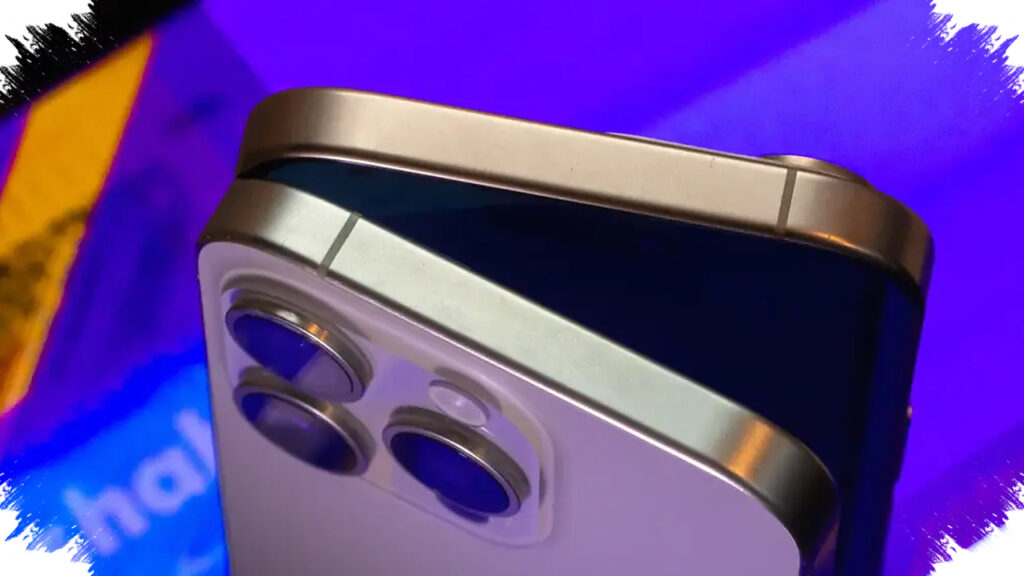
Reported dimensions suggest the phone will measure 9.2mm to 9.4mm when folded. Once opened, the internal chassis could slim down to around 4.5mm to 4.7mm, placing it among the thinnest foldables in its class.
The rear camera module still pushes the thickest point to 13.9mm. Apple appears to be accepting that tradeoff in order to keep a high-end camera system while preserving the slim profile that makes the device stand out.
Materials and hinge design aim for durability
The frame is said to use a titanium alloy, while the hinge reportedly relies on Liquidmetal. In the leak, that hinge material is described as twice as strong as titanium.
Apple also seems focused on reducing the visibility of the crease. A CoE OLED panel is reportedly paired with a metal stress-dispersion plate to help smooth the folding area and make the crease less noticeable.
Cameras and biometrics follow a different approach
At the back, the phone is said to feature a dual 48MP camera setup, made up of a main camera and an ultra-wide camera. The arrangement is reportedly horizontal, while zoom performance is tied to Apple Intelligence-based processing.
The front camera story is less consistent across leaks. One report says the inner display uses a punch-hole camera in the upper-left corner, while another specification table points to a 24MP under-display camera for the inner screen and a punch-hole camera for the outer screen.
Face ID is not expected on the inner display. Instead, Apple is reportedly planning Touch ID built into the side power button, a choice that would help preserve the phone’s thin design.
Price and launch plans remain firmly premium
The foldable iPhone is expected to debut in September alongside the iPhone 18 Pro and Pro Max. A more affordable foldable model is not expected before 2027, which points to a gradual approach to this new product category.
Pricing is rumored to fall between $2,299 and $2,899. Color options are said to stay limited to black and white, matching the restrained look Apple often uses for its most premium hardware.
Source: www.geeky-gadgets.com