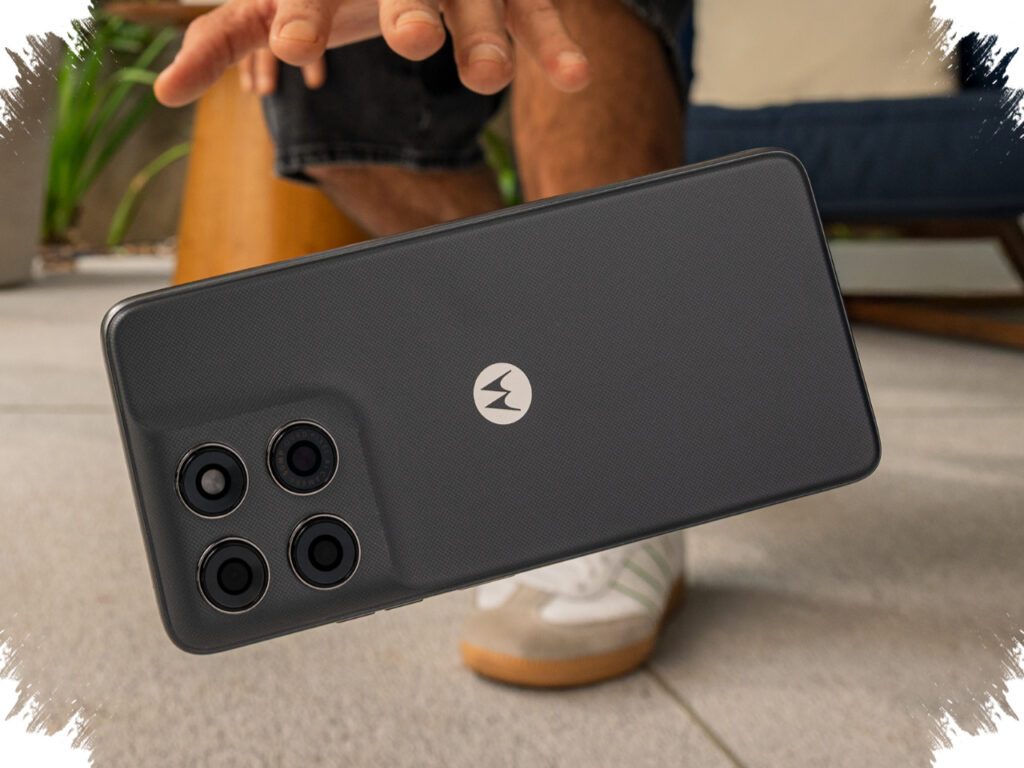
Motorola’s Moto G37 arrives with a simple message for budget 5G buyers: some everyday features are still worth keeping. Rather than cutting out familiar hardware in the name of modernity, the phone keeps a 3.5 mm audio jack and pairs it with a 120 Hz display and stereo speakers with Dolby Atmos.
That combination makes the device stand out in the entry-level class, especially for users who still rely on wired headphones and spend a lot of time on video, music, or casual gaming. Motorola introduced the Moto G37 globally on Wednesday, 29 April 2026, and positioned it as the most affordable model in the Moto G Series.
A budget phone that still values wired audio
The 3.5 mm jack remains one of the clearest differentiators on the Moto G37. For users who prefer wired headsets, it removes the need for adapters or extra accessories.
In daily use, that old-school port still offers practical benefits. Wired headphones can be easier on battery life and more stable for long gaming sessions or extended video playback.
Motorola does not stop there. The phone also includes stereo speakers and Dolby Atmos support to give its audio setup more depth than many phones in the same price range.
Large screen, smoother motion
The display is another major selling point. Motorola equips the Moto G37 with a 6.67-inch LCD panel, Full HD Plus resolution, and a 120 Hz refresh rate.
That high refresh rate should make scrolling feel smoother and gaming animations look more fluid. For a low-cost smartphone, the size and refresh rate combination is clearly aimed at users who consume a lot of content on their phones.
The front also gets Corning Gorilla Glass 7i for extra scratch protection during everyday use. On the design side, the phone follows current trends with slim bezels and a punch-hole camera, which helps the screen feel more open.
Dimensity power with flexible memory
Under the hood, the Moto G37 uses the MediaTek Dimensity 6300 built on a 6 nm process. Motorola pairs it with 4 GB of LPDDR4X RAM, then adds RAM Boost to expand virtual memory up to 12 GB.
Storage reaches 256 GB using UFS 2.2, which gives the device a more generous base than many phones in the entry segment. If that still is not enough, users can expand storage through a microSD card up to 1 TB.
This setup shows that Motorola is targeting more than just 5G connectivity. It also gives the phone enough flexibility for users who keep large photo libraries, video files, or many apps on their device.
Cameras, battery, and everyday extras
For photography, the Moto G37 carries a 50 MP main camera with PDAF and quad pixel binning. Motorola says that setup should help produce brighter photos, especially in low-light situations.
There is also a 2 in 1 sensor to support ambient light and flicker adjustments. On the front, an 8 MP camera handles selfies and video calls.
Battery life is backed by a 5,200 mAh unit, which should suit users who stay active with work, study, and entertainment throughout the day. The phone also includes NFC, Bluetooth 5.4, FM radio, WiFi 5, and a USB-C port.
Durability features round out the package with IP64 certification and MIL-STD-810H support. Software comes in the form of Android 16 with Hello UX, which is known for being light and keeping preinstalled apps to a minimum.
Motorola has not announced global pricing for the Moto G37 yet. For reference, the earlier Moto G35 5G launched in Europe from 199 euro, and the Moto G37 is expected to cost about 25 percent more because of its upgraded specifications.