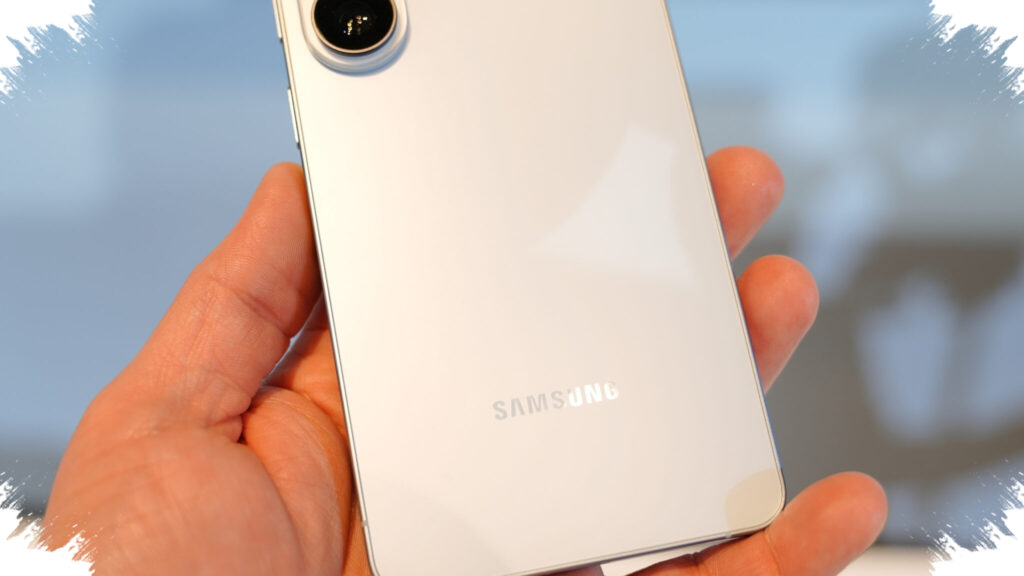
Samsung’s next flagship lineup is shaping up to lean heavily on Snapdragon, but not everywhere. The latest chatter around Galaxy S27 points to a clearer split than before, with the two highest-end models expected to use Qualcomm chips globally while the other two still leave room for Exynos in selected markets.
That pattern matters because it suggests Samsung is not abandoning its dual-chipset approach. Instead, the company appears to be sharpening how it applies that strategy, especially across the premium tier.
A more defined four-model lineup
A South Korean leaker has added a specific layout to the discussion, saying Galaxy S27 will arrive in four versions: Galaxy S27, Galaxy S27 Plus, Galaxy S27 Pro, and Galaxy S27 Ultra. The most notable change in that lineup is the appearance of the Galaxy S27 Pro, which is described as a new upper-priced model.
At the same time, the ultra-thin Galaxy S25 Edge appears not to have a successor in this plan. That detail suggests Samsung may be reshaping the family around a more conventional flagship structure rather than continuing the Edge approach.
Snapdragon for the top two
The clearest part of the current picture is the chipset split at the top. Galaxy S27 Pro and Galaxy S27 Ultra are said to use Snapdragon worldwide, which would make them the most consistent members of the lineup across regions.
Galaxy S27 and Galaxy S27 Plus, by contrast, are still expected to vary by market. Those two models may ship with either Snapdragon or Exynos depending on the region, keeping Samsung’s familiar flexibility in place for the lower flagship tiers.
Qualcomm says Samsung still relies on dual AP
Qualcomm has also reinforced the idea that Samsung will keep using two application processor paths in 2027. In a recent call with investors and analysts, Cristiano Amon said the partnership is mapped for more than 70% of Galaxy S27 devices.
That is a notable shift from the roughly 50% split Qualcomm previously associated with Samsung’s Snapdragon and in-house silicon. The new figure points to Snapdragon holding a much larger role in Samsung’s premium devices than before.
Exynos still has a place
Even with Snapdragon expanding its share, Exynos is not disappearing from the picture. The available information still leaves room for Samsung to use its own chip in some markets, particularly on the standard Galaxy S27 and Galaxy S27 Plus.
That approach would let Samsung maintain regional control over cost and supply while keeping the highest-end models locked to Qualcomm hardware. The result would be a cleaner premium positioning for the Pro and Ultra, without fully ending the company’s mixed-chip strategy.
A plan that could still change
The current details remain unconfirmed by Samsung and Qualcomm. There is also no official explanation yet for how the chipset split will be assigned by model or by market.
Samsung has shown before that its launch plans can change late in development. Galaxy S26 was reportedly adjusted very late, and Galaxy S26 Edge was even canceled in October of the previous year despite being close to completion. That history leaves room for the Galaxy S27 plan to shift again before launch, even if the present signals strongly favor Snapdragon at the top and Exynos in selected lower-tier configurations.