


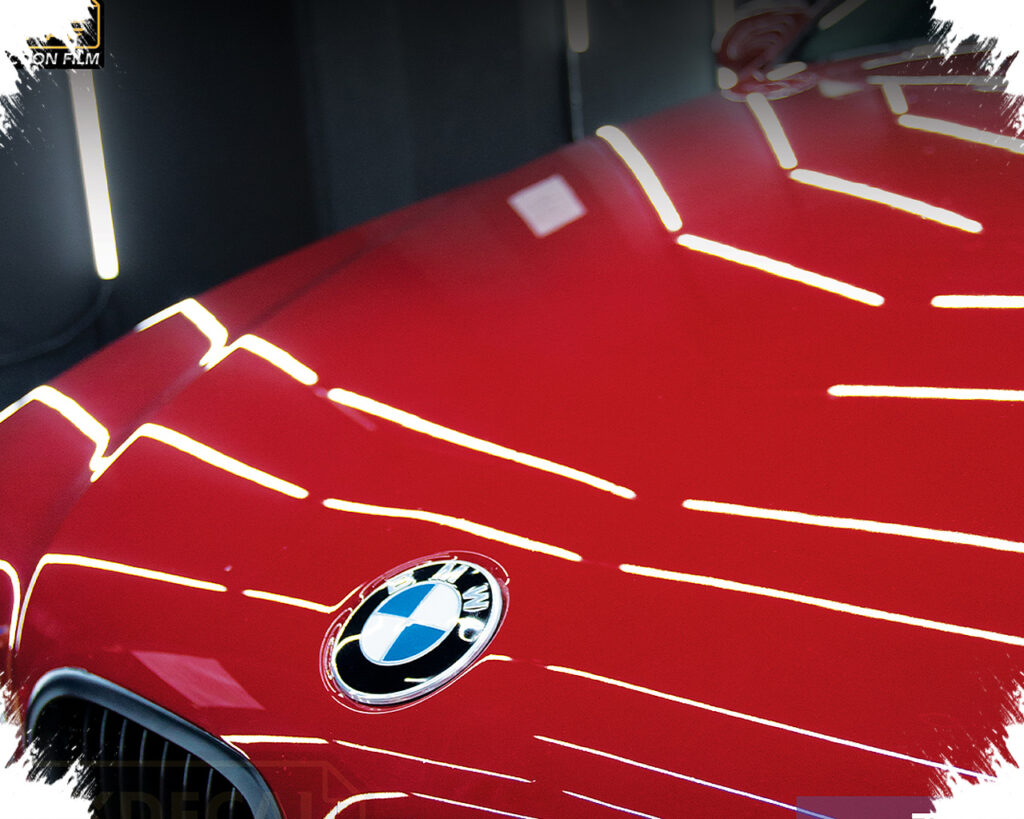
The look of new cars in Indonesia is shifting, and the change is moving away from matte surfaces toward a stronger wet-look finish. For 2026, ultra-glossy paint is being seen again as the more premium choice because it delivers sharp reflections, a mirror-like effect, and a more modern presence on the road.
That visual shift fits current car design trends. Many newer models now use flowing curves, aerodynamic lines, and futuristic details, and a high-gloss surface helps those shapes stand out more clearly under city lights.
Why wet look is pulling attention
Wet look has become the most noticeable style as interest in reflective finishes rises. The effect makes the paint appear freshly polished and permanently glossy, as if the surface is still wet.
This look comes from a clearer and thicker clear coat layer. As light hits the body, the reflection appears sharper and more dramatic, which gives the vehicle a more exclusive feel.
The appeal is no longer limited to luxury models. SUVs with premium positioning and everyday modified cars are also starting to use this style more often.
Matte paint is losing some ground
At the same time, matte or doff finishes are gradually becoming less dominant in 2026. The style once carried a sporty and aggressive image, but its place has started to narrow as preferences change.
Maintenance remains one of the main reasons. Matte paint is harder to preserve because minor scratches are not easy to polish out, and the surface is also more likely to hold oil marks and fingerprints.
Glossy finishes are seen as more practical for daily use. Their shine can be restored through detailing, giving owners more options to keep the car looking clean and fresh.
Protection technology is helping glossy finishes return
The comeback of glossy styling is also supported by paint-protection technology. Many car owners now choose Paint Protection Film, or PPF, with self-healing features.
This technology allows fine scratches on the surface to disappear when exposed to sunlight heat. It helps answer long-standing concerns about swirl marks, especially the fine spiderweb-like scratches that often worry glossy-paint owners.
Nano ceramic coating is also becoming more popular among premium car owners. The layer helps preserve shine for longer and makes washing the vehicle easier.
That growth is also supporting the detailing business. Services for detailing and coating are reportedly seeing stronger demand in major Indonesian cities as more owners try to keep the wet look for longer periods.
Color choices are following the same direction
The trend is not limited to finish alone. Color preferences are also shifting toward styles that work well with reflective surfaces.
Candy colors are gaining interest again because they create a transparent but still sharp appearance. Under light, they look more vivid and more exclusive, which matches the deeper color effect of ultra-glossy paint.
Iridescent or chameleon colors are also appearing more often in modification culture. Their changing gradients, depending on viewing angle and light direction, make cars feel more personal and visually distinct.
These choices reinforce the visual direction of automotive styling in 2026. Owners are no longer focusing only on cleanliness, but also on a body finish that draws attention and expresses character.
Detailing is becoming part of the lifestyle
The way people care for cars is also changing with the trend. Auto detailing is no longer viewed simply as a car wash service, but as part of long-term visual investment.
A consistently shiny car is increasingly seen as a reflection of the owner’s taste. That shift is especially visible among premium car users and modification communities.
Some modern detailing centers are even adopting a premium lounge concept. The approach shows that vehicle care is moving closer to urban lifestyle expectations, where appearance and maintenance now go hand in hand.