


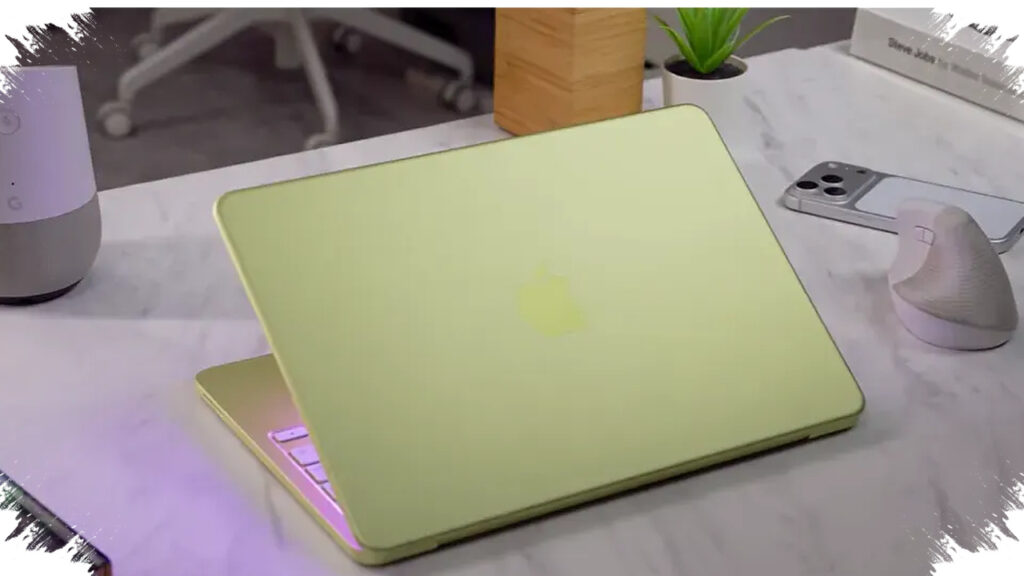
MacBook Neo 2 is emerging as an unusual threat to budget Windows laptops, not because it is the cheapest option, but because it changes what buyers are willing to prioritize. When performance, memory, storage speed, and charging improvements arrive in a more accessible package, low-cost Windows machines can no longer rely on price alone to hold their ground.
That shift matters because the budget laptop segment has long been one of Windows’ strongest territories. If Apple moves further into a more competitive price range, both consumer and business purchasing decisions could change faster than expected.
A different kind of pressure on the budget market
The core appeal of MacBook Neo 2 lies in the combination of upgraded hardware and a more approachable price point. It is said to come with 12GB of RAM, a faster processor, an improved SSD, and more advanced charging technology.
Those details reshape the way entry-level laptops are judged. Buyers are paying closer attention to overall value, including multitasking performance, everyday speed, and long-term efficiency, instead of focusing only on the initial cost.
According to Max Tech, MacBook Neo 2 builds on the foundation of the previous MacBook Neo generation, which was already known for balancing strong performance with cost efficiency. The new model is described as sharpening that approach with improvements aimed at modern user needs.
For individual users, 12GB of RAM offers more room for running several apps at once. That matters for productivity work, creative tasks, and daily use cases that increasingly demand more memory headroom.
A faster processor also strengthens the device’s position in this segment. Better responsiveness can make the experience feel smoother, especially when switching between applications or handling heavier workloads.
Storage and charging add to the value case
The upgraded SSD is another important part of the package. Faster data access affects more than file opening times, since it can reduce waiting across everyday tasks and improve overall workflow efficiency.
More advanced charging technology adds a practical edge as well. In a crowded market, small differences like this can become decisive when buyers compare machines in similar price ranges.
This is where budget Windows laptops face a new kind of challenge. Many well-reviewed Windows models have become more expensive, which has pushed price-sensitive buyers to look more seriously at alternatives.
MacBook Neo 2 is being positioned as one of those alternatives. It is said to deliver performance that can compete with more expensive Windows laptops while sitting at a more accessible price point.
That combination may also appeal to businesses. Companies looking for reliable devices for daily operations could see MacBook Neo 2 as a way to control costs without giving up too much performance.
Apple’s reputation adds another layer to the equation. Perceptions of durability and reliability can influence purchasing decisions, especially in professional environments that depend on stable devices over the long term.
Windows is not only facing Apple
The competitive picture is also changing on another front. Windows is under pressure not just from Apple, but also from Linux-based systems that are becoming more relevant.
Microsoft is responding by focusing on software innovation to protect its user base. One of the most anticipated updates is the “K1” update, which is expected to bring a new taskbar and better memory optimization.
The redesigned taskbar is intended to improve ease of use and simplify navigation. Memory optimization is meant to improve system performance while reducing resource consumption.
Still, software improvements alone may not be enough to slow the competition. As buyers demand value, performance, and innovation at the same time, the pressure on Windows laptop makers can continue to grow.
Linux is also expanding its role as a practical alternative. It attracts users who value security, reliability, and flexibility.
Access to Linux has become easier as well, thanks to its pre-installed presence on Framework laptops. That reduces adoption barriers, including for non-technical users who may have been reluctant to try it before.
Framework itself is known for hardware that can be customized and upgraded. That approach appeals to consumers who care about sustainability, more control over their devices, and greater transparency.
The broader result is a laptop market that feels less closed than before. Buyers searching for the best value for work or study now have more options than the traditional two-way Windows-versus-Mac choice.
For consumers, that competition is useful. Tighter pressure between Mac, Windows, and Linux is pushing the market toward more affordable laptops, better hardware, and more useful software features.
MacBook Neo 2 stands out because it brings affordability and innovation into the same conversation. If it meets market expectations, budget Windows laptops may find their toughest pressure not from low-cost rivals, but from a product that has long been associated with the premium side of the market.