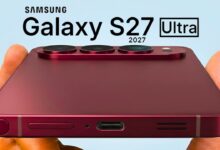
Samsung’s One UI 8.5 is finally reaching Galaxy flagship phones, but the rollout is arriving later than many users expected. The update brings a refreshed interface, new functions, and several AI features that first appeared on the Galaxy S26.
For owners of the Galaxy S25, Galaxy Z Fold 7, and Galaxy Z Flip 7, the software release matters because it is the first major update after One UI 8 based on Android 16 arrived in September 2025. It also shows Samsung is beginning to extend its newest features to more flagship models.
A limited rollout for now
The first stable firmware, BZDP, is only available in South Korea at this stage. Samsung is targeting Galaxy S25 users, including the S25 FE, along with Z Fold 7 and Z Flip 7 owners who joined the One UI 8.5 beta program.
Because the update is going to beta testers who already have a test build installed, the over-the-air package is relatively small. Reported download sizes are around 580 MB to 600 MB.
If no issues appear, the same build is expected to reach the public within the next few days. Samsung typically expands early releases to European markets within days of the initial launch, so wider availability could follow soon.
More than a cosmetic refresh
One UI 8.5 is not limited to small visual changes. Samsung has also added more practical improvements aimed at everyday use.
One of the most notable additions is AirDrop compatibility for Quick Share. That change broadens file sharing and strengthens Quick Share as a cross-device transfer option.
The update also brings AI-based features that were previously seen on the Galaxy S26. These include automatic call screening, image generation through Photo Assist, and a newer version of Bixby that is described as smarter.
For Galaxy S25 owners, that makes the update more meaningful than a routine interface polish. It affects core parts of the phone experience, including calls, digital assistance, and image handling.
Built on a newer Android base
There is also a technical angle to One UI 8.5 that makes it stand out. It is one of the first Android interfaces built on Android 16 QPR2.
That is different from the approach many Android brands usually take, since they often stop at the first major Android release and skip the following Quarterly Platform Release updates. In this case, the newer Android base gives Samsung more room to deliver modern features that align with platform changes.
Google has already used Android 16 QPR1 to bring Material 3 Expressive and live activities for notifications to Pixel phones. With QPR updates becoming more substantial, Samsung’s choice to build on a later platform release gives One UI 8.5 a fresher foundation.
Fast at first, slower the next round
Samsung did move quickly with One UI 8 after Android 16 launched, but the next step has taken longer than expected. One UI 8.5 first debuted on the Galaxy S26 in early March 2026, yet the company is only now bringing it to other flagship Galaxy devices.
That delay is notable because Samsung had previously signaled a faster development rhythm. In July 2025, Sally Hyesoon Jeong, Executive VP and Head of Framework R&D at Samsung, said the company was shifting to Google’s Trunk Stable development model.
In theory, that approach should help operating system updates arrive faster and more often. So far, the results have not fully matched that promise, even though Samsung did respond quickly during the first phase of Android 16.
For users, the situation cuts both ways. The update brings useful features and a more current Android foundation, but the rollout pace still suggests that faster expansion remains a challenge. The main focus now is how quickly this stable build moves beyond the beta circle in South Korea and reaches other regions.
Source: www.androidpolice.com