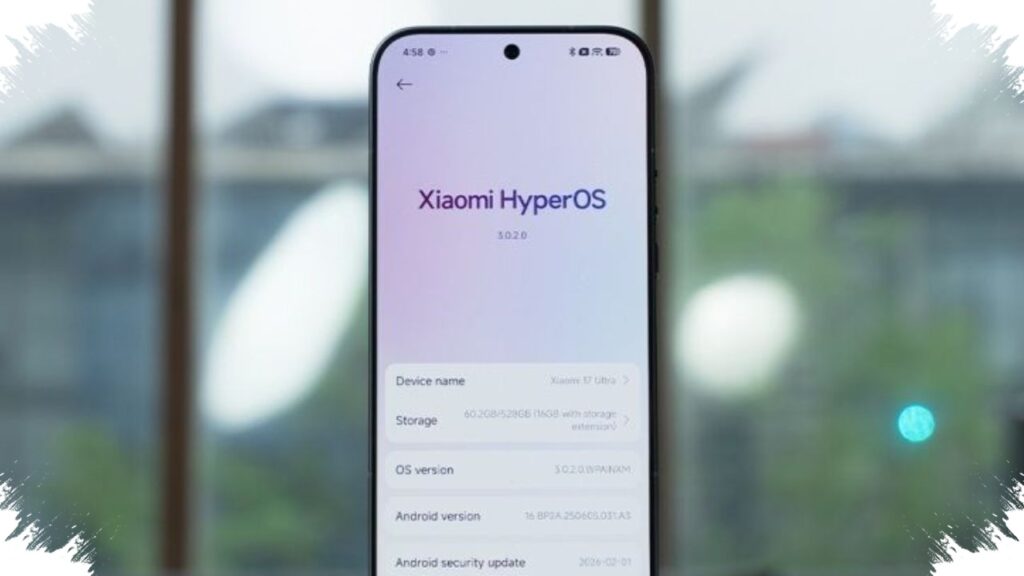
For Xiaomi users, HyperOS 4 is shaping up to be more than a routine interface refresh. The latest rumors point to a software overhaul that targets both the visible design and the long-standing problems that have often drawn criticism from users.
The update is being described as one of Xiaomi’s biggest moves since the company left MIUI behind. Instead of focusing only on cosmetic changes, HyperOS 4 is said to touch three layers at once: appearance, system foundation, and performance.
A more premium visual direction
One of the most talked-about elements is the Liquid Glass design, which is expected to become a defining trait of HyperOS 4. The effect is said to rely on dynamic blur, semi-transparent panels, layered animations, and real-time visual reflections powered by the GPU.
That approach would make everyday actions feel less flat. Opening notifications, pulling down the control center, or moving widgets around is expected to look smoother and more polished.
This matters because Xiaomi’s interface has often been a point of criticism. The phones are known for offering many features, but the software design has not always given users the premium impression seen on some rivals at the top end of the market.
The software cleanup behind the scenes
HyperOS 4 is also rumored to go deeper than visuals. Xiaomi is reportedly removing legacy frameworks and rewriting core apps using Rust, a move that suggests a serious effort to reduce the baggage left from the MIUI era.
That legacy has long been associated with technical debt. Common complaints have included notification bugs, inconsistent RAM usage, occasional animation stutters, and slow regional update rollouts.
A wider shift to Rust could help limit memory leaks and crashes while improving the stability of system apps. If that happens across more parts of the software stack, HyperOS 4 would represent more than a design update.
Android 17 and the hardware question
The same leaks say HyperOS 4 will be based on Android 17. That immediately raises the issue of which devices will be able to take full advantage of the new visuals and system behavior.
Xiaomi’s Android 17 Developer Preview program is reportedly already open in a limited form for some flagship models. Still, GPU-based blur and real-time transparency rendering are expected to demand strong graphics performance to run properly.
For that reason, Xiaomi’s flagship lineup, the T Pro series, and premium POCO F devices are expected to benefit the most. Mid-range phones may receive a lighter version of the visual effects instead.
Leica’s influence may spread beyond the camera
Another detail adding weight to the rumor is the reported Leica-inspired color treatment across the system. Xiaomi’s Leica partnership has so far been best known for camera work, but HyperOS 4 is said to extend that influence into the wider interface.
The Leica tone is reportedly planned for the UI panels, lockscreen, widgets, icon accents, and gallery. That would give Xiaomi a more unified identity across the system, rather than limiting the brand’s premium feel to photography alone.
In today’s smartphone market, the first impression often starts the moment the screen lights up. If all of these elements arrive together, HyperOS 4 could mark a major step in Xiaomi’s effort to move beyond the MIUI image that still follows the brand closely.