


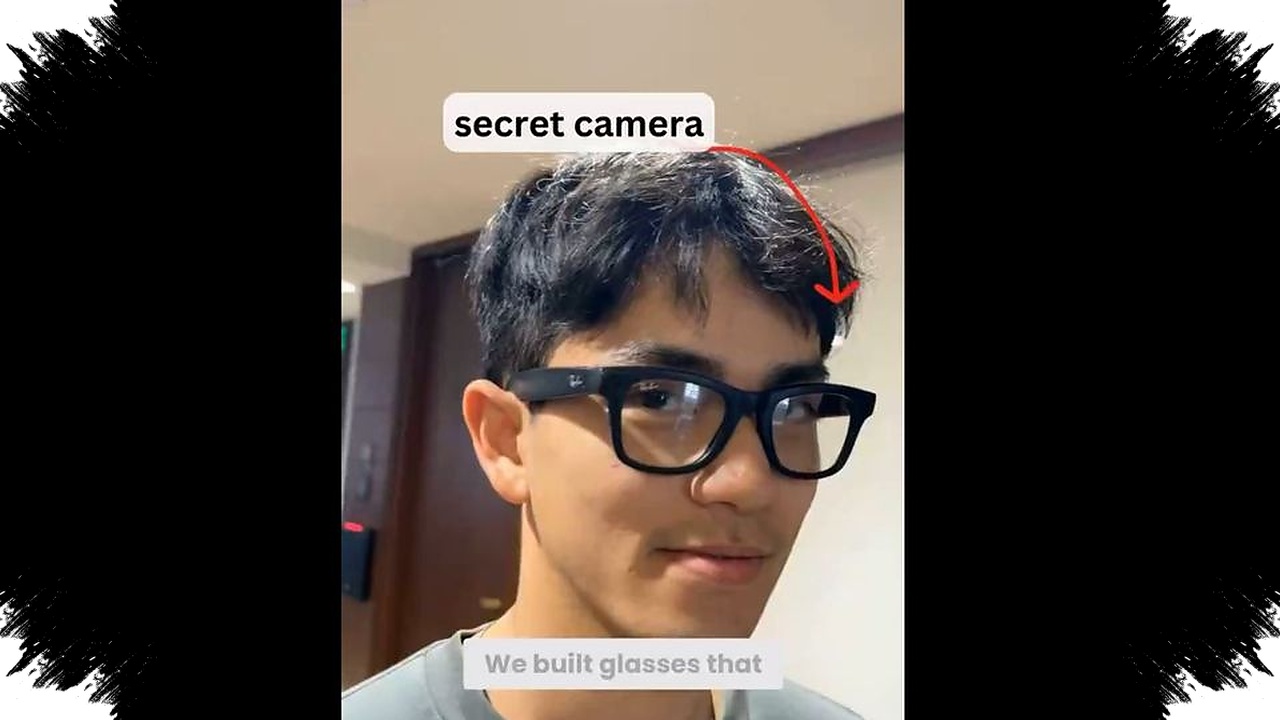
A video recorded without consent has turned a privacy dispute into a much broader concern about smartglasses and the way personal interactions can be turned into public content. In this case, the issue did not stop at silent recording, because the person filmed was later told the video would only be removed if payment was made.
BBC reported that the woman involved used the name Alice. She said she never agreed to be recorded or published, and she felt humiliated when she later found out the video had been uploaded and viewed more than 40,000 times.
From private conversation to public content
Alice said she had no idea she was being filmed until a friend sent her the link. The content was believed to fit the “pick up artist” format, where a man approaches a woman and later repackages the exchange as dating advice or online content for other men.
That pattern is part of what has fueled criticism, because a conversation that should have remained private can quickly become material for a much larger audience. In this case, the video was not only recorded without consent, but also distributed in a way that exposed the woman to public scrutiny.
When Alice contacted the uploader and asked for the video to be taken down, she received an email that BBC later published. The message reportedly said the content was “fully compliant with the law and platform guidelines,” and added that removal was usually offered as a paid service.
No payment amount was disclosed in the report. The uploader, whose name was not released, later told BBC he did not want to be interviewed.
Why the smartglasses angle matters
The case has drawn attention because the device believed to have been used was potentially a pair of Ray-Ban Meta smartglasses. If so, the camera could record up to three minutes in a single take, and the glasses include an LED indicator meant to show people nearby that recording is happening.
In theory, that light is supposed to prevent fully hidden recording. In practice, there are ways to bypass the indicator, which means other people may not know when the camera is active.
That is one reason smartglasses worry privacy advocates more than ordinary phones. The camera does not need to be lifted into view, because it is built into something that looks like a normal accessory worn on the face.
Even without any trick to disable the visual warning, people around the wearer may still miss the fact that recording is taking place. In a brief public encounter, that can leave no real opportunity to ask for consent before footage is captured.
A broader debate over ethics and platform control
Professor Clare McGlynn of Durham University in the UK said the situation went beyond “standard extortion.” Her view added to concerns that the issue is not just about one deleted clip, but about how personal material can be used to pressure the person filmed.
BBC also said it knew of another woman who had been placed in a similar situation, suggesting the problem may be wider than a single viral post. That broader pattern has intensified debate over how these videos circulate and how much control victims have once the content is online.
Platforms have already taken action in this case. Meta removed the video, TikTok also removed it, and the YouTube channel where similar content was posted is now no longer active.
What this means for smartglasses adoption
The controversy has become a test of whether smartglasses can gain wider acceptance while privacy fears remain unresolved. Concerns about covert recording and about how videos are monitored by Meta are being seen as major barriers to broader adoption.
At the same time, the devices do have uses that some people consider practical when they are used responsibly. Ray-Ban Meta smartglasses can support visual search, and their speakers can be used for podcasts without fully cutting users off from the surrounding environment.
That mix of usefulness and risk is now at the center of the discussion. Some companies are taking a different route, including Even Realities, which sees the camera as a negative feature and leaves it out of its smartglasses altogether.
The dispute has therefore moved beyond product design and into a larger question about privacy in public spaces. It highlights how easily a private exchange can be recorded, distributed to a large audience, and then turned into leverage against the person who was filmed.