


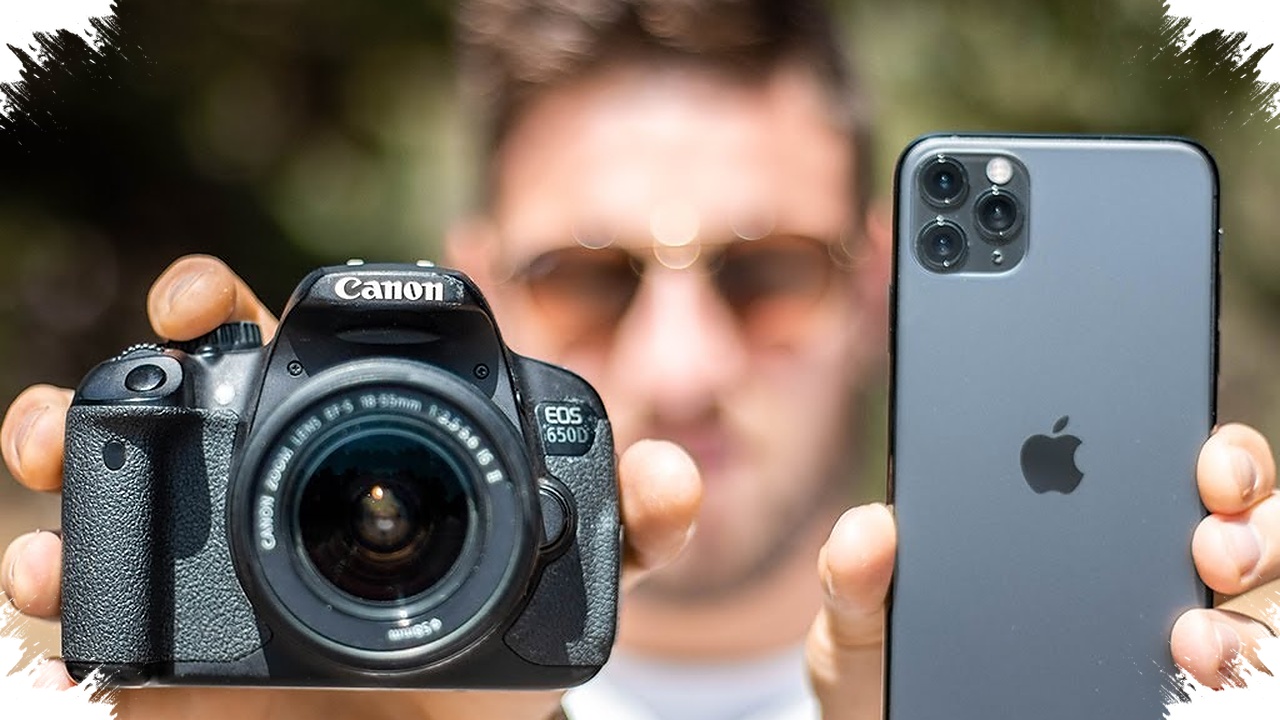
The appeal of the iPhone 11 often comes from how effortless it makes photography feel. It produces sharp-looking images, fits easily in a pocket, and delivers results that many users find impressive without needing a bag of gear or a long setup.
That convenience has led to a common misunderstanding: that a strong smartphone camera can fully stand in for a DSLR. The iPhone 11 is powerful for a phone, but the two devices are built for different priorities, and the technical gap still matters in demanding photography.
Why the iPhone 11 feels so capable
The iPhone 11 uses a dual 12MP camera system with wide and ultra-wide lenses. It also relies on Smart HDR, Night mode, and Portrait mode to help produce usable photos across different lighting conditions.
Its Neural Engine supports image processing as well, which helps photos look sharper and clearer. That software-driven approach gives the phone a polished visual output without requiring complex manual adjustments.
Ease of use is another major part of its appeal. The interface is designed to feel intuitive, so users can take good photos without learning many technical settings.
The phone also includes filters and effects that can be applied quickly. Editing can be done directly on the device without extra apps, which keeps the entire process fast and practical.
Where DSLR still holds a different class
A DSLR works through a reflex mirror system that directs light to the image sensor. That design supports very high image quality and gives users far more room for technical control.
The sensor in a DSLR is generally larger than the sensor in a phone camera. Combined with better lens quality, that larger sensor helps produce more detail and stronger image quality.
Manual controls are another major advantage. Users can adjust aperture, shutter speed, ISO, and white balance to match the shooting situation more precisely.
Interchangeable lenses also expand what a DSLR can do. Options such as wide, telephoto, and macro lenses make it more flexible for different types of photography.
Why the comparison is often misunderstood
Many people judge smartphone cameras and DSLRs only by whether both can produce attractive photos. That view ignores the fact that each one excels in different areas and serves different needs.
The iPhone 11 is clearly stronger in portability and convenience. Its compact size makes it much easier to carry than a larger and heavier DSLR.
Speed also works in the iPhone 11’s favor. Users can shoot quickly without adjusting many settings, while automatic features help deliver good results with minimal effort.
A DSLR, by contrast, is more suitable for users who understand photography and want deeper control. In scenes with strong contrast, its larger sensor often provides better sharpness, detail, and depth-of-field control.
Choosing based on purpose, not prestige
The better device is not determined by brand reputation alone. It depends on what the camera is meant to do and how much control the user expects from it.
The iPhone 11 is a strong choice for people who want good photos that are fast and practical, without extra equipment. A DSLR remains the stronger option for those who prioritize image quality, manual control, and lens flexibility.
As smartphone cameras continue to improve, the iPhone 11 can still compete closely in everyday use. Even so, the DSLR continues to maintain its edge in situations that demand more precision and more serious photographic control.