


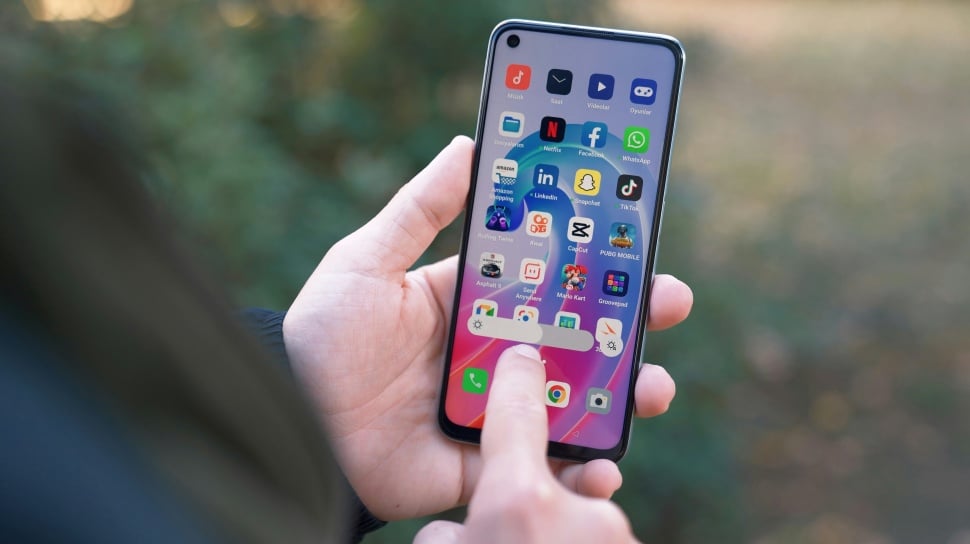
Android users are getting a more practical way to move files across ecosystems, and that shift is making budget smartphones feel more relevant at the same time. With Quick Share now enabling AirDrop integration on certain Android devices, file transfer between Android and iOS no longer depends on third-party apps.
That development matters most for people who regularly switch between Android and Apple devices. At the same time, Xiaomi remains active in the low-cost segment, where five of its cheapest phones for 2026 are said to start from around Rp1 million and still offer specifications considered suitable for everyday use.
Quick Share opens a simpler path for cross-device sharing
Quick Share has become the main feature behind this cross-ecosystem file sharing. It allows selected Android phones to send and receive data directly with iOS devices, making the process of transferring photos, files, and documents feel much more straightforward.
The integration is especially useful in mixed-device environments, where speed and convenience matter. Instead of relying on extra apps, users can handle transfers in a more direct way.
Reports on the feature mention 16 Android phones supporting it, with brands ranging from Samsung to OPPO. That wider support suggests the feature is not limited to a narrow group of users.
Budget phones still hold strong appeal
While file-sharing features are advancing, price remains a major factor in the smartphone market. Xiaomi continues to draw attention because its low-priced models are still seen as capable enough for daily routines.
The Redmi and Poco lines are the main names in the Rp1 million to Rp2 million range. These phones are positioned for basic communication, social media, video viewing, and other common app use.
One model that stands out in the discussion is the Redmi A7 Pro. Its presence reinforces the idea that affordable phones are no longer automatically limited in features.
Why these two trends are moving together
The interest in cheap phones and the push for easier file sharing point to the same user priority. Many buyers now want devices that stay affordable but still feel useful for everyday mobility.
That makes both categories more visible: practical Android devices with cross-platform sharing support, and low-cost Xiaomi phones that remain relevant for daily tasks. In both cases, value is being measured not only by price, but also by how smoothly the device fits into daily use.
Xiaomi is also preparing new models
Beyond its budget lineup, Xiaomi is also getting attention for three new devices teased for the market. The models named are Xiaomi 17 Max, Xiaomi 17T, and Xiaomi 17T Pro.
Xiaomi 17 Max is said to debut soon, followed by the two 17T models shortly after. Leica cameras and large batteries are the main attractions in that lineup.
This shows Xiaomi is working on two fronts at once. The company is still defending the affordable segment while also pushing higher-end devices with more premium features.
The broader digital market is also shifting
Outside the smartphone segment, Netflix is also preparing a subscription package with ads in Indonesia starting in 2027. The move is part of a global expansion that will bring lower-cost ad-supported plans to 15 new countries.
That option could appeal to users looking for a more affordable way to watch films and series. It also shows that Indonesia remains an important target for global digital services looking to widen access.