


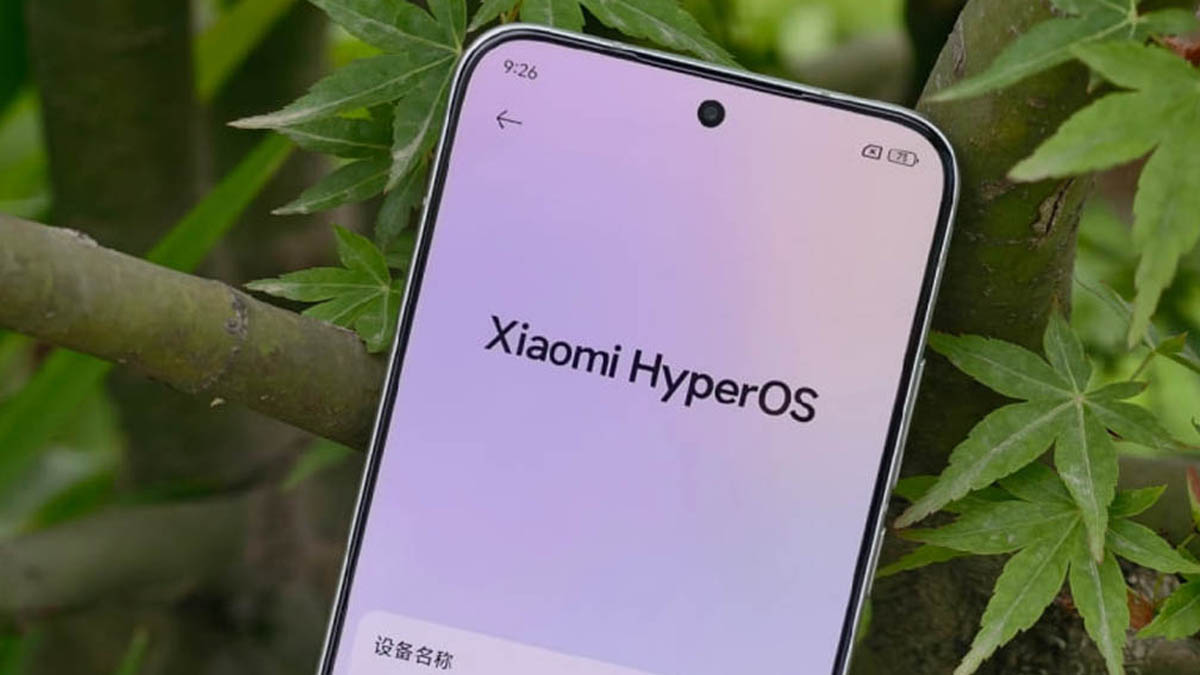
For many Xiaomi users, the main question is no longer what HyperOS 3.1 can do, but when it will actually arrive. The update is still rolling out unevenly, and that gap has pushed device owners to look for clearer answers about availability and the new features promised with it.
The situation has become a frequent topic in social media discussions and community forums. Many users say they have not yet received any update notification, even though HyperOS 3.1 has been anticipated for some time as a version that should bring new features and better system optimization.
A staggered rollout remains Xiaomi’s approach
Xiaomi is still using a phased distribution model for HyperOS 3.1. This method is common in software releases because it helps maintain stability before a wider launch reaches more devices.
Different models also require different system adjustments. That means optimization cannot be applied in the same way, or at the same time, across every device in the lineup.
As a result, the update does not reach all users at once. The approach may feel slow to those still waiting, but it also helps reduce the risk of bugs when the rollout expands further.
Flagship and newer devices usually move first
In most cases, flagship models and newer devices are given priority early in the rollout. Once the stabilization phase is considered safe, the update is then extended step by step to mid-range devices and other models.
That pattern is one reason many owners of older devices are facing a longer wait. The delay has led to more questions about which models will receive HyperOS 3.1 and when each one will get it.
Some popular devices are still waiting for the update, even though demand remains high. For users, software distribution is increasingly seen as part of the overall smartphone experience, not just a background technical process.
Users are waiting for a clearer device list
The lack of a confirmed device list has added to the frustration. Many users want Xiaomi to publish an official lineup showing which phones will get HyperOS 3.1, along with a clearer sense of timing.
That demand has grown as some users compare Xiaomi’s update pace with other brands. Such comparisons show that software support is now viewed as an important competitive factor in the smartphone market.
At the same time, not every user is asking for the fastest possible rollout. Some prefer a more stable release over an early update that may still contain issues.
New features are driving the interest
HyperOS 3.1 is drawing attention because it is said to improve performance and system stability. The version is also reported to offer better power efficiency, more organized performance management, and smoother system animations.
Multitasking is also expected to feel lighter thanks to more optimal memory handling. In addition, several artificial intelligence features are said to be expanded in the latest system version, which has increased interest in the update even further.
For many users, this is more than a routine software refresh. HyperOS 3.1 is being seen as part of Xiaomi’s effort to strengthen the system foundation so the overall experience feels more polished.
Stability concerns keep shaping expectations
Some users are still cautious because of the risk of bugs and performance drops. That concern is understandable, especially since earlier system updates have sometimes brought technical issues for part of the user base.
This is also why the phased rollout is still viewed as a safer move. Xiaomi can monitor software stability first before broadening the update to a much larger number of devices.
HyperOS itself remains an important part of Xiaomi’s strategy for building a connected device ecosystem. It is used not only on smartphones, but also to support other smart devices within the company’s ecosystem.
Because of that, attention around HyperOS 3.1 is not limited to phone updates alone. Many users are now waiting to see how far Xiaomi will extend the rollout and which new features will eventually arrive on their devices.