A smartwatch can do more than track steps or display notifications. When used consistently, it can also reveal patterns that help users notice changes in sleep, movement, heart rate, and stress before those signals become harder to ignore.
That everyday visibility is what makes the device useful for health monitoring. Small readings on the wrist can point to habits that are often overlooked, such as sleeping too late, sitting too long, or pushing the body without enough recovery.
Sleep patterns become easier to understand
Many people assume they have slept well simply because they spent enough hours in bed. A smartwatch gives a clearer picture by tracking sleep duration, nighttime awakenings, and the balance between light and deep sleep.
That information can help users spot whether the body is truly getting enough rest. When poor sleep continues for several days, energy levels can drop and mood can become less stable.
Long periods of inactivity are harder to ignore
Hours spent sitting at a desk or studying can pass without much movement. Smartwatches often respond with reminders to get up when activity has been too low for too long.
The prompt may seem simple, but it can break long stretches of sitting. A short walk, standing up, or doing light stretching can help the body feel fresher and support circulation throughout the day.
Heart rate trends add another layer of awareness
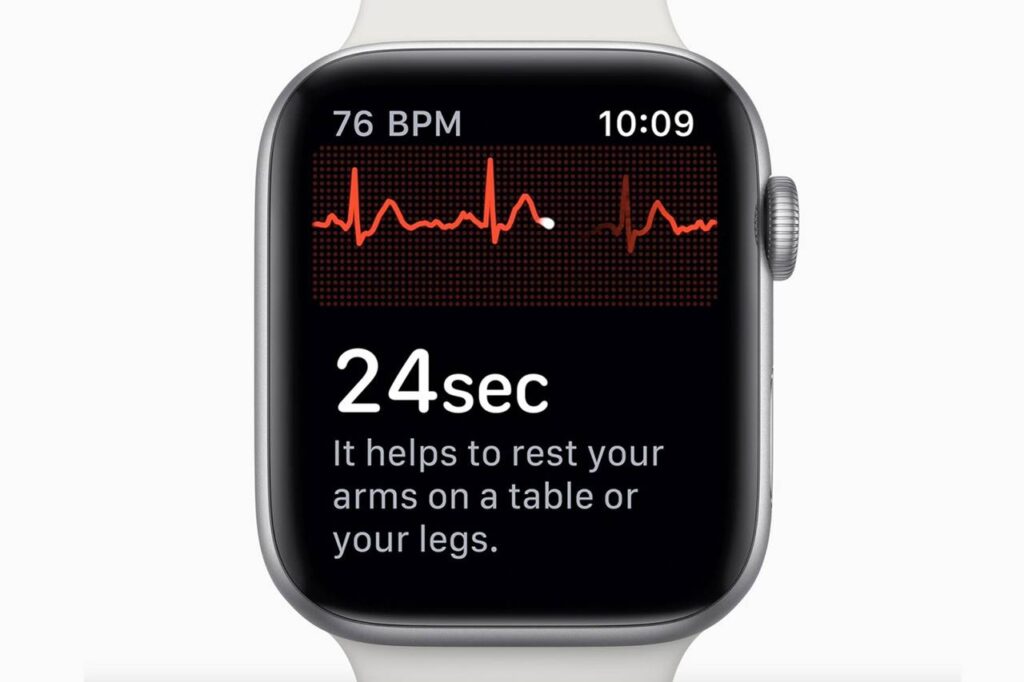
Continuous heart rate monitoring is one of the most practical health functions on a smartwatch. Changes in heart rate can reflect stress, fatigue, poor physical condition, or exercise.
Some devices also send alerts when the heart rate is unusually high or low in certain situations. That does not replace medical evaluation, but it can help users notice early signals that might otherwise be missed.
Exercise becomes easier to keep consistent
Starting an exercise habit is often easier than maintaining it. Smartwatches help by recording steps, calories burned, and workout duration, which gives users a simple way to follow their activity levels.
Seeing gradual progress can provide extra motivation to stay active. The data can also help users understand when the body feels overworked and when performance seems better.
Stress signals can appear earlier than expected
Stress is often recognized only after the body feels drained or emotions become harder to control. Some smartwatches try to detect stress through heart rate and activity patterns, giving users an earlier warning.
When those indicators rise, the device can encourage a break, calmer breathing, or a temporary reduction in pressure. It is not a perfect reading of emotion, but it can still serve as a useful reminder to pay attention to physical strain.
Used steadily, a smartwatch offers more than convenience on the wrist. It can help users connect daily habits with the body’s responses and make small health adjustments before fatigue, inactivity, or poor rest build up further.
Source: www.idntimes.com