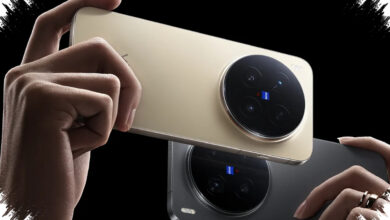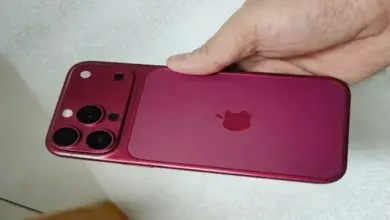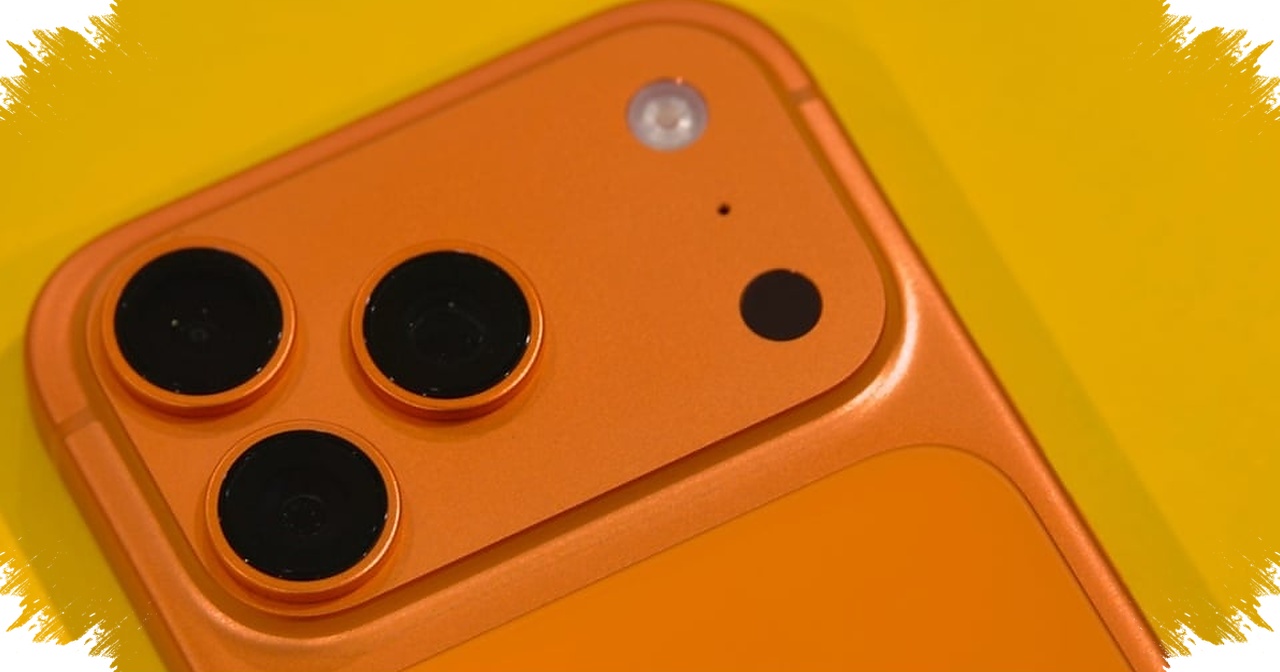
Apple’s next Pro iPhone may center on a camera change that photographers have wanted for years: a variable aperture on the main lens. For iPhone 18 Pro and iPhone 18 Pro Max, that shift would mark one of the most notable camera upgrades the lineup has seen in a long time.
The change is not only about image quality. It also comes with a cost warning, because the new camera part is expected to be significantly more expensive than the one used in the current generation.
A pricier main camera is at the center of the upgrade

Ming-Chi Kuo of TF International Securities says the variable-aperture lens for iPhone 18 Pro models is about 50% more expensive than the camera used in the current models. He also says the average selling price of the component is roughly 50% higher than the 7-element plastic lens used in the iPhone 17 Pro main camera.
That price jump explains why the feature is drawing so much attention. Apple is not just adding a new camera capability; it is also taking on a more expensive component at a time when costs are already under pressure from memory prices.
Why variable aperture matters
Variable aperture changes how much light reaches the sensor. In dark conditions, the opening can widen to capture more light. In bright scenes, it can narrow to reduce overexposure.
MacRumors says the feature may also improve control over depth of field. That means Apple could give users more flexibility in how sharp the subject looks against the background, compared with a camera that uses a fixed aperture.
The result would be a main camera that adapts more easily to changing light. That flexibility is especially relevant for night photography, where capturing enough light often determines how usable a shot becomes.
Cost pressure may shape Apple’s decision
The higher camera cost does not automatically mean the phone itself will become more expensive. Still, 9to5Mac notes that the situation arrives while memory costs are also rising, adding more pressure to Apple’s margins.
That makes the iPhone 18 Pro camera change more than a simple feature upgrade. It also becomes a test of how Apple balances premium hardware, production cost, and pricing discipline in its Pro lineup.
Supply chain changes are also expected
Sunny Optical is said to play a major role in the supply chain for this component. Kuo estimates the company will supply 40% to 50% of Apple’s orders for the related parts.
The company is also expected to benefit from another camera-related shift on iPhone 18 Pro. Apple is reportedly planning to change the ultra-wide-angle lens packaging from flip-chip to COB, or chip-on-board.
COB places the backplate of the chip directly onto the circuit board and connects it with ultra-thin wires. Kuo says this can make the ultra-wide-angle module thinner or smaller, creating room for other internal components.
If Apple keeps the same module size, image quality may improve instead. Sunny Optical is considered well positioned for this technology as well, which keeps it relevant across multiple parts of the iPhone 18 Pro camera system.
A costly idea that is not new in the industry
Apple would not be the first company to use variable aperture. Samsung introduced it on the Galaxy S9 and S10 in 2018 and 2019, then removed it in 2020 because of thickness and cost concerns.
That history shows the challenge Apple may face if it moves forward. Variable aperture offers more adaptable photography, but it also demands a more complex design and a more expensive build.
Outside iPhone, Sunny Optical is also listed as a supplier of compact camera modules for MacBook Neo. Kuo says shipments of MacBook Neo are better than expected, with production projected to rise from 5 million units to 10 million units in 2026.
The company is also said to have received orders for two OpenAI products, including a smartphone and a handheld device. Even so, the iPhone 18 Pro remains the main focus, because its camera changes may become one of the biggest updates in Apple’s next Pro generation.
Apple is expected to launch the iPhone 18 Pro series in September alongside the foldable iPhone. The standard iPhone 18 series is said to follow at the beginning of next year.