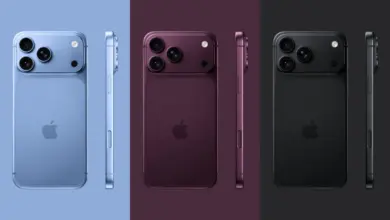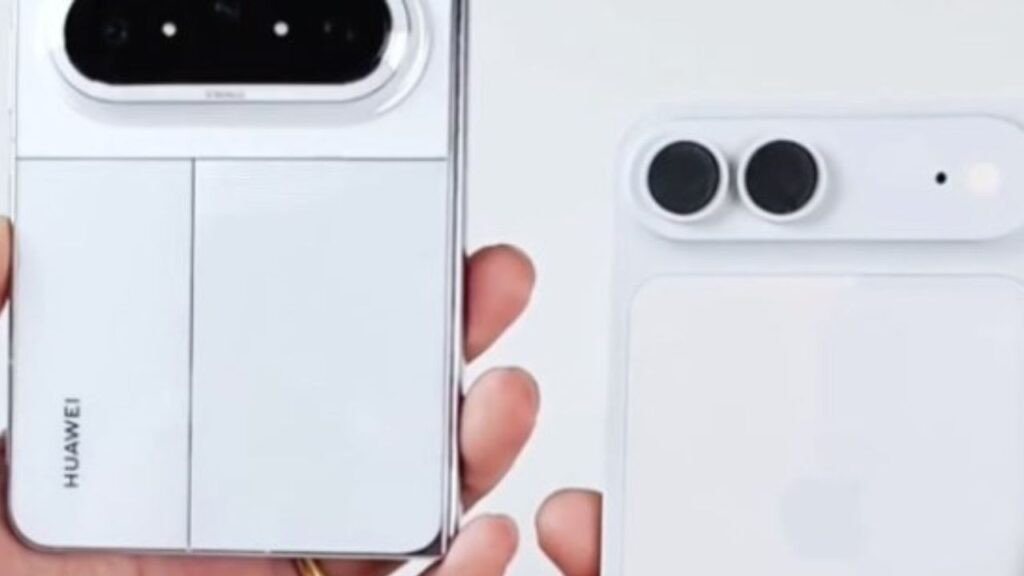
Apple’s next foldable is shaping up to be more than just a new form factor. The biggest attention-grabber is a rumored vapor chamber cooling system, a choice that suggests the company is treating heat control as a core part of the design rather than a secondary detail.
That focus matters because the device, temporarily referred to as iPhone Ultra, is said to be extremely thin when unfolded. In a body reportedly under 4 mm, thermal management becomes one of the hardest engineering problems, especially for a foldable that has to balance performance, durability, and limited internal space.
Cooling may become the defining feature
The vapor chamber detail comes from Fixed Focus Digital on Weibo, which described the device’s thermal setup as “quite impressive.” The same information points to Apple using the cooling system to keep temperatures steady during use, a critical point for a phone with very little room to dissipate heat.
The reported approach is notable because the vapor chamber is also said to debut in the iPhone 17 Pro series. If that plan holds, the foldable would become Apple’s first flexible device to inherit a large-scale heat management system of that kind.
For a device as slim as this one, the thermal challenge is not minor. Less internal space means less room for heat to spread, so performance can drop faster when temperatures rise too quickly.
Thinness appears to come with trade-offs
A design this ambitious usually requires compromise, and that seems to be the case here as well. Some features are reportedly likely to be left out, including MagSafe, Face ID, and a telephoto camera.
Those details have not been confirmed by Apple, but they indicate that the company may be prioritizing internal efficiency over a fuller feature set. The goal appears to be a foldable device that stays as slim as possible while still delivering the core experience Apple wants.
There is also an important distinction in the thickness claim. The reported sub-4 mm figure refers to the main body when unfolded, not the full rear camera module, which still has its own protrusion.
Hardware choices point to a more complex foldable
Alongside the cooling system, iPhone Ultra is also said to use a liquid metal hinge. That material is expected to improve durability and support a more precise folding mechanism.
Apple is also said to be working hard to reduce the visible crease on the display. That effort is likely to matter just as much as the hinge itself, since a less noticeable fold mark would make the device feel more refined when it reaches the market.
Taken together, the thin body, liquid metal hinge, and vapor chamber cooling system suggest a highly ambitious hardware package. Each element targets a different pain point for foldables: heat, hinge strength, and screen creasing.
Launch timing remains unconfirmed
Apple has not announced any fall 2026 launch plans yet. Even so, the current rumor pattern suggests the company may be preparing a separate rollout strategy for its next iPhone lineup.
In that scenario, the iPhone 18 Pro models are expected in September, while non-Pro versions would arrive early the following year. The foldable is then believed to be more likely positioned for a September release as well.
That timing would place the iPhone Ultra alongside Apple’s more premium offerings and give it a clear role as the company’s most experimental device in the lineup. The name itself is still only a temporary label used by leakers, and Apple has not confirmed the final branding.
For now, the cooling system remains the most intriguing part of the story. In a device this thin and this complex, keeping temperatures under control may be just as important as the foldable design itself.
Source: true-tech.net