Mobile gaming has reached a point where raw chip performance is no longer the only factor that shapes the experience. Long sessions can still be derailed by heat, fast battery drain, imprecise touch input, and audio that does not stay perfectly aligned with the action on screen.
That is why a few well-chosen accessories can make a smartphone feel much closer to a console. Each one addresses a common weakness in mobile play, and together they help keep performance, control, and endurance more consistent.
Physical controls still deliver the biggest change


Among all mobile gaming accessories, a split-style controller creates the most immediate shift in how a phone is used. For fast shooters and similar games, touch controls can limit both response speed and aiming precision, while physical controls give players a more direct way to react.
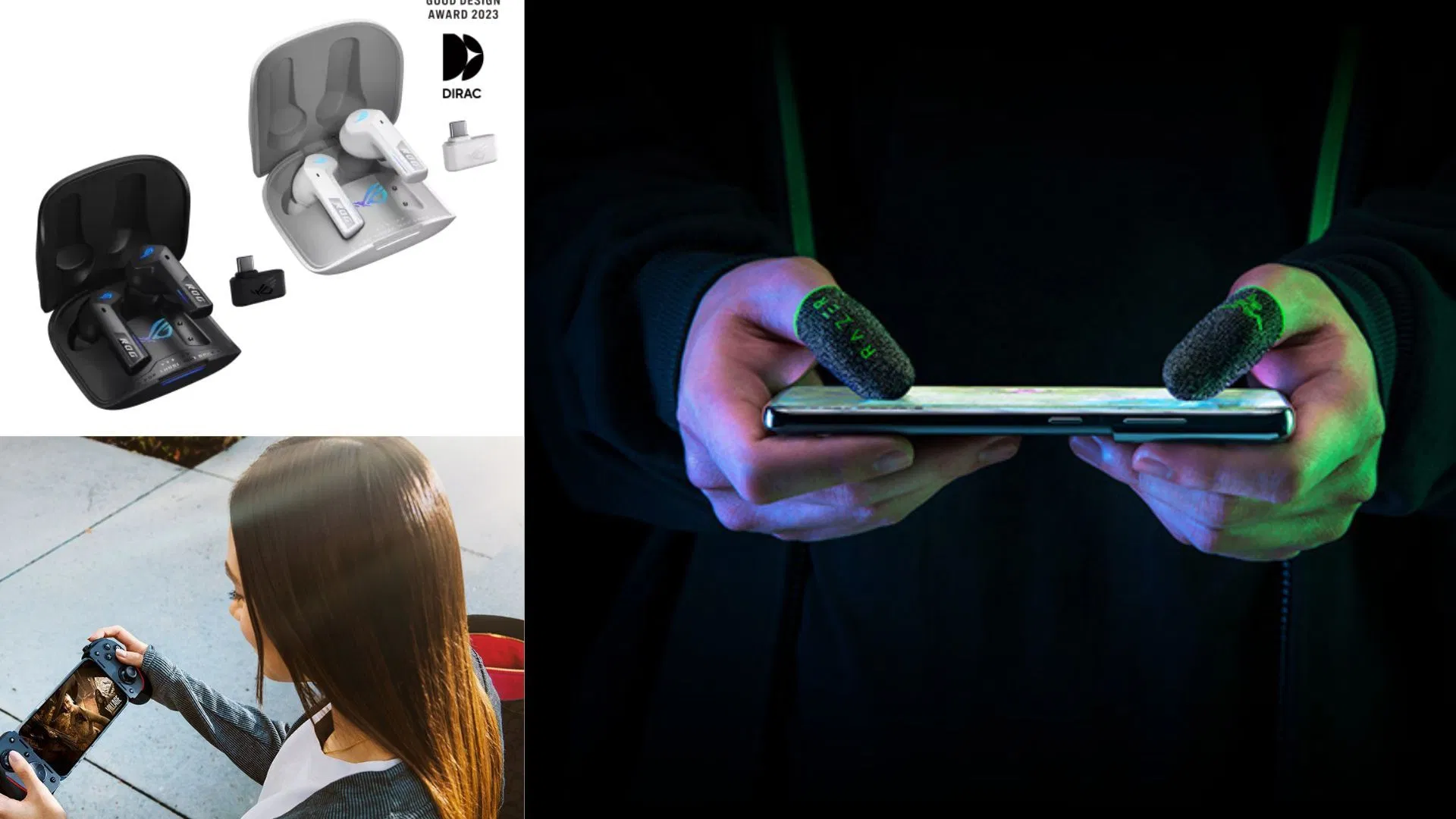
Many of these controllers connect through USB-C, which helps keep latency low without the delays often associated with wireless input. Higher-end models can also include hall-effect triggers, precise analog sticks, and mechanical tactile buttons that feel closer to modern console controllers.
The advantage is not only comfort. Physical feedback can reduce missed inputs during critical moments, which matters when every action decides the outcome of a match.
Heat management can decide whether performance stays steady
A powerful phone can still slow down if it gets too hot during demanding gameplay. Many devices still rely on passive heat dissipation, then reduce processor speed once temperatures climb high enough to protect the hardware.
That is where clip-on active coolers become useful. Mounted on the back of the phone, they pull heat away from the device body, and some models use Peltier cooling plates to lower the external temperature quickly in seconds.
Lower temperatures give the processor a better chance to hold peak clock speeds for longer. The practical result is a steadier frame rate and a more consistent experience over extended sessions.
Audio matters more than many players expect
Clear visuals are not enough if the sound arrives late. In competitive multiplayer games, footsteps and gunfire can provide the clues needed to make a fast decision, so even a small delay between what is seen and what is heard can become distracting.
Ordinary wireless earbuds may be fine for music, but their compression can introduce a noticeable gap during play. Gaming earbuds with ultra-low-latency modes are designed to reduce that issue and can bring wireless transfer delay below 40 milliseconds.
Some models also include active noise cancellation. That helps cut down surrounding noise so attention stays on the match instead of the environment around it.
Power accessories need to do more than charge
Heavy games drain batteries quickly and put the system under constant load. A regular power bank can refill a phone, but charging while playing can also raise internal heat.
For gaming setups, high-output power banks with pass-through charging and smart power distribution are more suitable. This kind of setup helps keep the phone powered without placing unnecessary stress on the internal battery cells.
In many modern setups, a separate connection or hub can also route external power directly into the phone’s system architecture. That reduces the need to recharge the battery during play and helps limit extra heat, which is especially useful in long sessions.
Small accessories still have a place for touch-only players
Not every player wants to switch to a physical controller. Some battle royale players still prefer full touchscreen control, but sweaty or oily fingers can make the glass surface harder to manage.
That is where gaming finger sleeves help. These conductive sleeves are made with silver fiber material and are designed to move smoothly over a screen protector while keeping friction low.
They also help absorb sweat and allow the capacitive screen to read small movements accurately. For players who rely entirely on touch, this small accessory can make a larger difference than its size suggests.
Source: tech.sportskeeda.com