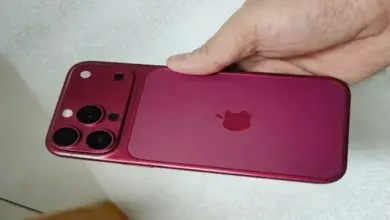
The next phase of the iPhone story may be defined less by routine upgrades than by structural changes. Apple is now being linked to a possible leap past iPhone 19, a redesigned premium camera system, a more ambitious security layer, and continued work on folded and underwater-related technologies.
A possible jump to iPhone 20
One of the most attention-grabbing rumors suggests Apple may skip straight to iPhone 20 to mark 20 years of iPhone. That move would echo the company’s decision to move from iPhone 8 to iPhone X rather than follow a simple numbering pattern.


The device said to carry that name is expected to move away from the flat-edge look that has defined recent iPhone generations. Reports describe a curved display blending into a glossy frame, creating a near bezel-less appearance that would represent one of the biggest physical redesigns in years. The same rumor also points to an A21 chip as the device’s main engine, although other technical details remain unclear.
Camera hardware may change in a more mechanical way
Another major shift is being associated with iPhone 18 Pro, where a variable aperture system is said to be under consideration. Unlike a software-only camera update, this would involve a mechanical change to the lens itself.
The reported upgrade could push lens production costs up by as much as 50 percent compared with current designs. That kind of increase suggests a more complex camera module, but also one that may offer greater control over low-light performance and depth effects by adjusting how much light reaches the sensor.
Foldable iPhone work still faces pressure
Apple’s foldable iPhone plans have also returned to the center of speculation, but the latest chatter does not point to a smooth production path. The device is said to be running into manufacturing issues that may delay an early launch timeline.
The problem is described as happening before full assembly, with yield challenges affecting the process. Some reports focus on surface mount technology in the pre-assembly stage, where tiny parts are placed onto flexible circuit boards, while others point to PCB manufacturing as the main bottleneck instead of the hinge.
There are also claims that the hinge must endure high-frequency stress testing, which could add another layer of difficulty. Apple’s strict quality standards mean even a small disruption early in production can ripple through the rest of the schedule.
Security features may aim at street theft
Beyond new devices, Apple is also being linked to a security feature designed for situations where a phone is taken by force. Internal code strings reportedly point to a system that can automatically lock the screen when a snatch-and-grab event is detected.
The mechanism is said to combine motion sensors, location awareness, and signals from nearby devices in the Apple ecosystem. If the accelerometer detects a sudden jolt while the user is outside the home, the lock protocol can activate.
Once triggered, the feature would restrict access to sensitive areas such as banking apps, saved passwords, and Apple Account payment information. The goal appears to be limiting exposure after a street robbery, especially in crowded areas where such incidents are more likely.
Underwater photography and chip sourcing are also in the frame
Apple’s patent activity adds another layer to the picture. A new filing reportedly covers underwater photography using a hemispherical freeform optical barrier placed over the lens as a single piece, without joints or glue, to reduce leakage risk.
That design is said to reduce the visual distortion often seen with conventional underwater cases. Because it would likely be too thick for a permanent place on a regular phone body, the concept seems more suited to a slim official accessory.
At the supply-chain level, Apple is also said to be testing iPhone chip production at Intel’s factories using the 18A process. TSMC is still expected to handle more than 90 percent of premium processor production, but the move suggests Apple wants more than one manufacturing path.
That kind of diversification matters as global factory capacity comes under pressure from rising AI demand. For Intel, winning even part of Apple’s business could strengthen its foundry position, provided it can meet Apple’s production standards.
Source: tech.sportskeeda.com