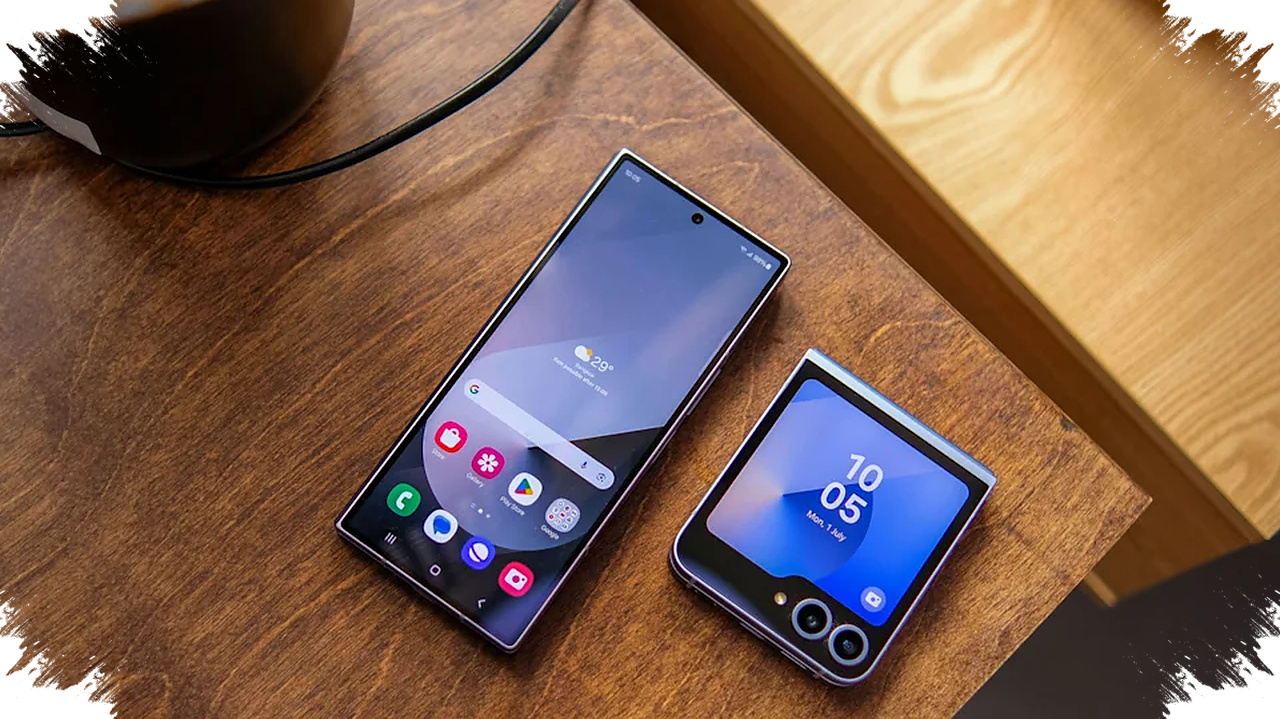
Foldable Android phones may look like the most advanced devices on the market, but their real lifespan is still being judged by a much harsher standard than regular smartphones. Many owners see two to three years as the practical limit, and the biggest concern continues to center on the inner display and the hinge.
That impression comes from the nature of the design itself. Unlike conventional phones with a simpler body structure, foldables rely on a moving open-and-close mechanism that works every day, and that added complexity makes durability harder to preserve over time.
The inner screen remains the main weak point
The most serious complaints around foldables still involve the folding display. The inner panel usually uses ultra-thin glass and a screen protector instead of the tougher glass found on standard smartphones, which leaves it more exposed to damage.
User discussions often mention more than just cracks. Reported issues also include peeling screen protectors and problems with the inner display’s function, making screen damage one of the most disruptive failures a foldable owner can face.
On Reddit, a user named Jerky_san described the Galaxy Z Fold as “incredible, but not for everyone.” That user pointed to experience with the Fold 3 and Fold 4, including a cracked screen without a drop and Bluetooth and Wi-Fi issues.
Not every owner gets the same result
At the same time, some users say newer foldables feel far more dependable. One owner, Vlaun, said a Fold 5 had been used for nearly two years and still felt “rock solid.”
Another user, bgf2414, said a Fold 5 kept working even in a construction environment. The device was reportedly dropped several times onto concrete, mud, and water holes, yet remained usable.
Still, positive experiences do not erase the risks that come with the format. User zorbyss reported that the inner screen protector on a Fold 5 began peeling after about 18 months, followed later by a small crack.
Durability is improving, but the limit has not disappeared
Manufacturers have made durability a major selling point for newer foldables. Samsung, Google, Motorola, Honor, and other brands now highlight toughness claims on their latest models.
Some devices, such as the Pixel 10 Pro Fold and Honor Magic V6, offer water and dust resistance. The Galaxy Z Fold 7 is also said to use a folding panel rated for up to 500,000 folds, which is 2.5 times higher than its predecessor and described as in line with competitors in the foldable class.
Stronger metal frames and more resistant protective glass on the outer display also make newer generations look better suited to daily use. Even so, the foldable category still has a clear stress point that traditional phones do not face to the same degree.
Signs of failure often appear after the first year
A durability survey discussed by a Reddit user named Macusercom showed an interesting pattern across the Galaxy Z Fold line through the Fold 6. In that analysis, the Fold 5 and Fold 6 were judged much more reliable than the third and fourth generations.
The same discussion suggested that serious damage such as cracks, peeling, and breakage tends to appear after the first year. The peak was said to be around two years, which helps explain why many users still see foldable Android phones as having a shorter practical life than regular smartphones.
One internal warning sign also drew attention: the inner display no longer opening completely flat. That symptom is often treated as an early signal that the folding mechanism is starting to struggle.
Extra protection remains a major part of ownership
Because foldables are expensive and still carry higher risk, many owners view additional protection as necessary rather than optional. Samsung Care+ has been praised by users for offering free screen protector replacement or full inner screen replacement for $29.
Competition is also pushing durability higher across the market. Honor’s Magic V6, for example, was announced with what is described as the strongest commercially available steel hinge.
That trend shows how quickly foldables are evolving, but it also reinforces the same central issue. The inner display remains the critical component that most strongly determines how long a foldable can last in real-world use.
-
-
-
-