The budget smartphone segment is getting more aggressive than usual, and price pressure from global components is part of the reason. RAM and chipset costs have pushed many brands to raise prices, yet several models in the Rp2 million class still look unusually strong on paper.
What stands out most is how far features like curved displays, 144Hz refresh rates, and even 7,000 mAh batteries have moved down the market. In the middle of that shift, a few phones now offer specifications that would have been far more common in a higher tier not long ago.
Curved screens are no longer rare in this class
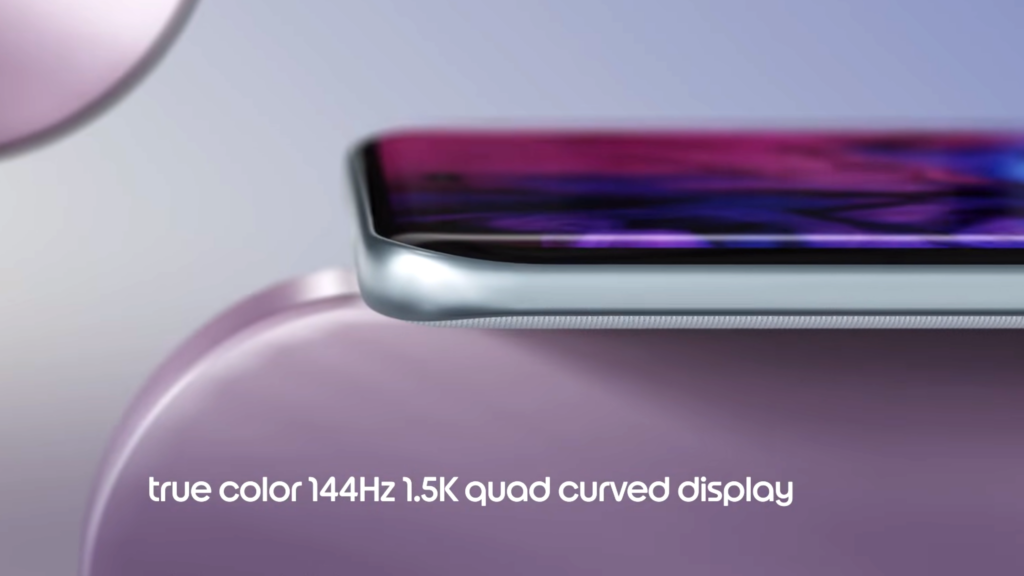
Redmi Note 15 4G is one of the clearest examples of that shift. It brings an AMOLED panel with a curved display design to a more affordable segment, along with a peak brightness of 3,000 nits for easier outdoor viewing.
The phone also focuses on imaging for everyday use. It carries a 108 MP main camera and a 20 MP front camera, making it a more complete option for users who care about detail in photos and video calls.
144Hz is spreading beyond premium phones
Infinix Hot 60 Pro and Infinix Hot 60 Pro Plus add more pressure to the competition with AMOLED 144Hz displays. The Hot 60 Pro uses a 6.78-inch panel, while the Hot 60 Pro Plus comes with a curved AMOLED 144Hz screen and a screen-to-body ratio of 93.4 percent.
The Hot 60 Pro Plus is also notable for its slim build. It measures 5.95 mm thick and weighs 155 grams, which makes it one of the more design-focused devices in this price zone.
The regular Hot 60 Pro leans more toward practical features. It includes a 5,160 mAh battery, 45W fast charging, NFC, an in-display fingerprint sensor, and an IP64 rating.
Battery life becomes the main weapon
Motorola G57 Power takes a different route by focusing on endurance. Its 7,000 mAh battery is claimed to last up to two full days under normal use, which makes it attractive for users who prioritize long runtime over other considerations.
The hardware package is also solid for the class. Motorola pairs the battery with Snapdragon 6 Gen 4, 8 GB of RAM, and 256 GB of storage, while the main camera uses a 50 MP Sony Lytia sensor.
Durability is part of the appeal as well. The device carries MIL-STD-810H military standard certification, which adds another layer of strength to its positioning.
Other models still keep the race close
Tecno Spark 40 Pro remains competitive with a 6.6 mm body and a 6.78-inch AMOLED display with 1.5K resolution. It uses Helio G1 Ultimate, comes with 8 GB of RAM, and has a 50 MP main camera.
However, the phone does not include OIS or EIS for 1080p 60 FPS video, which places it in a more balanced rather than fully camera-focused position. That makes it a strong display and design option, but not the most feature-heavy one in the group.
Redmi Note 13 5G is still relevant as well. It offers Dimensity 6080 5G, 8 GB LPDDR4X RAM, and 256 GB UFS 2.2 storage, along with a 120Hz AMOLED display protected by Gorilla Glass 5.
Its weaknesses are clearer in comparison. The speaker is still mono, and software support is said to stop at Android 15, which limits its long-term appeal even if the core hardware remains competitive.
Prices stay unusually restrained
All six devices sit in a narrow range around Rp2.5 million to Rp2.6 million. Infinix Hot 60 Pro, Tecno Spark 40 Pro, and Motorola G57 Power are all offered at around Rp2.5 million, while Redmi Note 15 4G and Infinix Hot 60 Pro Plus are positioned at around Rp2.5 million to Rp2.6 million.
Redmi Note 13 5G is priced at around Rp2.6 million. At a time when the market is leaning upward, this group of phones makes the Rp2 million class look far more generous than expected.