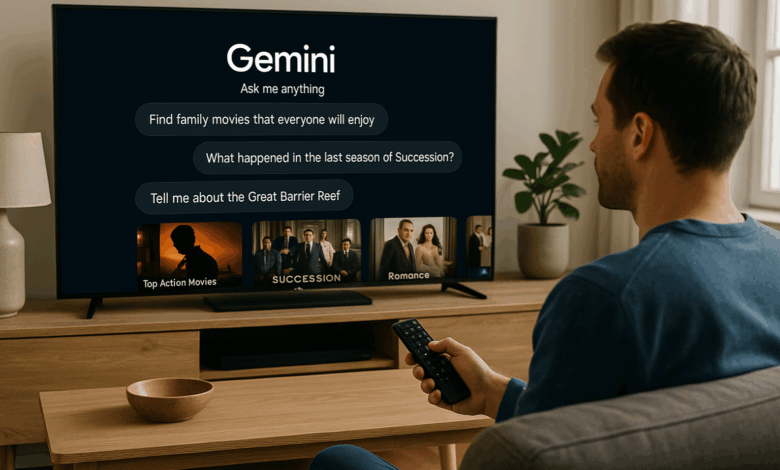
Smart TV is no longer being judged only by screen size or picture quality. AI is pushing the category toward something more practical: a television that can respond to what is playing, how the room is used, and what the viewer needs at that moment.
That shift is changing what consumers expect from a new TV. Harry Lee, President of Samsung Electronics Indonesia, said AI has altered those expectations, because buyers now look beyond high specifications and want an experience that feels seamless in everyday use.
AI makes viewing feel more personal
The most visible change is happening in picture and sound adjustment. AI can identify the type of content on screen and then optimize the visual and audio output in real time.
When the TV detects a movie, sports match, or game, it can adjust color, image detail, contrast, and sound to match the content. That means users do not need to move through many settings menus to get a tailored result.
Sports are one of the clearest examples of this approach. In a football match, AI can sharpen player movement, make the pitch look more vivid, and clarify commentary so the broadcast feels more immersive.
This kind of personalization shows that smart TV innovation is becoming less about complex controls and more about automatic behavior. The value is strongest when the technology works quietly in the background and makes the device feel aware of the situation.
The TV is also moving into the smart home
The role of Smart TV is expanding as home devices become more connected. Televisions can now link with smart lights, security cameras, air conditioners, and other IoT devices in the house.
That connectivity is turning the TV into an intelligent companion rather than a stand-alone entertainment screen. It now sits closer to the center of family digital activity, where entertainment, device control, and daily comfort meet.
This matters because modern homes increasingly rely on devices that communicate with one another. In that environment, the television is becoming part of a broader connected lifestyle, not just a tool for watching content.
Design, security, and software are gaining importance
As smart TVs become more integrated into the home, their design is also changing. Premium models are being built to blend more naturally with modern interiors through thinner profiles, minimal bezels, and a look that resembles artwork when the screen is off.
That evolution reflects a broader lifestyle shift. Buyers are not only evaluating what appears on the screen, but also how the device looks inside a living room or family space.
Security is also becoming more important as TVs connect to the internet and other devices. Modern Smart TV models are starting to include dedicated protection systems to help safeguard user data and digital activities at home.
Software support is another factor that now weighs more heavily in purchase decisions. Long-term operating system updates are considered important because they help keep the device relevant and allow it to receive new features without being replaced too often.
The industry direction is clear: resolution and screen size still matter, but AI-driven usefulness is taking a larger role in what consumers value. Smart TV is increasingly being positioned as a device that understands habits, offers more personal recommendations, and supports everyday life at home.
Source: inet.detik.com