Choosing a midrange phone for cinematic video is no longer just about chasing the highest camera resolution. In the Rp3 million to Rp8 million range, several models now offer OIS, 4K recording, capable sensors, and color processing that can make short-form clips and vlogs look more polished.
For TikTok creators, Instagram Reels users, YouTube Shorts makers, and beginner vloggers, stable footage and pleasing color often matter more than raw specifications. That is why a handful of midrange phones stand out for combining stabilization, dynamic range, and more mature color rendering.
1. Xiaomi 14T
Xiaomi 14T is one of the strongest options for users focused on cinematic video production. It carries a 50MP main camera with a Sony IMX906 sensor and Leica lens, supported by a 50MP telephoto camera and a 12MP ultrawide camera.
Its video recording reaches 4K 60fps, which delivers smoother motion than 4K 30fps. Many users also consider the Leica color signature a major advantage because it gives footage a more cinematic feel with less editing.
OPPO Reno12 Pro 5G offers a camera setup that is well suited to videography because it does not rely only on the 50MP main camera with OIS. It also includes an 8MP ultrawide camera and a 50MP telephoto camera, giving creators more flexibility in framing and perspective.
The telephoto lens helps produce a more dramatic look, while 4K recording on both the front and rear cameras makes it practical for vlogs and cinematic selfies. OPPO’s color style is known to feel natural and friendly for social media use.
Samsung Galaxy A56 5G is aimed at users who want stable video and consistent color reproduction. Its rear camera system consists of a 50MP main camera with OIS, a 12MP ultrawide camera, and a 5MP macro camera.
Video recording supports up to 4K 30fps on both the front and rear cameras. Samsung’s strength lies in its uniform color processing, which helps results from different lenses and shooting conditions look cleaner and more consistent.
4. Realme GT 6 Pro
Realme GT 6 Pro stands out through flagship-class performance that supports high-resolution video recording and smoother editing. Its powerful chipset helps stabilization, rendering, and video editing run more smoothly.
The main camera also supports OIS, which helps keep footage stable during walking shots and handheld cinematic scenes. This makes it attractive for users who want both recording power and fast post-production on the phone.
5. Vivo V50 Lite 4G
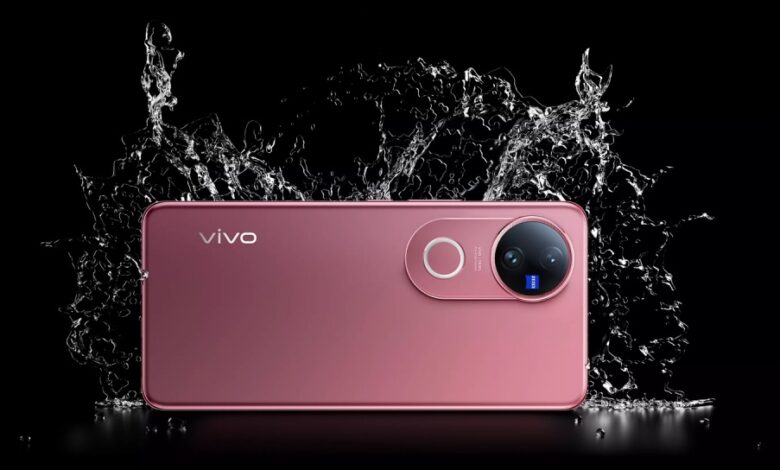
For buyers with a tighter budget, Vivo V50 Lite 4G can serve as an entry point into cinematic video creation. Its camera specification is not as aggressive as some rivals on this list, but Vivo is known for stabilization algorithms and color reproduction that work well for social media content.
That makes it suitable for beginners who want to learn cinematic video without spending too much. The 8GB/256GB variant is priced at Rp3,299,000 to Rp3,799,000.
If the main priority is dramatic color and a more professional look straight out of the camera, Xiaomi 14T is the most notable option. OPPO Reno12 Pro 5G and Samsung Galaxy A56 5G, meanwhile, offer different strengths through lens flexibility, color consistency, and everyday shooting convenience.
Across this price segment, the most important decision is not only about camera resolution but also about how stable the footage feels and how much editing it needs afterward. That combination is what separates a phone that simply records video from one that can support a more cinematic result.