Google has released the stable version of Wear OS 7 alongside Android 17, and the update does more than refresh the software on select Pixel Watch models. It also sets the stage for Samsung’s next Galaxy Watch software through One UI 9 Watch.
The change matters because Wear OS 7 is positioned as a major platform update rather than a routine patch. It introduces a redesigned interface, smarter Gemini support, tighter Android XR integration, and several features that could reshape how smartwatches are used day to day.
Gemini becomes more capable on the wrist
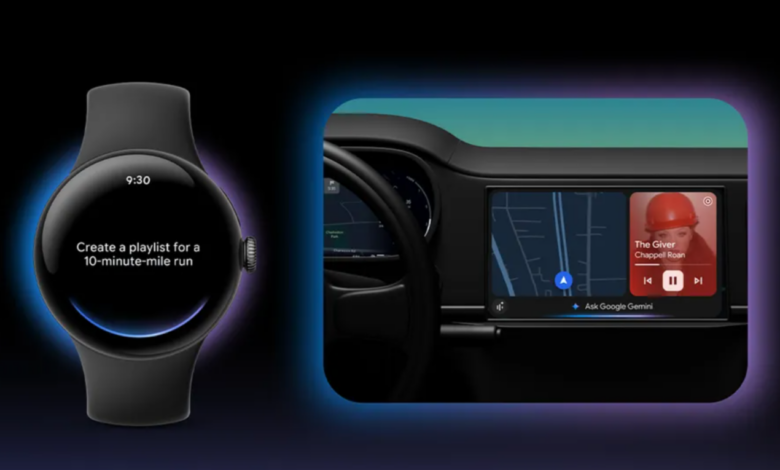
Google is placing artificial intelligence at the center of the update. On Wear OS 7, Gemini is no longer limited to simple assistance and can handle multi-step automation to complete tasks on behalf of the user.
That means the smartwatch can go beyond quick replies and basic voice commands. Google’s examples include ordering food from a favorite restaurant and booking movie tickets directly from the watch.
The platform also adds Create Your Widget, a Gemini-powered feature that lets users build custom widgets by describing what they need in natural language. The result is a more practical approach to personalization, since the system can help generate a widget instead of requiring manual setup from scratch.
Live Updates bring real-time information to the watch
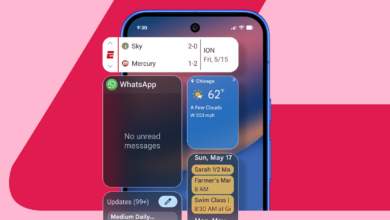
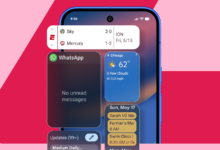
One of the most useful additions for daily use is Live Updates, which Google first introduced on Android 16 and is now bringing to Wear OS 7. The feature lets users monitor ongoing events in real time from the wrist.
Examples include ride-hailing arrival times, food delivery status, and live sports scores. Support will still depend heavily on how many third-party apps adopt the feature, but it gives the smartwatch a more direct role in surfacing time-sensitive information.
For Samsung users, that capability is expected to connect with the Now Bar in One UI 9 Watch. If that integration arrives as planned, Galaxy Watch owners could see a more distinct presentation layer when the update reaches their devices.
More control over connected devices
Wear OS 7 also broadens what can be controlled from the watch itself. Users can manage media playback on wireless earbuds, speakers, and TVs without reaching for their phone first.
Google is also adding the Media Output Switcher to the platform. It makes it easier to move audio from one device to another, reinforcing the idea that the smartwatch is becoming a faster control hub for nearby devices.
This direction extends beyond simple notifications. The watch is being shaped into a central point for quick actions across a user’s connected ecosystem.
Built for Android XR and a broader device ecosystem
The update also points toward Google’s wider device strategy, especially Android XR. A Wear OS 7 smartwatch can display images captured by smart glasses based on Android XR, creating a more connected experience across wearables.
Google and Samsung have already announced their first smart glasses partnerships with Gentle Monster and Warby Parker. Those devices are expected to benefit from the cross-device features included in Wear OS 7.
That makes the smartwatch more important than a simple accessory. It becomes a bridge between a phone, other wearables, and the next wave of XR hardware.
New design and longer battery life
Alongside the feature changes, Wear OS 7 arrives with an updated user interface design. Google has not spelled out every visual detail, but the refresh is part of a broader push to modernize its wearable platform.
Battery life also gets a modest improvement. Google says smartwatches running Wear OS 7 can last up to 10% longer on a single charge than those on Wear OS 6, which could translate into a noticeable but moderate gain for users.
For Samsung, the same platform shift is expected to surface through One UI 9 Watch. The software is tipped to debut with the Galaxy Watch 9 series and Galaxy Watch Ultra 2 in July 2026, alongside One UI 9 on the Galaxy Z Flip 8 and Galaxy Z Fold 8.
After that, One UI 9 Watch is expected to expand to other compatible Galaxy Watch models in the third or fourth quarter of that year. With Wear OS 7 now official, the foundation is in place for a new generation of smartwatch experiences across the Android wearable ecosystem.