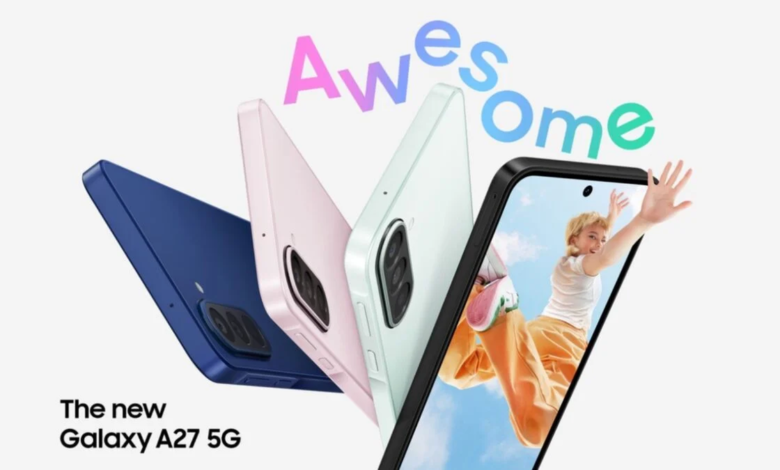
The Redmi 15 and Samsung Galaxy A27 sit in the same broad midrange conversation, but they do not aim at the same buyer. One is built to win on raw value, while the other asks for more money in exchange for a noticeably more complete experience.
That gap matters because the price difference is not small. Redmi 15 is priced at around $150 or ₹15,000, while Galaxy A27 sits near $260 or ₹22,000, leaving a gap of about ₹7,000 that needs real justification.
Why Redmi 15 looks compelling
For buyers who care most about keeping spending low, Redmi 15 has a straightforward pitch. It combines a 144Hz display, a 7000mAh battery, 33W charging, and what the source describes as a modern Snapdragon chipset for the price class.
That mix makes it easy to understand why the phone stands out in its segment. The huge battery is especially important, since 7000mAh remains a major draw for users who want long endurance without moving up to a more expensive device.
In practice, Redmi 15 is positioned as a cost-efficient phone for daily tasks. It is aimed at users who want a capable device for communication, streaming, and social media without paying for extras they may never use.
Where Galaxy A27 separates itself
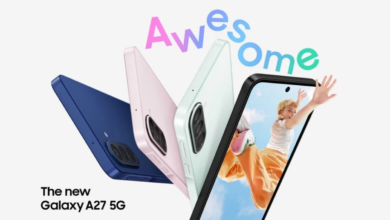
Samsung does not simply ask for a higher price and offer a cosmetic refresh. Galaxy A27 is described as bringing more substantial upgrades, including an AMOLED display, a stronger chipset, improved cameras, OIS, Samsung DeX, and six years of major operating system updates.
That combination changes the way the phone is positioned. Galaxy A27 is not only about looking better on paper at launch, but also about serving users who expect longer software support and a more premium overall setup.
The AMOLED panel is one of the clearest differences in everyday use. It is generally considered a more premium display choice than a screen that relies mainly on a high refresh rate to stand out.
Performance also gets a meaningful step up, thanks to the stronger chipset. For users who want steadier responsiveness rather than just enough power for basic tasks, that upgrade can matter more than headline specifications alone.
Camera quality is another area where Samsung appears to pull ahead. The inclusion of OIS and a better camera setup suggests a stronger focus on more consistent photo and video results.
Samsung DeX adds another layer that many phones in this price range do not offer. It gives Galaxy A27 extra flexibility for users who want their phone to do more than the standard smartphone job.
Value or longer-term comfort
The comparison becomes simpler when the buyer’s priorities are clear. Redmi 15 is the more aggressive value pick, especially for anyone who wants the biggest possible spec sheet at the lowest possible price.
Galaxy A27 makes more sense for buyers who are willing to pay extra for camera quality, stronger performance, premium display hardware, DeX, and longer software support. The six years of major OS updates may be the most compelling long-term argument in Samsung’s favor.
That is why the price gap feels more meaningful than it first appears. Redmi 15 wins on affordability and battery-first appeal, while Galaxy A27 tries to justify its higher cost through a better-rounded experience that should remain relevant for longer.
It is also worth noting that the prices mentioned are approximate and can vary by country, region, launch timing, and applicable taxes. Buyers should also confirm whether the model they are considering is the China version or a global or international variant before making a purchase decision.