


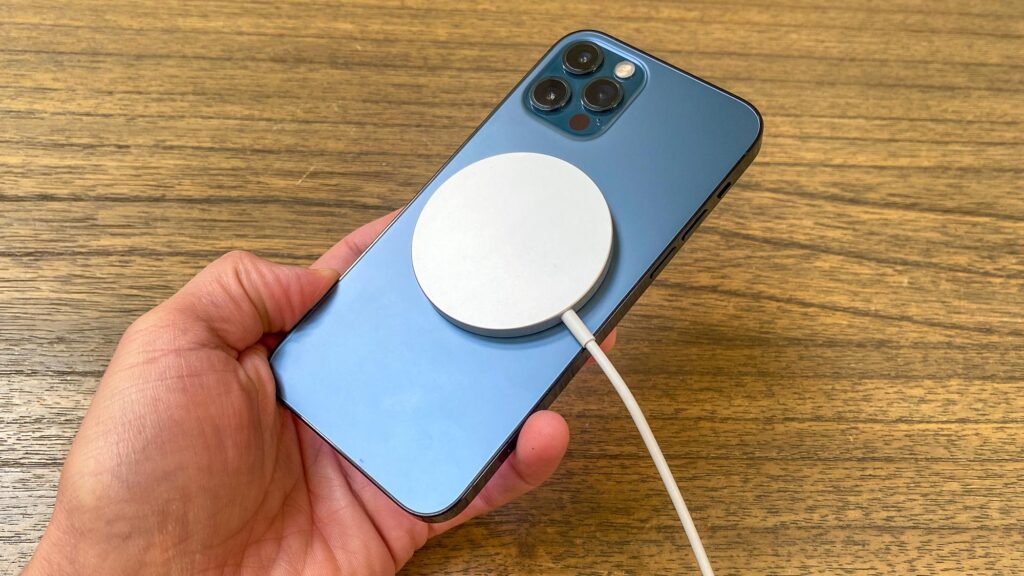
MagSafe has become one of the most appealing features in the iPhone ecosystem because it does more than charge a device. Its magnetic system also opens the door to a wide range of accessories that make daily use feel more flexible and efficient.
At its core, MagSafe relies on precise magnetic alignment between Apple devices and compatible accessories. That simple design helps devices connect more easily, whether the goal is charging or attaching extra hardware.
What MagSafe Actually Does
MagSafe is Apple’s wireless power technology supported by magnets. A compatible device can simply be placed against an accessory or charger, and charging starts automatically.
The system first appeared in 2006 on the MacBook Pro before Apple brought it to the iPhone 12 series in 2020. On iPhone, it uses a magnetic ring around the wireless charging coil to keep accessories in position.
That magnetic ring is the key component that gives MagSafe its stable attachment. It allows accessories to lock into place on the back of the device with much less effort.
Why the Accessory Ecosystem Matters
Charging remains the main use case, but MagSafe is designed for much more than that. CNET notes that it supports power banks, phone stands, magnetic wallets, phone grips, car mounts, and charging stations.
Those options make the system useful in different settings, from a desk setup to travel use. The result is a cleaner experience because accessories attach directly without repeated cable connections.
The Trade-Offs Behind the Convenience
The convenience comes with limitations. Anker says MagSafe charging is generally slower than wired charging, which remains the faster option for users who need speed.
On iPhone, MagSafe delivers around 15-30 watts, while wired charging can reach up to 40 watts. The price of MagSafe chargers is also relatively high, which adds another barrier for some buyers.
Not Every Apple Device Supports It
MagSafe is closely associated with Apple, but it is not available across the entire lineup. Only the iPhone 12 series and newer support it because the magnetic system is built in.
The iPhone 11, iPhone X, and earlier models still support wireless charging, but they do not have the magnetic hardware needed for MagSafe. That means they cannot take advantage of the system’s snap-on accessory behavior.
MacBook also had MagSafe in its early generations, but newer MacBook models no longer include it. Apple moved away from it there because it was considered less safe and less suitable for that device category.
MagSafe remains one of Apple’s most distinctive features because it combines charging with accessory flexibility. It makes the iPhone easier to power up, while also making the back of the device more useful for everyday add-ons.