


At the $1,000 flagship level, the iPhone 17 Pro is no longer the only phone that can justify premium money. A newer group of Android rivals now pushes harder on battery size, charging speed, and camera flexibility, giving buyers more reasons to look beyond Apple.
The contrast is especially clear because several of these models are not trying to imitate the iPhone formula. Instead, they lean into hardware advantages that feel more aggressive on paper, from giant batteries to zoom-focused camera systems and specialized privacy tools.
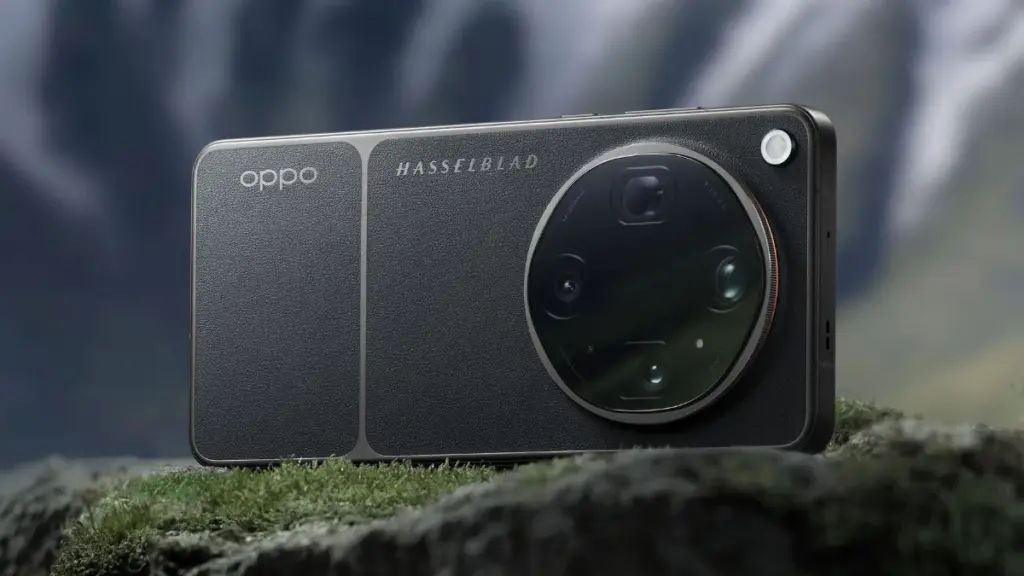
Oppo Find X9 Ultra leads on battery and zoom
Oppo Find X9 Ultra stands out as one of the most hardware-heavy alternatives in this group. It uses a Glacier 7,050mAh battery built with silicon-carbon anode material and supports 100W charging, well above the iPhone 17 Pro’s 40W limit.
The phone also makes a strong case for photography. Oppo equips it with six lenses, including a Hasselblad telephoto system with 10x optical zoom and a 200MP main sensor, plus dual satellite communication for areas without cellular coverage.
OnePlus 15 cuts the price gap sharply
OnePlus 15 takes a different path by undercutting the iPhone 17 Pro much more clearly. Priced at $799, it drops into premium territory without crossing the four-digit mark, while still offering high-end specifications.
Its 7,300mAh Silicon NanoStack battery is paired with 120W wired charging, and the 6.78-inch 1.5K AMOLED display supports a 165Hz refresh rate. Performance comes from the Snapdragon 8 Elite Gen 5, the same chip found in more expensive Android flagships.
Samsung Galaxy S26 Ultra stays closest to the iPhone Pro line
Samsung Galaxy S26 Ultra remains the most direct rival to Apple’s Pro models. It sits in a similar premium price tier, but adds practical touches that target everyday use rather than pure spec-sheet competition.
One of the most distinctive additions is a built-in Privacy Display that narrows viewing angles so people nearby cannot easily see the screen. The body is also slimmer at 7.9 mm, giving the phone a more refined flagship profile.
Samsung backs that up with a 200MP main camera and a 50MP periscope lens with 5x optical zoom. The company also promises seven years of operating system updates, matching the long support expectations many buyers now associate with top-tier phones.
Samsung pushes software further with Agentic AI
The Galaxy S26 Ultra is also designed to stand out through software. Samsung’s updated Bixby is described as more than a voice assistant, with the ability to navigate settings and complete tasks based on conversational requests.
That makes the device feel less like a simple hardware refresh and more like a broader attempt to make the phone handle daily actions with less friction.
Xiaomi 17 Ultra focuses almost entirely on photography
Xiaomi 17 Ultra is built for users who care most about mobile imaging. The phone continues Xiaomi’s collaboration with Leica and combines a flat 6.9-inch OLED LTPO display with a 3,500-nit peak brightness and an 8.29 mm body.
Its camera system centers on a 1-inch Light Fusion 1050L sensor and a Leica 200MP optical zoom telephoto unit. Xiaomi says the setup uses a full 1/1.4-inch sensor across the 75 mm to 100 mm equivalent range, enabling native 200MP photos without digital crop.
Vivo X300 Ultra adds lens-style accessories
Vivo X300 Ultra takes another specialist route by pairing ZEISS tuning with a 200MP 85 mm APO telephoto camera. The APO design follows ZEISS standards to reduce chromatic aberration, while a dedicated OIS system helps with low-light and long-distance shooting.
Vivo also includes a 12-channel multispectral color sensor for more accurate reproduction. For users who want a more camera-like setup, the optional Photography Kit adds an imaging grip and physical telephoto extenders equivalent to 200 mm and 400 mm.
Battery life and video work remain part of the appeal
Beyond imaging, Vivo X300 Ultra uses the Snapdragon 8 Elite Gen 5 and a 6,600mAh battery. That combination is aimed at demanding tasks such as 4K 120fps video recording, showing how far Android flagships are pushing hardware value at this price level.
For buyers comparing premium phones, the message is now simpler than before: iPhone 17 Pro is still strong, but it is no longer the most obvious answer when battery, charging, camera range, and device-specific features matter more than brand loyalty.