


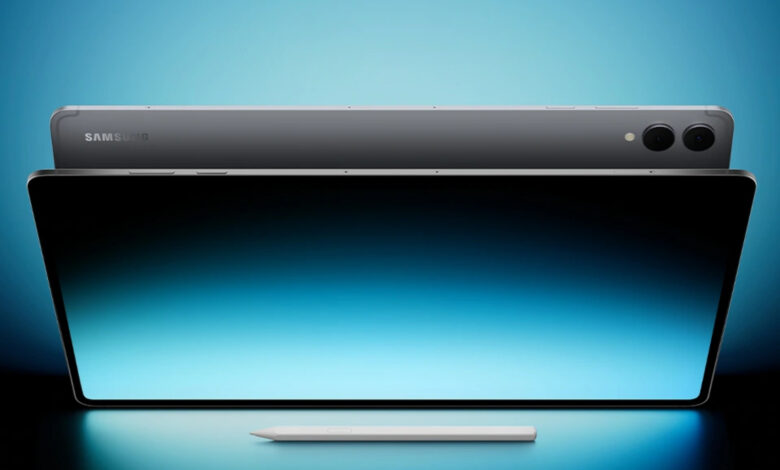
Samsung appears to be preparing a notable design shift for its premium tablet line, with the Galaxy Tab S12 Ultra now linked to a front camera punch-hole instead of the long-running notch. If that change reaches the final product, the tablet could also gain slimmer bezels and a more expansive-looking display.
The clearest clue came from firmware beta code for One UI 9, where SamMobile found an animation showing a tablet-like device with a centered punch-hole camera. The asset also appeared in two orientations, suggesting Samsung is testing how the interface behaves when the device is rotated and used in different positions.
A cleaner front design is starting to look likely
Today’s Galaxy Tab S11 Ultra and Galaxy Tab S10 Ultra still rely on a notch for the front camera. That design has defined Samsung’s Ultra tablets for years, but a punch-hole would be a visible departure and would likely make the screen feel less interrupted during entertainment, drawing, and productivity work.
The implication goes beyond the camera cutout itself. A smaller hole in the panel could give Samsung more room to trim the surrounding frame, which would push the screen-to-body look closer to what users usually expect from modern flagship phones.
That possibility is especially relevant for a tablet built around a large display. On a device like the Galaxy Tab S12 Ultra, even a modest reduction in bezel size can make the panel feel more immersive and the device look more refined.
One UI 9 provides the strongest hint so far
The punch-hole animation has another important detail: it does not appear in One UI 8.5. That version, based on Android 16, reportedly lacks any similar tablet animation, which makes the One UI 9 file stand out as a new addition rather than a carryover.
One UI 9 is associated with Android 17, so the firmware discovery offers one of the earliest concrete signs of Samsung’s design direction for the next phase of Galaxy tablets. It also suggests that hardware and software changes may be moving in step rather than being developed separately.
The two animation variants reinforce that idea. One version places the punch-hole along the long edge, while the other places it along the short edge, which points to a system being prepared for multiple tablet orientations instead of a fixed use case.
More than a visual tweak
If Samsung adopts this design, the benefit would not be limited to aesthetics. A punch-hole camera generally leaves more of the display visually uninterrupted, which matters on a large tablet used for streaming, multitasking, note-taking, or creative work.
It would also bring the Galaxy Tab lineup closer to the cleaner front profiles already common across the Galaxy phone family. For the Ultra tier in particular, that kind of consistency could strengthen the premium identity of the tablet range.
For now, though, the evidence remains limited to beta firmware. As with many internal assets, the animation may reflect testing rather than a final decision, so the current clue should be read as a strong indication rather than a finished product reveal.
Still, the direction is clear enough to matter. Samsung seems to be exploring a Galaxy Tab experience that looks more modern, feels less cluttered, and aligns more closely with the company’s broader Galaxy design language.