


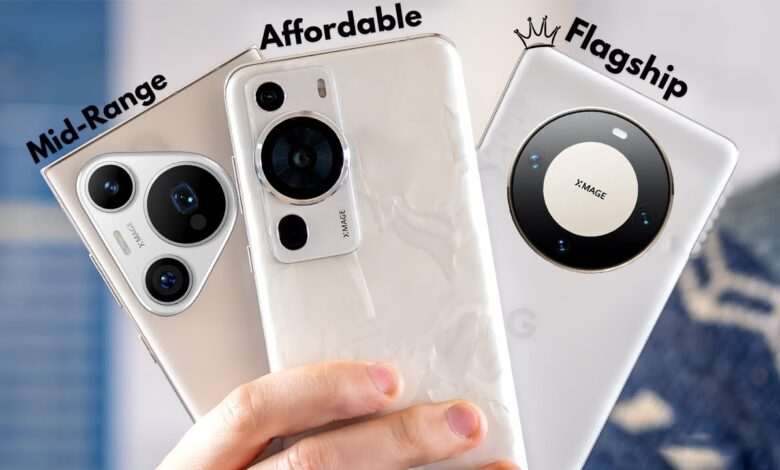
Huawei is entering 2026 with a lineup that leans less on raw specs and more on two areas that still matter most to premium buyers: imaging and foldable design. The result is a portfolio that feels intentionally different from many rivals in the crowded smartphone market.
Across its major families, Huawei is spreading flagship-grade features in a way that gives each series a clear role. The Pura line is focused on photography, the Mate series is centered on productivity and foldable innovation, and the nova family brings a premium feel to a more accessible tier.
Foldables remain Huawei’s boldest statement
The most attention-grabbing model is the Huawei Mate XT Ultimate Design, which stands out as the first tri-fold phone to be widely sold. When fully opened, it reveals a 10.2-inch OLED display that comes close to tablet territory.
That flexibility is the core of its appeal. The device can shift from a smartphone into a tablet in seconds, making it a strong fit for professionals, creators, and people who work on the move.
One important limitation remains, however, for many users in Indonesia. The absence of Google Mobile Services still restricts the device’s appeal in certain segments despite its strong innovation story.
Mate X7 and Mate X6 target premium buyers with different priorities
For buyers who want a more practical foldable option, the Mate X7 offers a more realistic alternative. It comes with the Kirin 9030 Pro chipset, IP58/IP59 durability ratings, and a reported 43 percent improvement in camera color quality.
Its 8-inch inner display also makes multitasking more comfortable. Huawei appears to be combining lighter design, strong camera hardware, and better toughness in a single package.
The Mate X6 still matters because it was one of Huawei’s comeback products in Indonesia. The phone is known for being thin and serious about imaging, especially through the variable aperture on its main camera.
That technology lets users adjust how much light enters the sensor, similar to a professional camera. In practice, it gives mobile photography more flexibility across different lighting conditions.
The Pura series keeps Huawei near the top of mobile photography
Among Huawei’s phones, the Pura 80 Ultra is the clearest statement piece for camera performance. It recorded a DxOMark score of 175 points, placing it among the best camera phones available.
Its main strength comes from a 1-inch primary sensor and a dual periscope telephoto system. Together, those components enable optical zoom flexibility of up to 9.4x.
The standard Pura 80 also serves as a more affordable entry into Huawei’s flagship ecosystem. Even below the Pro and Ultra versions, it still offers a 120Hz LTPO OLED display, a periscope camera, and second-generation Kunlun Glass protection.
At around Rp11 million, the Pura 80 is positioned as a compelling choice for users who care most about photography and display quality. The Pura 80 Pro sits in the middle, combining much of the Ultra model’s technology with a more competitive price.
Older hardware is not off the table either. The Pura 70 Ultra remains relevant in 2026 because of its retractable camera technology, which makes the main sensor extend outward when in use.
That design remains one of the most unusual hardware ideas in smartphones. It also shows that Huawei still sees physical camera innovation as a major differentiator, even as rivals rely heavily on software and AI processing.
Mate 80 Pro and nova models broaden the range
For users who want a conventional flagship, the Mate 80 Pro focuses on endurance and productivity. It brings an ultra-bright 3,000-nit display, a 5,750 mAh battery, and 100W fast charging.
Huawei also gives it IP68 and IP69 certification. That combination should matter for users who spend much of their time outdoors or in tougher working environments.
In the upper mid-range, the nova 14 Pro brings the Ultra Chroma feature to a segment that did not previously have it. It also includes an LTPO OLED display, a telephoto camera, and 100W charging.
The nova 13 Pro adds a different advantage through dual front cameras. That setup gives users more room for selfies and content creation, especially as short-form video continues to dominate mobile habits.
Seen as a whole, Huawei’s 2026 strategy is clear. The company is betting that camera hardware, foldable design, and selective flagship feature sharing can keep its phones distinctive in a market where many brands are starting to look alike.