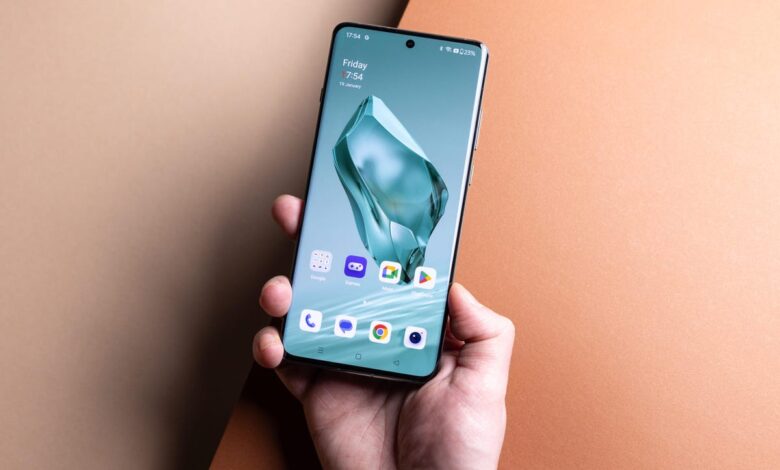
OnePlus has built a reputation for phones that stay fast long after official software support begins to fade. Many owners say their devices still feel smooth after several years, even when new Android versions are no longer arriving.
That is an unusual position in a market where Apple, Samsung, and Google now promote extremely long support windows. OnePlus may not lead on paper, but it often remains practical for daily use far longer than its update schedule suggests.
Performance is the main reason they feel durable
OnePlus has long focused on speed, and that strategy continues to define its appeal. Its flagship models usually rely on the latest Qualcomm chips, large amounts of RAM, and fast UFS storage, which helps them stay responsive over time.
OnePlus 15, for example, can come with up to 16GB of LPDDR5X Ultra+ RAM and UFS 4.1 storage. That combination helps apps open quickly and keeps multitasking smooth even after years of use.
| Model | Software Support | Notable Hardware |
|---|---|---|
| OnePlus 15 / OnePlus 13 | Up to 4 years of OS updates, 6 years of security patches | Flagship-class Qualcomm chipsets, large RAM, fast storage |
| Nord lineup | Typically 3 to 4 years of updates | Mid-range positioning |
| Nord N entry-level models | Usually 1 major Android upgrade | Lowest-tier models in the lineup |
Owner experiences also help explain why the brand gets a reputation for longevity. Some users say a three-year-old OnePlus One still feels very responsive, while a OnePlus 5 launched in 2017 can feel faster than a newer OnePlus Nord because of its stronger position in the lineup.
OxygenOS helps keep the experience light
Hardware is only part of the story. OxygenOS also plays a major role, with OnePlus now emphasizing performance and animation through tools such as Trinity Engine, which is designed to allocate resources more efficiently.
That approach helps speed up app launches and improve memory management. In everyday use, the result is a phone that can still feel light and quick even when it is no longer new.
Update support is shorter than rivals, but that does not end usability
For flagship models such as OnePlus 15 and OnePlus 13, the company promises up to four years of operating system updates and six years of security patches. The Nord series usually receives three to four years of updates, while Nord N entry-level devices often get just one major Android version upgrade.
That support window is shorter than the seven years of OS updates now offered by some competitors. Even so, an Android phone does not become unusable the moment updates stop arriving.
In many cases, apps remain supported for several more years, and battery wear becomes the bigger issue first. When battery health declines, performance can feel slower and uptime becomes shorter, so the practical lifespan often depends on component condition as much as software policy.
A strong community gives older phones a second life
OnePlus is also supported by an active enthusiast community, which gives older devices a realistic path to extended use. For users willing to unlock the bootloader and install custom software, custom ROMs remain a serious option.
One example is the OnePlus 5, which last received OxygenOS with Android 10 but can still run LineageOS 22 based on Android 15. The process carries risk, but for older phones it can extend usable life significantly.
Community behavior also reflects that durability. In a poll on the OnePlus community forum, nearly 200 users said they keep their phones for three to five years.
That pattern shows why OnePlus continues to stand out: it is not the brand with the longest software promise, but it is often the brand that still feels worth using after the official support clock has slowed down.