Smartwatches and AI-powered wearables are now capable of much more than counting steps or tracking heart rate. But their ability to identify signs of illness still has clear limits, and that matters before wrist data is treated like a diagnosis.
These devices can monitor sleep, skin temperature, breathing rate, blood oxygen levels, and heart rhythm. Some models even warn users about possible sleep disorders such as sleep apnea, yet that does not mean they can reliably explain the medical cause behind the alert.
What these devices do best
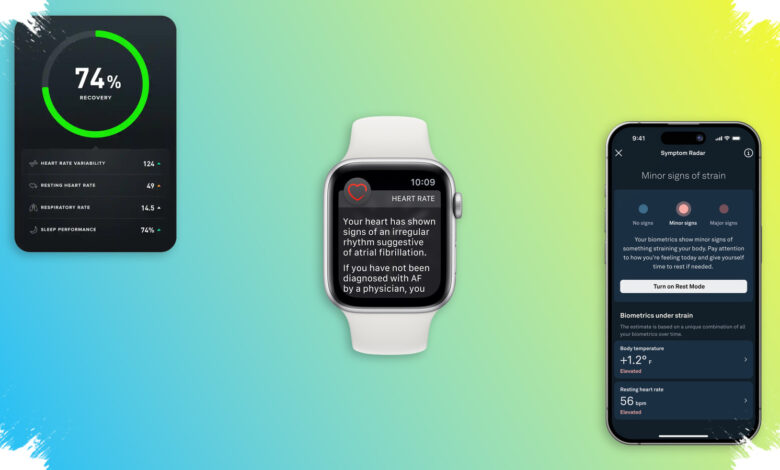
One of the strongest clinical uses remains the detection of atrial fibrillation, or AFib. In an Apple Watch study, irregular pulse alerts were confirmed as AFib in 84 percent of cases, which is why many doctors consider that feature genuinely useful.
| Feature or Method | What It Does | Reliability |
|---|---|---|
| AFib detection | Identifies abnormal heart rhythm linked to stroke risk | 84 percent of cases confirmed in an Apple Watch study |
| Basic sleep patterns | Tracks basic sleep metrics, not deep sleep phases | Considered more medically trustworthy |
| Step count | Measures daily activity | Considered more medically trustworthy |
As Liputan6.com reported while citing Engadget, many wearable health features are most valuable as early signals that something in the body has changed. In practice, that makes them better suited for trend monitoring than for making a diagnosis.
Numbers that need caution
Not every figure shown on a smartwatch should guide medical decisions. Blood pressure alerts, calorie estimates, and detailed sleep-stage tracking are still considered unreliable enough that doctors do not fully trust them.
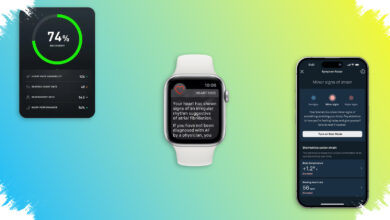
The same caution applies to VO2 max, heart rate variability, and daily wellness scores such as Readiness from Oura and Recovery from Whoop. Those numbers depend heavily on internal algorithms, which means clinicians do not always receive data they can confidently use.
A single physiological sign can also point to many different causes. A higher resting heart rate, for example, may indicate that the body is fighting an infection, but it can also be linked to poor sleep or heavy drinking.
Pattern tracking is where wearables matter most
Smartwatches and wearables become more useful when they capture small changes over time. When compared with a user’s normal baseline, combined data such as skin temperature, resting heart rate, and breathing patterns can offer an early clue that something is off.
Research has shown that wearables can detect physiological changes caused by respiratory infections even before symptoms appear. Studies from Texas A&M and Stanford also found that smartwatches could help identify early signs of COVID-19 and influenza within hours after infection.
Researchers estimate that this kind of early detection could encourage people to isolate sooner, get tested, and seek treatment earlier. In that scenario, pandemic spread could even be reduced by as much as 50 percent.
AI helps connect the signals
Companies such as Google, Oura, and Whoop already offer AI coaches or advisers inside their apps. Features like Oura’s Symptom Radar and Apple’s Vitals combine data from multiple sensors and compare it with the body’s normal state.
At the same time, language models such as Google’s Gemini in the Health Coach service are expected to make this kind of analysis easier for users to understand. Even so, most of the process happens behind the scenes and still may not produce data strong enough for doctors to use as a primary reference.
The biggest problem is not detecting change, but explaining what is actually happening. For that reason, wearable data is safest when treated as an early warning system rather than a replacement for regular checkups with doctors and other health professionals.