


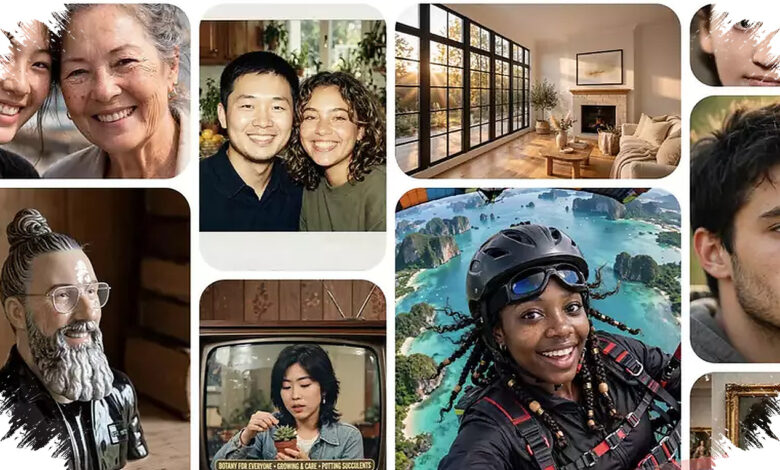
Meta’s latest AI push has reopened a familiar debate over how much control Instagram users really have over their own content. Muse Image, the company’s image-generation feature, can use photos from public accounts unless users actively turn that option off.
The controversy centers on consent. Public accounts are included by default, while the opt-out setting sits inside account controls, raising concerns that permission is being assumed rather than requested.
Opt-Out, Not Opt-In
Meta has integrated Muse Image into Instagram as a tool for creating images with artificial intelligence. Under the current setup, public accounts are automatically part of the system, and users must disable reuse if they do not want their content to be available.
That approach has drawn criticism because it does not ask for explicit approval before photos or videos can be used. For privacy advocates, the model favors product expansion over stronger user protection.
| Account Type | Muse Image Availability | User Control |
|---|---|---|
| Public account | Included by default | Can be turned off in sharing and reuse settings |
| Private account | Not available for Muse Image | Automatically excluded |
Criticism From Consumer Advocates
Public Citizen, the nonprofit consumer advocacy organization, said the policy raises serious privacy concerns. JB Branch, the group’s Director of Federal AI Governance and Technology Policy, argued that Meta is again placing business interests ahead of consumer protection.
Branch also questioned the clarity of consent, saying people should not discover that their face has already been used to generate AI images without clear permission at the start.
How Users Can Turn It Off
Meta says users who do not want their photos or videos used for AI image generation can opt out through Instagram settings. The change applies to public accounts, while private accounts are already excluded.
If an account is switched to private, Meta AI will reject @mention attempts that try to use it for image creation and will display a notice that photos from private accounts are unavailable. For public accounts, the relevant setting is found under sharing and reuse.
| Step | Action | Result |
|---|---|---|
| 1 | Open Instagram and go to the profile page | Access account settings |
| 2 | Tap the menu icon in the top-right corner, then choose sharing and reuse | Open content reuse controls |
| 3 | Disable posts and Reels | Photos and videos are no longer available for Muse Image |
Meta also says images generated before the setting is turned off will not be deleted. Because the rollout is gradual, some users may not see the opt-out option immediately in the app.
Old Privacy Questions Return
The backlash adds to a long record of privacy disputes that have followed Meta for years. The company was fined US$ 5 billion by the Federal Trade Commission in 2019 after data from tens of millions of Facebook users was improperly taken by Cambridge Analytica without account holders’ knowledge.
Meta later shut down Facebook’s facial recognition system in 2021 after legal challenges and regulatory pressure over biometric data collection. Against that background, Muse Image is being viewed by critics as another example of the same debate resurfacing in a new form.
Meta says users still have control through opt-out settings, but the larger question remains whether delayed consent is enough when AI tools are expanding across Instagram and are expected to extend to Facebook, Messenger, and advertising platforms as well.