


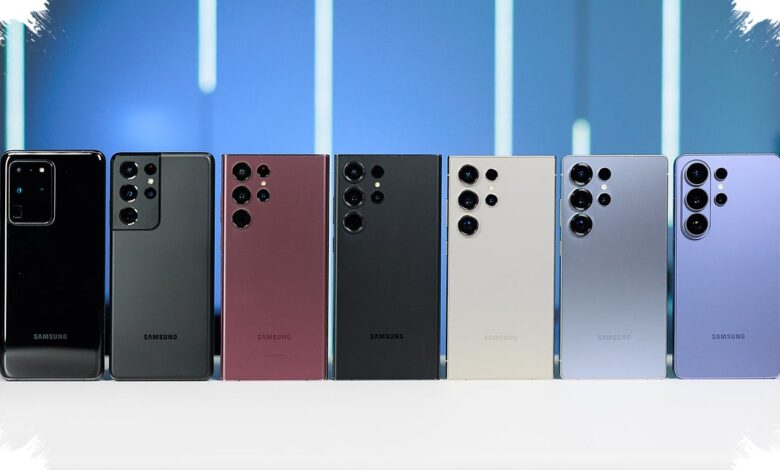
Samsung is being forced to raise Galaxy S26 production in July after demand for the series climbed far faster than expected. In South Korea, the lineup has already reached 3 million units sold in just 118 days, or less than four months.
The strongest pull appears to come from the Galaxy S26 Ultra, which reportedly accounts for about 70% of total pre-orders. That surge has also pushed delivery schedules back for some buyers, with the Galaxy S26 Ultra said to slip into August in certain cases.
Pre-Orders Set the Pace
The launch momentum was clear from the start. Samsung’s Galaxy S26 series recorded 1.35 million pre-orders in the first seven days after orders opened in Korea.
That figure surpassed the previous high set by the Galaxy S25 series, which logged 1.3 million pre-orders over an 11-day period. The early response suggests the new lineup is landing more strongly than its predecessor in Samsung’s home market.
| Model Series | Time to Reach 3 Million Units | Notes |
|---|---|---|
| Galaxy S26 series | 118 days | Faster than previous generations |
| Galaxy S25 series | Early August | About six months after launch |
| Galaxy S24 series | Two months slower | Took longer to reach the same milestone |
Samsung Pushes Production Higher
According to ETNews, Samsung is increasing July output for the Galaxy S26 series from 1 million units to 1.5 million units. The total covers both South Korean demand and global shipments.
This move comes as interest continues to build across official Samsung channels and open-market sales. The report links the momentum to a combination of promotional events and rumors that Galaxy S27 prices could rise because memory costs are climbing.
Broader Export Momentum in South Korea
The sales strength of the Galaxy S26 series is also appearing in South Korea’s wider electronics trade numbers. The Ministry of Trade, Industry and Energy said wireless communication device exports reached USD 9.9 billion in the first half of 2026, up 31.5% from the same period in 2025.
The ministry specifically cited the Galaxy S26 series in its explanation, saying stronger finished-product exports were driven by solid sales of the lineup released in the first quarter. That places Samsung’s latest flagship family at the center of a larger export upswing.
For buyers, the immediate result is longer waiting times on some configurations. For Samsung, the challenge is different: keeping supply aligned with a demand spike that has already outpaced earlier Galaxy S generations.