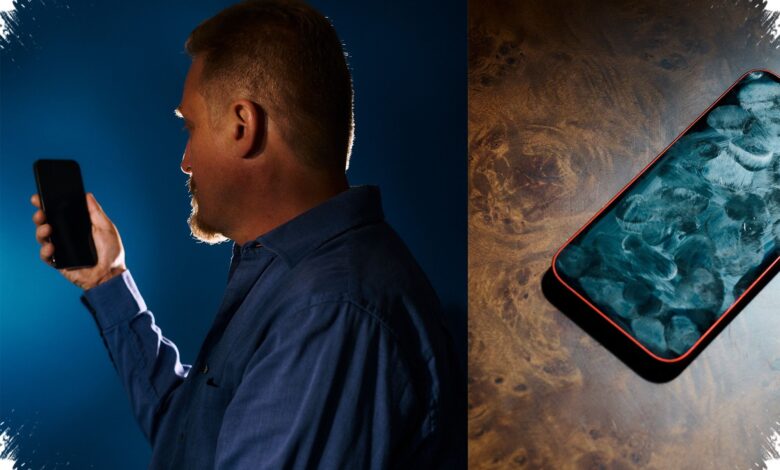
A proposed Federal Communications Commission rule could make anonymous prepaid phones far harder to obtain in the United States. Mobile and VoIP customers would have to provide personal information before activating or renewing service.
The proposal has drawn concern because anonymous phone access can serve as a safety tool, not merely a means to evade accountability. Domestic violence survivors and teenagers coerced by human traffickers may need a phone line that is outside another person’s control.
What Customers Would Have to Provide
The FCC proposal would require identifying details from customers seeking mobile or VoIP service. The requested information includes a name, residential address, government identification number, and an alternative phone number.
| Service Stage | Required Information | Potential Effect |
|---|---|---|
| Mobile or VoIP registration | Name, address, government ID, alternative number | Less anonymity for prepaid users |
| Activation or renewal | Personal data verification | Higher barriers for new customers |
Critics have highlighted the alternative-number requirement as an unusual condition. It could mean a person needs access to a phone number before being able to secure a new one.
Barriers Beyond Privacy Concerns
The practical effects could extend to people without standard identification documents. The available figures indicate that about 15 million U.S. adults do not have a driver’s license, while 2.6 million do not have a government-issued photo ID.
A residential-address requirement may also create difficulties for people experiencing homelessness. For these groups, a verification system could restrict access to a basic communications service even when there is no criminal concern.
Electronic Frontier Foundation and the American Civil Liberties Union have warned that the proposal could block access to anonymous phone lines used for personal safety. In a joint statement, the organizations called it a “data collection regime that harms everyday law-abiding Americans.”
Security Goal Faces Questions
The FCC proposal is presented as a tool that could help investigations into fraud, espionage, and influence operations that threaten national security. Opponents argue that broad identity collection places the burden on all customers rather than focusing on the people responsible for those activities.
Sydney Saubestre, a senior policy analyst at the Center for Democracy and Technology, described the approach as “misguided and counterproductive.” She argued that Americans should not have to surrender privacy because the commission has not pursued more targeted alternatives to address robocalls.
Data security is another point of concern for privacy advocates. Customer accounts held by phone companies have previously been hacked, raising fears that a larger pool of identity data could expose ordinary users to further harm.
A Wider Debate Over Surveillance
Public comments have framed the proposed system as a possible expansion of surveillance in the United States. Although anonymous phones are often associated with criminal activity, critics stress that lawful users can also rely on anonymity for protection and privacy.
The debate now centers on whether national-security objectives justify limiting anonymous access to phone service. The FCC proposal could reshape how Americans purchase and use prepaid phone numbers if it moves forward.