


AMOLED displays are becoming far more common in smartphones priced from Rp2 million to Rp3 million in Indonesia. The trade-off is that manufacturers often reduce spending on 5G connectivity, exterior materials and secondary camera hardware.
This approach allows buyers to access brighter visuals, deeper contrast and better power efficiency without a major increase in retail price. It also means that a low-priced AMOLED phone should be assessed beyond its display specification.
Data compiled by techno.viva.co.id as of July 18, 2026 shows that the entry-to-mid-range market has grown increasingly crowded with AMOLED-equipped devices. Two models illustrate how brands balance display quality against the cost of other components.
| Model | Display | Chipset | Price |
|---|---|---|---|
| Infinix Hot 60 Pro | 1.5K AMOLED, up to 144Hz | MediaTek Helio G series | Rp2 million segment |
| Tecno Spark 30 Pro | AMOLED | MediaTek Helio G100 | Rp2.099.000 |
Lower component costs create room for AMOLED
The main cost-saving measure is the use of established 4G chipsets rather than platforms with 5G modems. A 5G modem can increase component costs in low-priced phones, making 4G a practical choice for budget-oriented variants.
That decision does not mean the display itself is inexpensive. Instead, a lower system-on-chip cost can give manufacturers more room to use a higher-quality AMOLED panel while keeping the overall device price under control.
Infinix Hot 60 Pro follows this formula with a 1.5K AMOLED panel that supports a refresh rate of up to 144Hz. It uses a MediaTek Helio G series processor to remain within the Rp2 million price segment.
Tecno Spark 30 Pro takes a similar route with the MediaTek Helio G100. Its listed price is Rp2.099.000, while its AMOLED display remains one of the key parts of its value proposition.
1. Infinix Hot 60 Pro
The Infinix Hot 60 Pro places its strongest emphasis on the screen, combining AMOLED technology, 1.5K resolution and a refresh rate of up to 144Hz. The model represents an effort to bring a display normally associated with higher-priced phones into a more accessible segment.
The compromise is found in its chipset choice, which is based on the MediaTek Helio G series and 4G connectivity. This helps contain the production budget without removing the phone’s headline display capability.
2. Tecno Spark 30 Pro
The Tecno Spark 30 Pro also uses an AMOLED panel and a MediaTek Helio G100 chipset. At Rp2.099.000, the device demonstrates how brands can prioritize screen quality while limiting costs in other areas.
Its rear camera strategy centers on a 108 MP main camera. Ultrawide and telephoto lenses are not a priority, while lower-cost depth or macro sensors may serve as supporting cameras.
Plastic bodies and scale matter
Many AMOLED phones in the Rp2 million to Rp3 million range use polycarbonate or plastic bodies, even when their finishes resemble glass. This reduces cosmetic costs while preserving the main viewing experience offered by the display.
Growing global panel production has also helped make AMOLED pricing more reasonable. Higher demand can lower per-unit production costs and strengthen manufacturers’ bargaining position when sourcing displays.
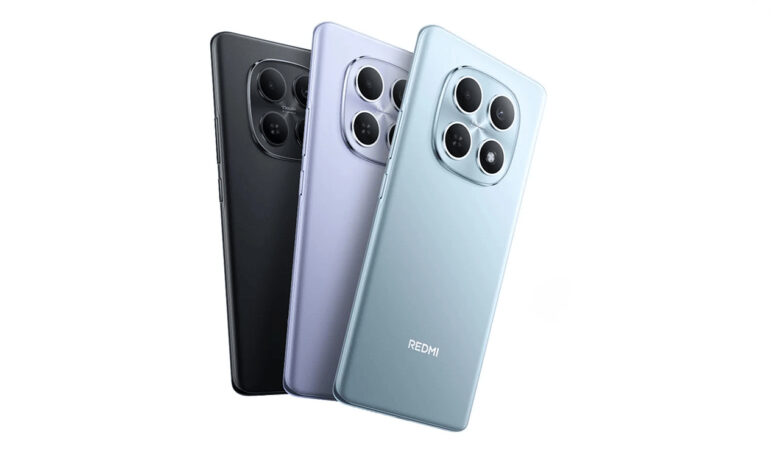
Popular lines such as Redmi Note 15 are said to benefit from high unit turnover and lower panel prices from display suppliers. Blibli trend reports and Erafone’s official catalogue also indicate substantial device circulation in this market segment.
For consumers, the shift expands access to vivid displays at lower prices. The final decision, however, should account for the likely compromises in 4G connectivity, plastic construction and secondary camera capability.