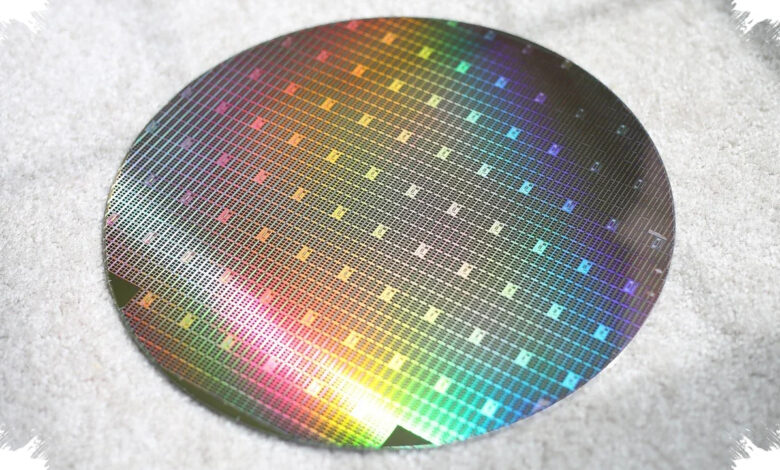
TSMC is reportedly preparing to raise chip manufacturing prices by as much as 10% in early 2027, a move that could add costs across consumer electronics. Smartphones, tablets, laptops, and smartwatches may all be affected if customers pass higher production expenses on to buyers.
The potential impact extends beyond flagship processors built on the newest manufacturing technology. Older process nodes, which remain important for a wide range of electronic components, are also expected to face price adjustments.
Advanced and Mature Nodes Are Involved
Nikkei Asia, as cited by GSMArena, reported that TSMC’s advanced manufacturing processes could become 5% to 10% more expensive. The size of the increase would depend on the chip type and the company purchasing the manufacturing service.
| Process category | Example node | Reported increase |
|---|---|---|
| Advanced node | 2nm | 5% to 10% |
| Mature node | 12nm, 16nm, 28nm | Up to 10% |
The 2nm process is associated with high-performance chips, including processors expected in future mobile devices. However, the reported increases for 12nm, 16nm, and 28nm processes broaden the scope beyond the most advanced products.
Mature nodes continue to serve many categories of components and are not limited to cutting-edge consumer hardware. This means the cost pressure could reach products that do not use the latest semiconductor designs.
Material, Equipment, and Factory Costs
TSMC said the new prices reflect increasing costs for materials and manufacturing equipment. The company also linked the adjustment to its investment in fabrication facilities outside Taiwan.
Building new chip plants requires significant capital, while semiconductor production equipment is a major part of manufacturing costs. The reported pricing change would allow those factors to be reflected in TSMC’s foundry services.
Consumers would not necessarily see an immediate effect when the changes begin. New devices generally take months to move from chip production and product planning to retail availability.
Higher wafer costs could nevertheless become part of the calculations behind upcoming product launches. The report did not identify any specific consumer device that is confirmed to receive a price increase.
Major Customers Review Production Options
TSMC manufactures chips for major companies including Apple, Nvidia, Qualcomm, AMD, and Intel. Its broad customer base means higher foundry costs could influence production decisions across several technology segments.
Apple is reportedly negotiating with Intel and Samsung to diversify its chip production. The reported discussions indicate that alternative suppliers are gaining attention among companies that rely heavily on semiconductor manufacturing capacity.
Qualcomm, the designer of Snapdragon chips, is also said to be reconsidering Samsung’s manufacturing services. This remains a report about potential production decisions rather than a confirmed supplier change.
Intel, meanwhile, is reportedly seeking to bring roughly 80% to 90% of Nova Lake CPU compute tile production into its own facilities using its 18A node. Earlier plans reportedly allocated about 60% to 70% of Nova Lake compute tile production to TSMC’s N2 process.
If Intel’s reported plan proceeds, it could reduce the share of Nova Lake production dependent on TSMC. The eventual effect of the TSMC Chip Price Increase on retail devices will depend on whether each brand absorbs the additional expense or passes it through to consumers.