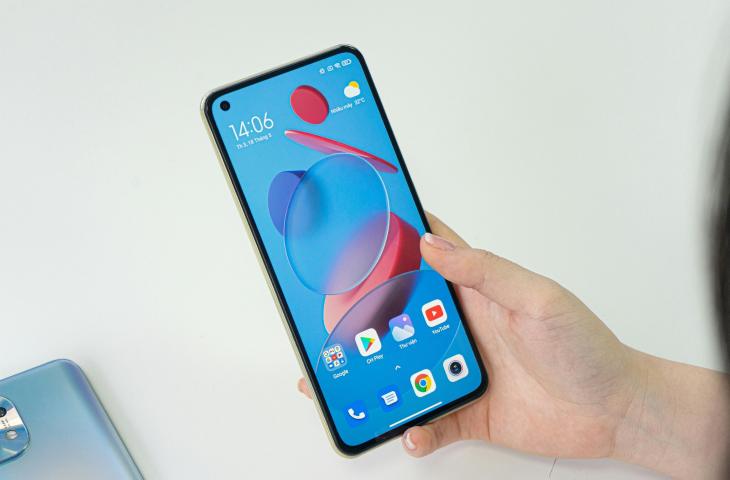
Xiaomi has taken an unexpected route by releasing the Android 16 update first for its entry-level phones rather than flagship models. The Redmi A3 and POCO C61 are the first Xiaomi devices globally to run the stable version of Android 16 with HyperOS V816.0.3.0.WGRMIXM. This rollout marks a significant shift in the company’s update strategy, as premium smartphones like the Xiaomi 15 Ultra are still waiting for the upgrade.
The update brings noticeable improvements in system performance, enhanced battery efficiency, and smarter app management. Users of these budget devices can now enjoy a smoother, more responsive experience similar to higher-end models. This move highlights Xiaomi’s commitment to delivering the latest software innovations to all users, regardless of device price.
Strategic Shift in Update Prioritization
Previously, flagship phones were prioritized for receiving the newest Android versions. Now, Xiaomi appears to broaden its focus by ensuring entry-level phones get timely updates. According to Xiaomi Time on November 4, 2025, this change also reflects increased efficiency in adapting the new operating system across diverse hardware. Users with lower-spec devices no longer wait months after official launches to experience up-to-date Android features.
This strategy aligns with Xiaomi’s long-term goal of providing a consistent and secure software experience across its product range. The company’s increasing investment in timely updates reinforces its competitive edge in the smartphone market. Offering flagship-level software enhancements to budget devices allows a wider user base to access benefits like improved security and system fluidity.
What Android 16 Brings to Entry-Level Phones
HyperOS based on Android 16 introduces a range of user experience upgrades. Key features of version V816.0.3.0 include smoother and more realistic transition animations. Memory management has been optimized to enhance multitasking capabilities, which is critical for devices with limited RAM.
Security has been strengthened by integrating Google’s native Android 16 protection mechanisms directly into the system. This ensures that even users of low-cost phones benefit from robust safeguards against vulnerabilities.
Xiaomi also improved background process handling to conserve battery life effectively. For phones like Redmi A3 and POCO C61, which typically have large batteries but modest processors, these enhancements mean longer usage times without compromising performance. The optimization is critical to maintaining a balance between power consumption and functionality in hardware-constrained environments.
Integration with Xiaomi’s Ecosystem
Besides standalone performance upgrades, the latest HyperOS update enhances the synergy between entry-level phones and Xiaomi’s broader ecosystem. Devices running Android 16 now better connect with Xiaomi tablets, smartwatches, and smart TVs for seamless interoperability. This integrated system approach adds significant value beyond just individual hardware improvements.
By focusing not only on the hardware but also on a cohesive software environment, Xiaomi strengthens its ecosystem’s appeal. Users gain a more unified experience, whether switching between devices or leveraging cross-device features.
Gradual Rollout and Availability
The update is being rolled out gradually across different regions to monitor stability and compatibility. This staged deployment helps Xiaomi quickly identify and resolve bugs before a wider release. Users of Redmi A3 and POCO C61 who do not receive automatic notifications can manually check for the update under Settings > About Phone > System Update.
Additionally, Xiaomi offers the MemeOS Enhancer app, which allows users to accelerate update detection and access hidden features not available by default. This tool provides power users with more control over their device software.
By adopting a cautious but progressive release method, Xiaomi prioritizes delivering a stable and bug-free Android 16 experience. This approach minimizes disruptions for users relying on these devices for daily use.
Implications for the Smartphone Market
Xiaomi’s decision to update entry-level devices before flagships signals a growing trend among manufacturers to prioritize software inclusivity across price ranges. Enabling budget phones to run the latest Android OS with meaningful optimizations could shift consumer expectations for device longevity and security.
This move also expands the appeal of Xiaomi’s low-end segment, potentially increasing market share among users who previously feared outdated software. As Android versions advance, fast and broad rollout can be a decisive factor influencing purchasing decisions.
By reinforcing the value proposition of entry-level smartphones with advanced software support, Xiaomi showcases its readiness to compete both on hardware and ecosystem strengths in the global market.