


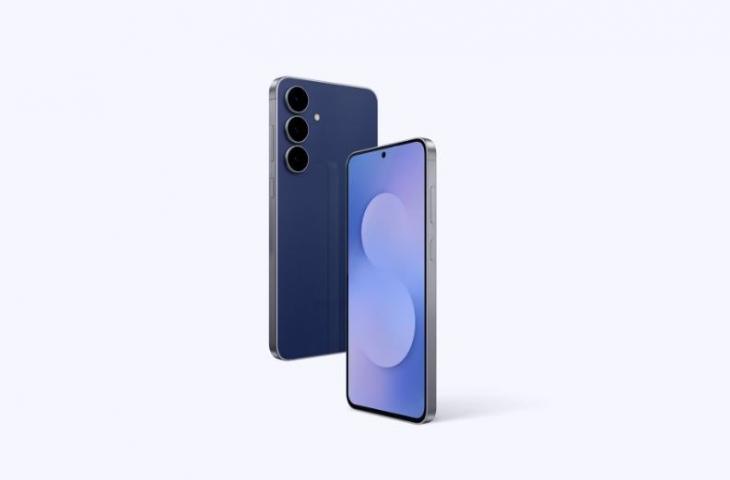
Samsung Galaxy S26 Targets the Slimmest Flagship Title Against Xiaomi 17
Samsung is set to launch its new Galaxy S26 series with a strikingly slim design. According to tech insider UniverseIce, the standard Galaxy S26 model will feature a body thickness of only 6.9 millimeters. This dimension places it among the thinnest flagship smartphones ever produced by Samsung, marking a noticeable reduction from its predecessor, the Galaxy S25, which measured 7.2 millimeters thick. The improvement reflects a 4% decrease in thickness, signaling Samsung’s focus on sleek, modern aesthetics similar to those seen in the Galaxy Z Fold 7, but streamlined into a more conventional form factor.
In contrast, Xiaomi’s upcoming flagship, the Xiaomi 17, will debut with a thickness of 8.06 millimeters and a weight of 191 grams. While this is slightly thicker than the Galaxy S26, Xiaomi appears to prioritize durability and camera performance over ultra-slim design. This approach highlights a different philosophy from Samsung’s emphasis on elegance and minimalism, as Xiaomi aims to balance build strength with cutting-edge photography capabilities.
Launch Plans and AI Integration
Samsung plans to unveil the Galaxy S26 lineup at the Galaxy Unpacked event scheduled for February 25, 2026, in San Francisco, USA. This launch will mark Samsung’s first global flagship showcase since the Galaxy S23 debut in 2023. The new series will heavily incorporate artificial intelligence (AI) across various features. AI enhancements are expected to improve photography, power efficiency, and system optimizations, making the devices smarter and more adaptable.
The Galaxy S26 lineup will include three variants: the base Galaxy S26, Galaxy S26+, and Galaxy S26 Ultra. Samsung targets to ship 35 million units in the first half of 2026, a significant increase from the 22 million units achieved by the Galaxy S25 series. This ambitious goal underscores the company’s confidence in the refreshed design and AI-powered feature set.
Xiaomi 17: Focus on Performance and Photography
On the other hand, Xiaomi 17 emphasizes raw performance and photographic excellence. Powered by the Snapdragon 8 Elite Gen 5 chipset, the device delivers high efficiency alongside a responsive user experience. Xiaomi enhances its imaging system by collaborating with Leica, ensuring professional-grade photo quality with sharp and vivid details.
Additionally, Xiaomi 17 will run on the latest HyperOS 3 platform, boosting multitasking efficiency and speed. A larger battery capacity further complements the device’s performance, enhancing battery life and longevity. This combination positions Xiaomi 17 as a formidable contender in the premium Android segment, appealing to users who prioritize balanced performance and camera capabilities.
Comparing Design Philosophies
The competition between Samsung Galaxy S26 and Xiaomi 17 reflects two distinct design philosophies shaping the flagship market. Samsung’s approach highlights an ultra-thin, futuristic aesthetic aimed at users who value elegance and minimalist design. Meanwhile, Xiaomi focuses on practical durability and superior camera performance, catering to consumers seeking a well-rounded smartphone experience.
Both devices are expected to hit the global market in 2026, promising to intensify the rivalry in the Android flagship category. This head-to-head battle will showcase not only technological advancements but also divergent interpretations of what the future of premium smartphones should be.
Key Specifications Overview
-
Samsung Galaxy S26
- Thickness: 6.9 mm
- Variants: S26, S26+, S26 Ultra
- Launch: February 25, 2026
- Key Features: AI integration, ultra-slim design
- Target Shipment: 35 million units (H1 2026)
- Xiaomi 17
- Thickness: 8.06 mm
- Weight: 191 grams
- Chipset: Snapdragon 8 Elite Gen 5
- OS: HyperOS 3
- Camera: Leica-optimized system
- Focus: Balanced durability and photography
The upcoming releases of Samsung Galaxy S26 and Xiaomi 17 will highlight how the two tech giants leverage innovation to capture consumer interest. Both models embody evolving flagship trends, yet their divergent approaches underline a healthy competition that will benefit the broader smartphone ecosystem.