


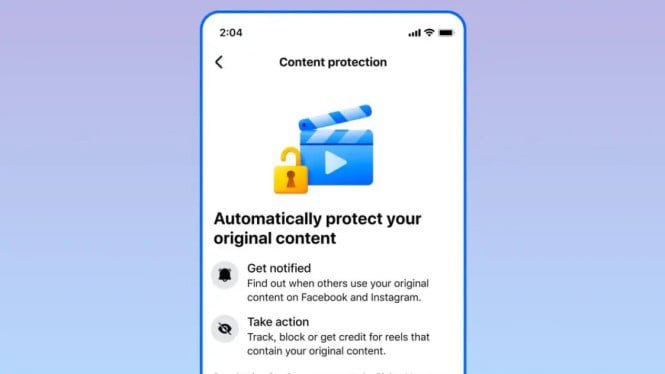
Meta has officially introduced a new weapon to combat illegal reposts that have long plagued content creators on Instagram and Facebook. The tech giant launched its Content Protection feature in October 2025 to give creators more control over unauthorized reuse of their Reels videos.
This system employs advanced AI to detect copied content and offers creators three actionable options: Track, Block, or Release. They can manage these directly through their Professional Dashboard, making it easier to monitor and respond to repost violations.
The Growing Problem of Illegal Reposts
Reposting without permission has been a chronic issue for creators, especially with Reels. Channels focused on quick entertainment or facts often repost others’ videos without attribution or compensation. This not only infringes on copyright but also diverts potential revenue from the original creators.
Before Content Protection, Meta lacked an automated tool similar to YouTube’s Content ID. Creators had to manually report infringing posts, a time-consuming and often ineffective process. This gap left many creators vulnerable to content theft without proper recourse.
How Content Protection Works: Detection and Control
The new feature scans all Reels across Facebook and Instagram using sophisticated visual and audio fingerprinting. When a match with a verified creator’s content is found, a notification appears on the creator’s dashboard.
Creators receive detailed insights including:
- Accounts reposting their content
- Direct links to offending posts
- Performance statistics like views, interactions, and revenue generated
- Specific stolen video segments and durations
From there, creators can choose their preferred action: Track, Block, or Release.
1. Track: Assign Attribution and Monitor Revenue
With Track, creators can allow reposts but retain ownership rights. The system automatically credits the original creator and redirects any revenue from ads or bonuses to them. This option lets creators grow their audience without sacrificing monetization.
2. Block: Hide the Content from Public View
Blocking a repost hides the infringing video across Facebook and Instagram but does not penalize the reposting account itself. No alerts are sent to the reposter, making this a low-conflict way to protect intellectual property.
3. Release: Remove Copyright Claim
Creators can also opt to release the repost, lifting any copyright claims. This keeps the content live without attribution or revenue going to the original creator. This choice suits reposts made by friends or community members where restrictions are unnecessary.
New Transparency for Monetization
A groundbreaking aspect of Content Protection is its ability to show if reposted Reels are generating revenue. Creators can see:
- Whether the repost participates in monetization programs like Reels Play Bonus or Instagram Subscriptions
- Estimated earnings from ad revenues or tips
- Income sources including subscriptions and virtual coins
This transparency empowers creators to make informed decisions about allowing reposts or taking action against commercial exploitation.
Current Limitations and Availability
Meta is rolling out Content Protection gradually. Eligible creators must be in official Meta monetization programs and comply with community standards. Currently, the feature applies mainly to Reels posted on Facebook and is accessible via the Rights Manager on the desktop web. Mobile app integration and broader Instagram support are expected soon.
Smaller creators and new users, who are most exposed to repost abuse, cannot yet access this protection. This limitation restricts the feature’s impact on curbing widespread content theft in the short term.
Community Feedback and Future Expectations
Initial responses have been positive, but many creators urge Meta to strengthen enforcement. Criticism includes:
- Lack of automatic penalties for repeated repost offenders
- The need for proactive blocking rather than waiting on creator input
- Incomplete coverage on Instagram, where reposting is most rampant
Creators and advocates call for Meta to:
- Issue automatic warnings to offenders
- Impose account sanctions for repeated violations
- Expand the system to cover all content formats beyond Reels
Toward Digital Fairness for Creators
Content Protection marks a significant policy shift at Meta after years of criticism over insufficient anti-theft measures. For qualified creators, this tool offers vital control to reclaim their content and revenue.
Yet, technology alone cannot end illegal repost culture. Meta must broaden access, fully integrate Instagram, and implement tougher penalties to ensure durability. Protecting creators is fundamental to fostering a thriving creative ecosystem based on fairness and respect.
This initiative signals Meta’s deeper commitment to creator rights, but it is just the beginning of a larger fight against content piracy.