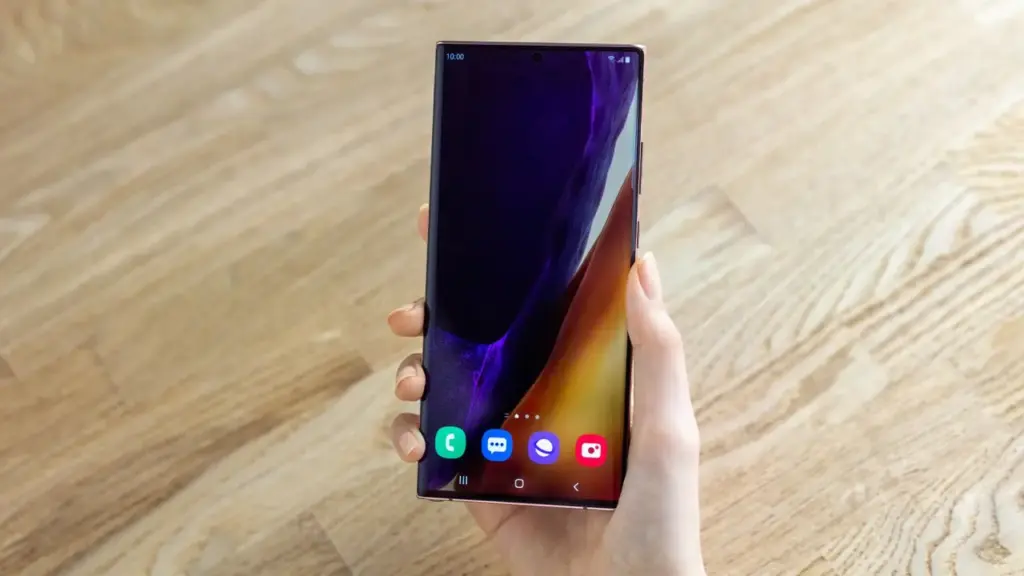
The Active Matrix Organic Light-Emitting Diode (AMOLED) screen technology has become dominant in the global smartphone market by 2025. It now accounts for 246 million units out of 586 million smartphone panel shipments worldwide in the third quarter, reflecting a quarterly growth of 9.9%, according to TrendForce. This widespread adoption extends to mid-range phones, driving the rapid expansion of AMOLED panels.
AMOLED screens offer several key advantages that elevate the sophistication of smartphones. Their ability to deliver perfect black levels and near-infinite contrast stems from the capability to completely switch off individual pixels. Unlike Liquid Crystal Display (LCD) panels that require a backlight, AMOLED pixels emit their own light, which results in deeper blacks and more vivid colors. Radio Republik Indonesia (RRI) highlights this unique trait, noting that “AMOLED can produce deeper blacks due to the pixels being able to turn off completely, creating infinite contrast.”
Vivid Colors and Accurate Reproduction
AMOLED technology also excels in color reproduction. Its wide color gamut enables more vibrant, saturated, and accurate colors when compared to traditional displays. This is particularly important for multimedia consumption such as photo and video viewing, as well as professional tasks requiring precise color accuracy. The result is an enhanced visual experience appreciated by general consumers and creative professionals alike.
Energy Efficiency and Design Flexibility
One of the critical factors propelling AMOLED’s market presence is its energy efficiency. AMOLED screens consume significantly less power than LCDs by turning off pixels entirely when displaying dark content or using dark mode features. This capability contributes to substantial battery savings. According to data from erablue.id, the Super AMOLED variant, an improved version of AMOLED, can save up to 20% more power compared to standard AMOLED, especially when rendering black tones. This efficiency allows smartphone manufacturers to design devices that are thinner and lighter without sacrificing battery capacity, as no additional backlighting components are needed.
The absence of a backlight also facilitates greater design innovation. AMOLED displays can be produced in ultra-thin and flexible forms, which enable curved screens and foldable smartphones. Notable examples include Samsung’s Galaxy Z Fold series, which showcases the potential of AMOLED’s adaptability in cutting-edge design.
Superior Responsiveness for Smooth Visuals
AMOLED technology boasts extremely fast pixel response times measured in microseconds, greatly surpassing conventional LCD speeds. This rapid responsiveness produces smooth motion and reduces motion blur in fast-moving content, which is highly advantageous for mobile gamers and movie fans. The high refresh rate compatibility combined with AMOLED’s responsiveness offers gamers precision and enhanced reaction times. Additionally, AMOLED supports wide viewing angles of up to 180 degrees, ensuring consistent image quality from various perspectives.
Market Leadership and Future Outlook
TrendForce’s recent report confirms AMOLED’s dominance in the smartphone panel market, especially with increased penetration into mid-range models. Samsung Display holds a 40% market share in AMOLED panels targeting mid-to-high-end segments, while Chinese manufacturers BOE and CSOT demonstrate strong growth trajectories. The launch of Apple’s iPhone 17 and new flagship devices from other major brands further accelerates AMOLED’s expansion. However, LCD panels still maintain a solid presence in entry-level phones and the replacement market.
Despite some challenges such as higher production costs and the potential for screen burn-in when static images persist too long, ongoing innovations aim to overcome these issues. Developments include improved energy efficiency, enhanced brightness and contrast, and the integration of sensors beneath the display. These advancements continue to advance AMOLED technology, confirming its central role in shaping future smartphone experiences.
AMOLED’s impact on smartphone screens is profound, combining superior image quality, energy efficiency, and flexible design capabilities. These benefits are making devices more cutting-edge, efficient, and visually immersive, solidifying AMOLED’s pivotal position in modern mobile technology.