


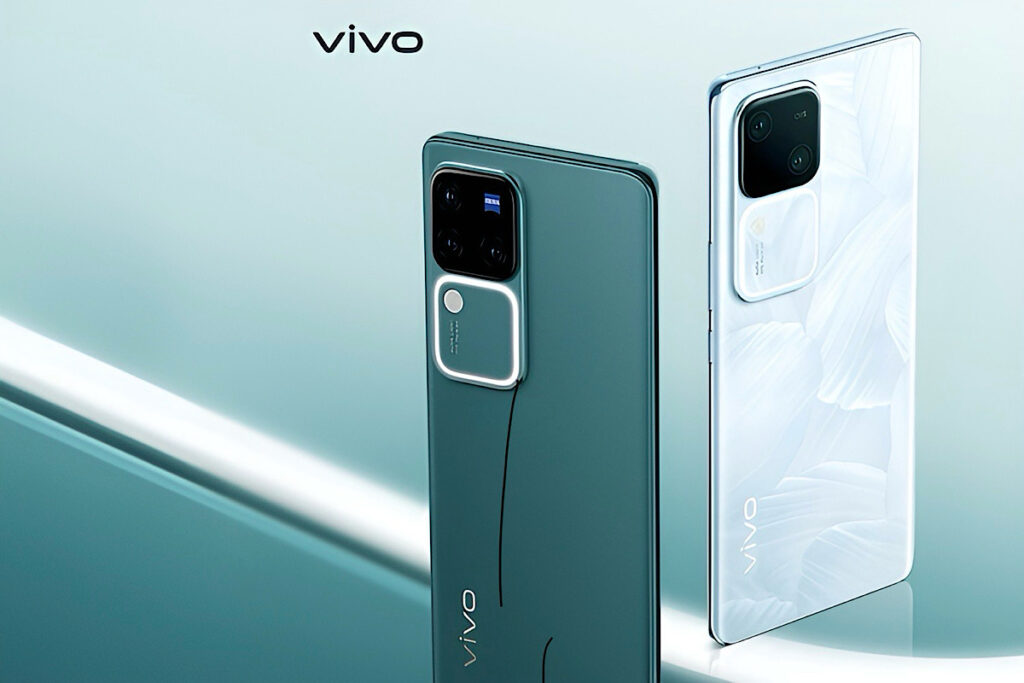
Vivo V30, once priced at around 6 million IDR (approximately $390), has now seen a significant price drop to about 3 million IDR ($195). This sharp decline has made the smartphone a highly attractive option for budget-conscious consumers looking for solid features. Although the Vivo V30 is no longer the latest model with the arrival of the Vivo V50, it remains a competitive device packed with advanced technology.
One of the most notable aspects of the Vivo V30 is its use of the Snapdragon 7 Gen 3 chipset. This same chipset is found in the newer Vivo V50 model, which is quite unique given the usual generational differences between device lines. The Snapdragon 7 Gen 3 SoC brings efficient performance and strong GPU capabilities, making both phones suitable for a variety of tasks such as gaming and multimedia consumption.
Price Comparison: Vivo V30 vs. Vivo V50
- Vivo V30: Approximately $195 (after price drop)
- Vivo V50: Nearly double the price of V30 at around $390
This price gap reflects the positioning of the two phones, with the V30 serving as a more affordable alternative offering similar processing power.
Despite its affordability, the Vivo V30 does not compromise on camera quality. It features a dual 50 MP wide-angle camera setup that delivers sharp and vibrant images, standing out in its price category. This makes the device appealing for photography enthusiasts who want a budget-friendly option without sacrificing photographic capabilities.
The Vivo V30 includes a 6.78-inch AMOLED display with a resolution of 2800 x 1260 pixels, slightly above Full HD+. The screen supports an adaptive refresh rate of up to 120 Hz, enhancing fluidity for animations and scrolling. Users can customize the refresh rate for individual apps, which helps optimize battery life while delivering smooth visuals where needed.
Sound-wise, the Vivo V30 offers a single speaker setup. While the audio volume is adequate for casual use, it may seem less impressive compared to other smartphones in the same range. To address this, the phone includes an Audio Booster feature that increases volume output by up to 150%, particularly useful during video or conference calls. Additional audio features such as per-app volume adjustment and audio redirection to Bluetooth devices improve the overall sound customization experience.
In summary, the Vivo V30’s price drop positions it as a compelling choice for buyers seeking a powerful smartphone at a reduced cost. Sharing the Snapdragon 7 Gen 3 chipset with the more premium Vivo V50 demonstrates Vivo’s strategy to bridge performance across different price segments. With solid camera specs, an AMOLED display with adaptive refresh rate, and audio enhancements, the Vivo V30 remains relevant despite the presence of newer models.
For users willing to spend less but still want up-to-date processing technology, the Vivo V30 available at Vivo Indonesia’s official store offers a balanced package. Its combination of performance and features reflects a competitive mid-range smartphone option in 2025.