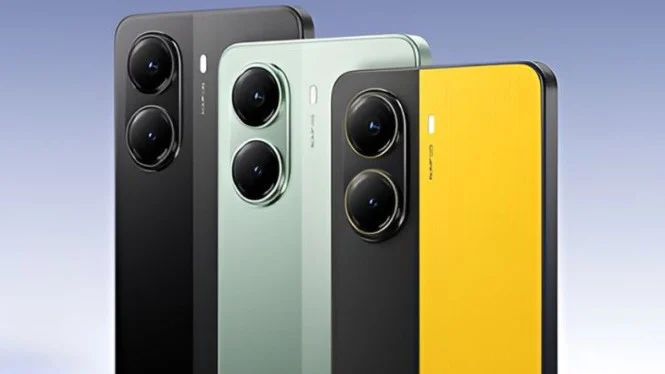
Xiaomi continues its unique marketing approach in Indonesia by releasing two smartphones with nearly identical specifications but under different brands. The Poco X7 and Redmi Note 14 Pro 5G exemplify this strategy by sharing most hardware features yet targeting different consumer preferences.
The Poco X7 is priced lower, around 3.9 million IDR (approximately $260), while the Redmi Note 14 Pro goes for about 4.3 million IDR ($290). This price difference reflects Xiaomi’s smart sales tactic where Poco is exclusively sold online, reducing distribution costs, while Redmi is available both online and offline.
Design and Build Similarities
Both devices are manufactured at the same SAT Nusapersada factory, indicating near-identical production lines. The design elements overlap significantly; the frame uses polycarbonate material with metallic looks, and the camera module layout resembles a fidget spinner. Both phones have the same ports and button placements, with Poco opting for a metallic and bold finish, and Redmi featuring a more subdued glass matte appearance. Included accessories like the 45W charger, USB cable, and protective casing come standard in both boxes.
Camera Differences and Capabilities
The main camera is the clearest differentiator. Poco X7 features a 50MP sensor with Optical Image Stabilization (OIS) and a wide aperture of f/1.5, aiding low-light photography. On the other hand, Redmi Note 14 Pro boasts a 200MP sensor with a shorter 23mm focal length, enabling wider frame shots. While the Redmi’s higher resolution allows for better 2x zoom cropping, Poco’s larger aperture provides competitive night photography results.
In daylight conditions, both phones capture images with comparable clarity. Video recording quality surprisingly favors Poco, which produces more vibrant and brighter footage indoors. Both suffer from occasional autofocus hesitation, a common issue noted earlier with Redmi models. Video stabilization and front camera quality (1080p at 60fps) are identical on both phones, delivering smooth video calls and vlogging experiences.
Performance and Display
Under the hood, both smartphones share the Mediatek Dimensity 7300 Ultra chipset along with similar RAM and storage configurations. Benchmark scores like AnTuTu reveal only a marginal 2000-point difference, effectively making their performance equivalent. Gaming tests, including Mobile Legends at 90fps, run smoothly and generate mild heat around 41-42°C for both phones. The quad stereo speakers also provide equal audio quality.
The display on both devices is a premium curved AMOLED panel safeguarded by Corning Gorilla Glass Victus 2. Screen brightness, resolution, and 120Hz refresh rate are the same, offering vibrant colors and fluid scrolling. Differences lie only in the user interface launcher—Poco’s is more rounded while Redmi’s features squarer elements—but both are fully customizable.
Sales Strategy and Consumer Choice
Xiaomi leverages differentiated sales channels to position these two devices. Poco’s online-only model allows for a cheaper retail price, targeting budget-conscious buyers who want strong performance. Meanwhile, Redmi’s wider availability appeals to customers who prefer offline shopping or prioritize camera capabilities. Both offer slightly varied colors and minor spec tweaks to expand consumer options.
Here’s a simple comparison summary:
| Feature | Poco X7 | Redmi Note 14 Pro |
|---|---|---|
| Price | ~$260 (3.9 million IDR) | ~$290 (4.3 million IDR) |
| Main Camera | 50MP, OIS, f/1.5 | 200MP, 23mm focal length |
| Processor | Dimensity 7300 Ultra | Dimensity 7300 Ultra |
| Display | Curved AMOLED 120Hz | Curved AMOLED 120Hz |
| Video Quality | More vibrant, brighter | Darker, higher contrast |
| Distribution | Online only | Online and offline |
The Poco X7 is the better pick for those focused on performance and affordability, while the Redmi Note 14 Pro suits users who prioritize ultra-high resolution photography and wider availability. Despite subtle differences, both phones deliver a solid mid-range experience, maintaining Xiaomi’s reputation for offering strong value across brands.