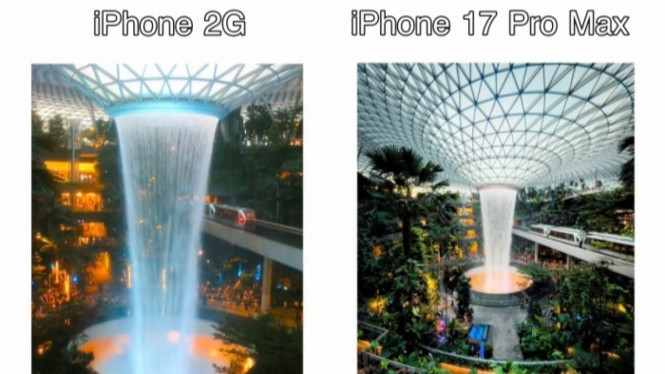
In an era dominated by cutting-edge smartphones like the iPhone 17 Pro Max, which boasts ultra-high resolution cameras and advanced imaging technologies, a surprising fascination has emerged for the humble 2-megapixel camera of the original iPhone 2G. Rather than competing purely on detail and clarity, the iPhone 2G camera offers a unique, nostalgic visual experience that many modern users find emotionally engaging. This preference illustrates a deeper quest for authenticity amid today’s hyper-polished digital images.
The iPhone 2G, released in 2007, introduced a whole new category of mobile devices with its capacitive multi-touch screen, yet its camera was modest by today’s standards. Featuring only 2 megapixels, no autofocus, and lacking flash, it captured images that were soft, grainy, and rich in character. Instagram user @thevisuallife_ exemplifies this trend by consistently showcasing iPhone 2G photos that evoke a vintage atmosphere often lost in contemporary photography’s quest for perfection.
Technological Contrast Between Then and Now
The iPhone 2G’s specs reflect its era: a 3.5-inch screen, ARM11 processor at 412 MHz, 128 MB RAM, up to 8 GB storage, and a battery capacity of 1,400 mAh. It lacked GPS, an App Store marketplace, and even modern network capabilities, supporting only 2G connections. Despite these limitations, its design was iconic, combining aluminum and black plastic with a curved back that enhanced grip and aesthetics. Priced between $499 and $599, it was expensive but revolutionary.
Today’s iPhone 17 Pro Max camera system pushes boundaries with multiple lenses, advanced sensors, and sophisticated AI processing to produce razor-sharp, vividly colored photos. Still, the iPhone 2G challenges the notion that higher resolution automatically equals better photography. The softer images it produces bring a sense of warmth and imperfection that strongly resonates with the human desire for emotional storytelling in photos.
Why Nostalgia Shapes Modern Photography
This renewed interest in the iPhone 2G’s camera is more than sentimental longing; it’s a reaction against the clinical precision of current technology. Photographic imperfection—including blur, grain, and limited dynamic range—offers a tactile memory-like quality. The shutter sound and response timing further enrich this experience, creating an intimate process often lost with instantaneous modern cameras.
In a world that overemphasizes megapixels and image enhancement, returning to the basics can be refreshing. The iPhone 2G’s visual character invites reflection on the emotional depth images can carry, not just technical excellence. This dynamic suggests that photographic value lies equally in the stories and feelings evoked as in pixel counts and sharpness.
Key Factors Behind the iPhone 2G’s Enduring Appeal
- Visual Texture and Atmosphere: Soft focus and grain provide a tangible sense of place and time.
- Simplicity of Use: Lack of autofocus and flash led to distinctive shooting styles.
- Design and Feel: The physical design contributed to a unique user experience.
- Historical Significance: As the progenitor of modern smartphones, it holds cultural importance.
- Emotional Connection: Users associate its images with memories and nostalgia.
Ultimately, the iPhone 2G’s modest 2MP camera transcends pure technical performance. It embodies the early spirit of smartphone photography—a balance of novelty, imperfection, and emotional expression. As technology advances, this perspective reminds us that image quality alone does not define photographic artistry. Instead, the stories, emotions, and human elements captured remain essential.