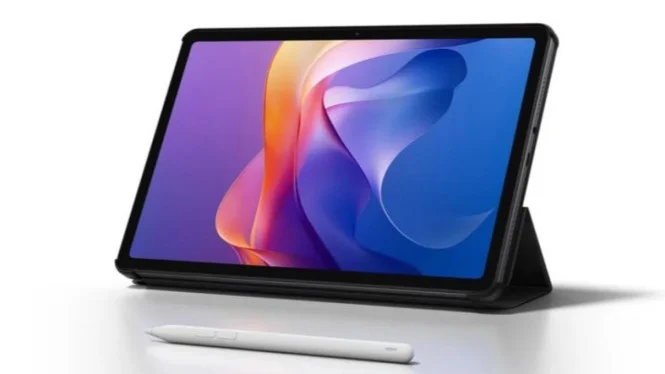
Samsung Galaxy Tab A11 and Xiaomi Redmi Pad 2 are two popular tablets competing in the mid-range segment in 2026. Both offer distinct advantages suited to different user needs, making the choice between them a bit challenging. This article compares these tablets focusing on portability, battery life, performance, storage, and additional features to help you decide.
The Galaxy Tab A11 features a compact 8.7-inch screen. Its smaller size makes it highly portable and ideal for users who prioritize mobility or want a tablet for children. In contrast, the Redmi Pad 2 has a larger 11-inch display, enhancing entertainment experiences like watching movies or gaming, although it sacrifices portability for screen real estate. Both tablets share a 90Hz refresh rate, ensuring smooth visuals, but the choice depends on whether you value compactness or immersive viewing.
Performance and Processing Power
Samsung equips the Tab A11 with a MediaTek Helio G99 chipset that handles daily tasks like browsing and streaming smoothly while being energy efficient. The Redmi Pad 2, powered by the Helio G100 Ultra, delivers slightly better performance, particularly for gaming and light editing. Xiaomi’s HyperOS 2 further optimizes system responsiveness, offering a smoother multitasking experience. Despite this, for casual users, the performance gap may not be very noticeable.
Battery Capacity and Endurance
A significant difference lies in their battery capacities. The Galaxy Tab A11 uses a standard battery suitable for its 8.7-inch size, supporting a full day of typical use without problems. The Redmi Pad 2 stands out with its large 9,000 mAh battery, enabling up to two days of moderate usage. This robust endurance advantage makes the Redmi Pad 2 a strong contender for users who prioritize long-lasting battery life.
Storage Options
The Tab A11 provides 64 GB of internal storage, which might feel restrictive but can be expanded with a microSD card up to 2 TB. Samsung’s conservative internal storage approach is balanced by flexible expansion options. Xiaomi’s Redmi Pad 2, on the other hand, starts with 128 GB of built-in storage, catering to users who install many apps or games without immediate need for extra storage. It also supports microSD expansion, allowing even larger storage capacity.
Additional Features and Build Quality
Samsung adds value with an IP52 rating, offering limited protection against dust and water, and impressively guarantees software updates for up to seven years, ensuring long-term usability. Meanwhile, the Redmi Pad 2 excels in multimedia with four Dolby Atmos-enabled speakers, delivering rich and immersive audio. Its metal body design also adds to its premium feel, even at a budget price point. Both tablets offer WiFi and 4G versions but do not support 5G connectivity in this price segment.
Price and Overall Value
The Galaxy Tab A11 starts at approximately $130 for the WiFi-only model, with the 4G variant around $155. Its long-term software support enhances its value proposition for budget-conscious buyers seeking longevity. The Redmi Pad 2 is priced around $155, offering a larger screen and a substantial battery capacity for a slightly higher cost. Both tablets present strong value but cater to different priorities: portability and software support for the Tab A11, and screen size plus battery life for the Redmi Pad 2.
Summary Table for Quick Comparison
| Feature | Samsung Galaxy Tab A11 | Xiaomi Redmi Pad 2 |
|---|---|---|
| Display Size | 8.7 inches | 11 inches |
| Refresh Rate | 90Hz | 90Hz |
| Chipset | MediaTek Helio G99 | MediaTek Helio G100 Ultra |
| Battery Capacity | Standard (~typical for size) | 9,000 mAh |
| Internal Storage | 64 GB | 128 GB |
| Storage Expansion | microSD up to 2 TB | microSD supported |
| Water Resistance | IP52 rating | No official rating |
| Speakers | Stereo | Four speakers with Dolby Atmos |
| Software Updates | Up to 7 years | Standard |
| Price (USD) | Starting at $130 | Around $155 |
Choosing between the Samsung Galaxy Tab A11 and Xiaomi Redmi Pad 2 depends largely on your lifestyle and priorities. If you need a compact tablet with exceptional software longevity and sufficient performance for everyday tasks, the Tab A11 fits well. Conversely, if you prefer a larger screen, outstanding battery life, and better multimedia capabilities, the Redmi Pad 2 is an excellent choice within a similar budget. Both models deliver solid value for their price points and remain competitive options in the 2026 mid-range tablet market.