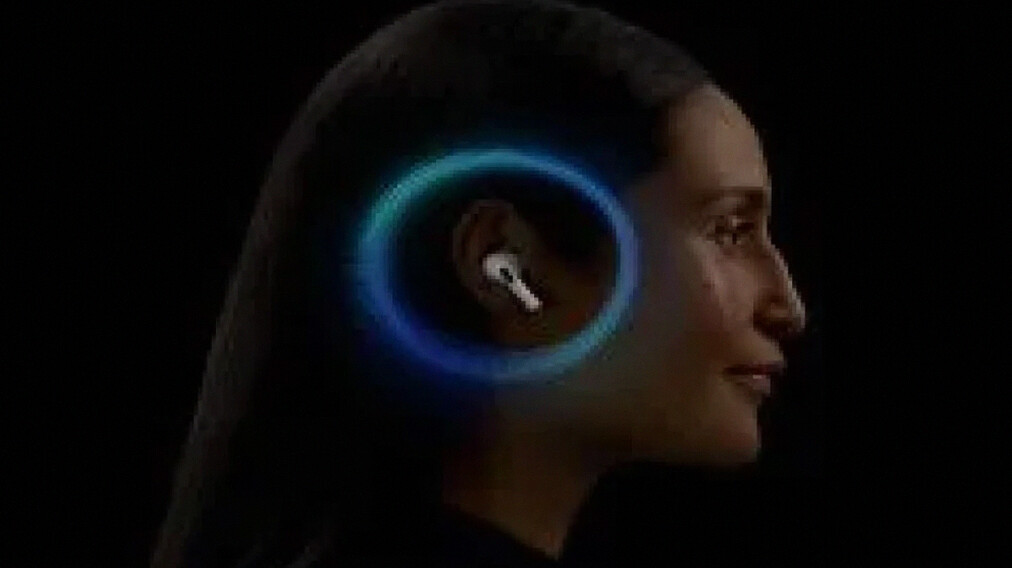
OpenAI is preparing to enter the wearable tech market with an innovative AI-powered earphone called “Sweet Pea.” This device aims to compete directly with Apple’s AirPods while introducing a new era of smart personal gadgets.
Unlike OpenAI’s previous focus on AI software, Sweet Pea brings artificial intelligence closer to users by integrating it into a wearable device. This move follows OpenAI’s acquisition of the design firm io hardware for $6.5 billion in May 2024, which was led by the acclaimed designer Jony Ive. Ive, famous for crafting iconic Apple products like the iPhone and MacBook, is the mastermind behind Sweet Pea’s unique design.
Distinctive Design Tailored for AI Performance
Sweet Pea breaks away from the typical wireless earbud shape. The main unit resembles a metal pebble, paired with two capsule-shaped modules that rest behind the ear. This design offers more physical space to embed powerful high-performance chips.
This form factor is essential to house advanced components, enabling Sweet Pea to run AI processes on-device instead of relying solely on cloud connectivity. As a result, it can perform complex tasks locally, enhancing speed and privacy.
Advanced 2-Nanometer Processor Enables On-Device AI
One of Sweet Pea’s key features is a cutting-edge 2-nanometer processor. This manufacturing technology is highly advanced, yielding high processing power with lower energy consumption. Thanks to this chip, most AI computations occur internally.
Performing AI tasks on-device ensures faster response times while reducing dependency on external servers. It also significantly improves user privacy, since sensitive voice data no longer needs to be sent constantly to the cloud.
Built-in Smart Microphone and Camera for Context Awareness
Sweet Pea incorporates microphones and cameras that continuously monitor the wearer’s environment. This enables the AI to understand contextual cues and proactively assist the user. For instance, it can offer relevant suggestions or information without requiring trigger phrases like “Hey” or “OK.”
Such features promise a natural, seamless interaction experience, where the earphones act as a personal assistant constantly attentive to the user’s everyday needs.
Potential to Replace Key Smartphone Functions
OpenAI envisions Sweet Pea as more than just an audio device. Users will be able to control applications, access digital services, and communicate solely through voice commands. This capability proposes the device as an all-day AI companion.
If successful, Sweet Pea might redefine how people interact with technology, making smartphones less central by integrating many functions into wearable AI.
Release Target and Ambitions
The current plan is to launch Sweet Pea by September 2028. OpenAI aims to ship between 40 and 50 million units in the first year. Nonetheless, this timeline is subject to change, given the complexities involved in perfecting AI and hardware technology.
Challenging AirPods and Shaping the Future of Wearables
Sweet Pea’s debut would challenge Apple’s AirPods dominance in the wireless earphone market, which is backed by a strong ecosystem and seamless iPhone integration. However, leveraging Jony Ive’s design expertise combined with OpenAI’s AI innovations could provide a standout user experience.
Ultimately, Sweet Pea highlights a paradigm shift where wearable devices evolve beyond audio gadgets into intelligent companions embedded with artificial intelligence. OpenAI’s move signals a new chapter in global tech competition, expanding from software into smart hardware that users can wear daily.