


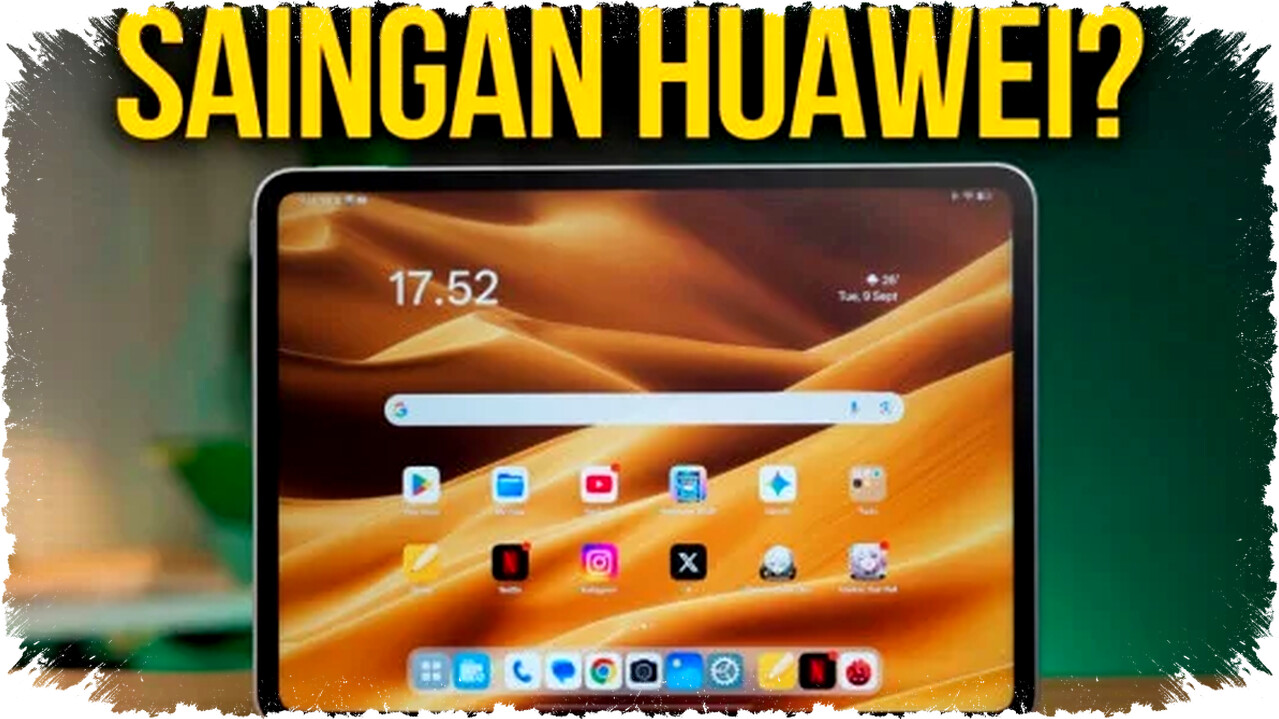
Oppo enters the premium tablet market in Indonesia early 2026 with a compelling offering. The Oppo Pad 3 Matte Display Edition boasts an anti-glare screen, a feature long favored in Huawei’s high-end tablets. Its distributor price is set at approximately Rp 8.5 million, or about $550, lowering the entry barrier compared to its predecessor, Oppo Pad 2, which retailed around Rp 9.5 million ($615). This price drop signals a stronger value proposition for consumers seeking affordable premium tablets.
The standout feature of the Oppo Pad 3 is undoubtedly its matte display. This screen minimizes reflections, making it ideal for use in bright indoor environments or outdoors. Oppo equips the 12.7-inch LCD panel with a high refresh rate of 144 Hz and offers a broad color gamut coverage of 97.4% DCI-P3. Such specs cater well to professionals working in photo and video editing, providing vibrant colors and smooth visuals.
High-Performance MediaTek Chipset
Underneath the hood, the tablet runs on the MediaTek Dimensity 8350 chipset. This processor achieves an AnTuTu benchmark score of around 1.4 million points, outperforming the Dimensity 9000 found in the previous model. This enhanced raw power translates into capable multitasking with features like split-screen and floating windows running seamlessly. Users can switch between apps smoothly without noticeable lag.
Memory and storage configurations further support efficient performance. The balance between RAM and internal storage ensures responsiveness during intensive tasks, whether for productivity or multimedia consumption. The device also handles light to moderate gaming with ease, making it versatile enough for entertainment needs alongside work.
Seamless Integration Within Oppo’s Ecosystem
One of Oppo Pad 3’s main advantages is its tight integration with Oppo’s broader device ecosystem. Multi Screen Connect enables screen mirroring from an Oppo smartphone to the tablet, facilitating fluid interactions across devices. Moreover, drag-and-drop file transfers are streamlined between connected Oppo hardware, enhancing workflow convenience.
The tablet ships with ColorOS 15 based on Android 15. It incorporates built-in AI tools tailored for photo editing and automatic caption generation, simplifying creative tasks. Furthermore, O+ Connect technology extends compatible file transfer capabilities beyond Oppo devices to Apple products, broadening interoperability.
Stylus and Accessories Support
Oppo Pad 3 continues to support the first-generation Oppo Pen stylus. This accessory offers pressure sensitivity and attaches magnetically to the tablet’s side, providing a natural drawing and note-taking experience. Users often report the stylus mimics the subtle sound of pen on paper, enriching the tactile feedback.
However, there are some accessory compatibility issues. The keyboard cover designed for the Pad 2 model does not fit the Pad 3 due to differences in magnet placement and size. Also, the keyboard accessory must be purchased separately, as it is not bundled. Additionally, the absence of a fingerprint sensor may concern users prioritizing device security.
Battery Life and Charging Technology
Battery capacity supports moderate use for two to three days on a single charge. Charging is expedited by the 67W SuperVOOC fast charging system, reducing downtime significantly. This is a notable improvement for users needing rapid power top-ups during busy schedules.
The front-facing 8 MP camera suits video calls with decent image quality under well-lit conditions, while dual stereo speakers on either side provide ample sound volume and clarity. These audio features enhance entertainment consumption, making the Pad 3 suitable for streaming movies and music.
Competitive Edge Against Huawei in 2026
The Oppo Pad 3 Matte Display Edition positions itself as a strong contender in the premium Android tablet segment at the outset of 2026. Priced roughly at $550, it challenges Huawei’s offerings by emphasizing anti-reflective screen technology, robust performance, and versatile accessories. Oppo’s continuous software updates and ecosystem synergy reinforce its appeal.
Key specifications at a glance:
- Display: 12.7-inch LCD Matte Display, 144 Hz refresh rate, 97.4% DCI-P3 color gamut
- Processor: MediaTek Dimensity 8350, ~1.4 million AnTuTu score
- Memory & Storage: Balanced RAM/storage tailored for multitasking and gaming
- Operating System: ColorOS 15 based on Android 15 with AI editing tools
- Accessories: Oppo Pen support, keyboard sold separately
- Battery & Charging: 2-3 days usage, 67W SuperVOOC fast charging
- Camera & Audio: 8 MP front camera, stereo speakers
Oppo’s strategic price setting and feature package create an enticing option for consumers who desire premium tablet traits without premium prices. The integration within Oppo’s ecosystem and compatibility with Google Play Store amplify its usability beyond isolated hardware functions.
This tablet exemplifies how market competition shapes innovation and pricing, ultimately benefiting end-users. Oppo’s move to challenge Huawei early in 2026 marks a significant shift in Indonesia’s premium tablet landscape.