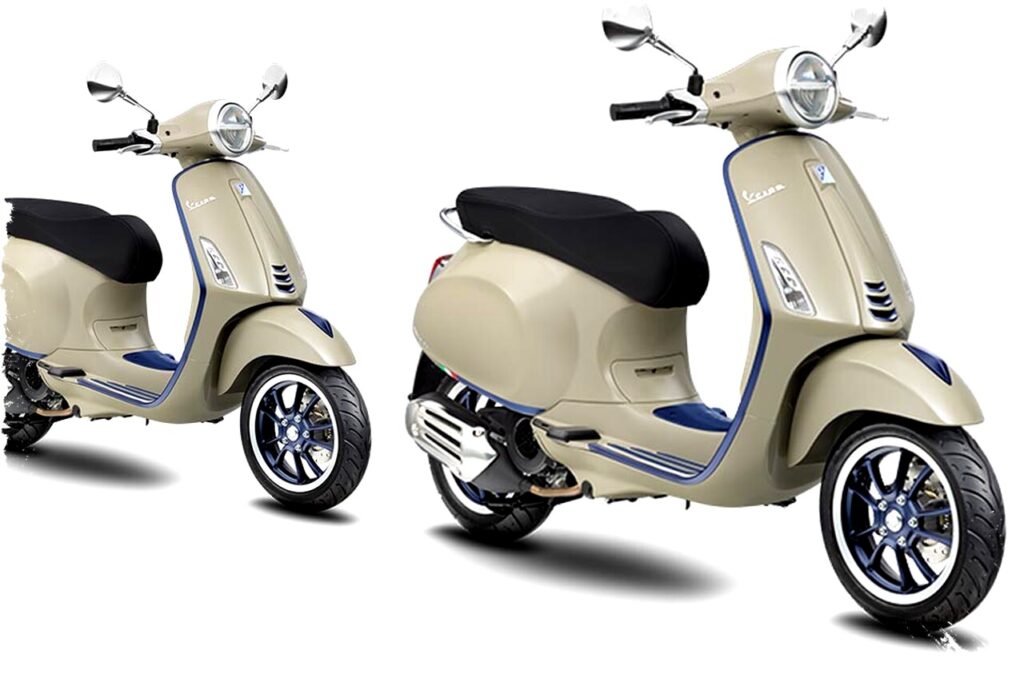
Buying a used Vespa automatic scooter can be a cost-effective option for those who want style and function without stretching their budget. However, a smooth and shiny body on the scooter is not a guaranteed proof that the machine is in great condition. Many buyers mistake a flawless exterior as a sign of overall good quality, which often leads to costly repairs after purchase.
The engine should be the primary focus during inspection since it is the core of the vehicle’s performance. A used Vespa with a troublesome engine will frequently require visits to the mechanic, resulting in additional expenses. Therefore, before making any purchase, it is essential to thoroughly check the engine to ensure it operates normally.
1. Engine and Transmission Check
Start with a detailed assessment of the engine’s performance. Turn the key and listen for any abnormal noises such as knocking or excessive rattling. Then, observe the scooter at idle and acceleration; the engine should respond smoothly without hesitation or sputtering.
Most Vespa automatic scooters use a Continuously Variable Transmission (CVT). This part needs careful examination because CVT significantly affects riding comfort and power delivery. To test the CVT, ride the scooter at slow speeds and pay attention to how smoothly it accelerates. A healthy CVT allows for a seamless and steady acceleration. Conversely, if the scooter feels jerky or shaky during low-speed movement, it could indicate CVT wear or malfunction.
2. Suspension and Braking System
Next, inspect the scooter’s suspension system. Push down on the front and rear shocks to judge their responsiveness. If the scooter bounces excessively or feels unstable, the suspension might be worn out, negatively impacting safety and ride quality.
Check the brakes thoroughly. Pull the brake levers and feel for consistent resistance and effectiveness. Worn brake pads or malfunctioning braking components require immediate replacement for safe riding.
3. Electrical Components
Electrical issues are common in older scooters, so inspect all electrical systems. Turn on the headlight, indicators, and horn to verify their functionality. Non-working lights or unreliable electrical parts can indicate deeper wiring problems, which may be costly to fix.
4. Body and Paintwork Inspection
While the focus should be on mechanical parts, it is still important not to neglect the body condition. Examine the paint closely for any irregularities in color shade or texture. Uneven or mismatched paint could suggest previous accidents or repairs. Signs of repainting might represent hidden damage underneath.
Run your fingers along the frame looking for dents, cracks, or rust spots that might compromise the structural integrity of the scooter.
5. Verification of Vehicle Documents
Legal matters are as important as physical checks. Verify the Vehicle Identification Number (VIN) or frame number on the scooter matches the number on the registration documents and ownership papers. Any mismatch can lead to legal complications later on.
Also, make sure the scooter has a clean title without liens or pending fines. This ensures the legality of ownership transfer and avoids future disputes.
Summary: Steps to Safely Buy a Used Vespa Automatic
- Start with a comprehensive engine test to ensure smooth operation.
- Ride the scooter slowly to evaluate CVT condition and acceleration quality.
- Check suspension and braking systems for safety performance.
- Inspect electrical components for functionality.
- Examine body paint for inconsistencies indicating past damage.
- Verify the vehicle’s frame and engine numbers against official documents.
By following these steps, buyers can avoid common pitfalls that come with purchasing a used Vespa automatic scooter. Buyers who rely solely on the scooter’s aesthetic appeal risk investing in a vehicle with hidden mechanical problems. Thorough inspection of mechanical, electrical, and legal aspects will safeguard buyers from potential losses.
Used Vespa scooters represent an appealing blend of vintage style and practical urban commuting. With careful checks on the factors listed above, buyers can enjoy the essence of Italian design combined with reliable transportation. Always consider carrying a trusted mechanic or knowledgeable friend when inspecting a used scooter for a second opinion.
Purchasing from reputable dealers or verified sellers that offer warranties or service guarantees can also enhance buying confidence. This approach minimizes unexpected costs and improves overall satisfaction with the scooter.
Investing time and attention before sealing the deal ensures the used Vespa you choose not only looks great but also performs reliably for years to come.