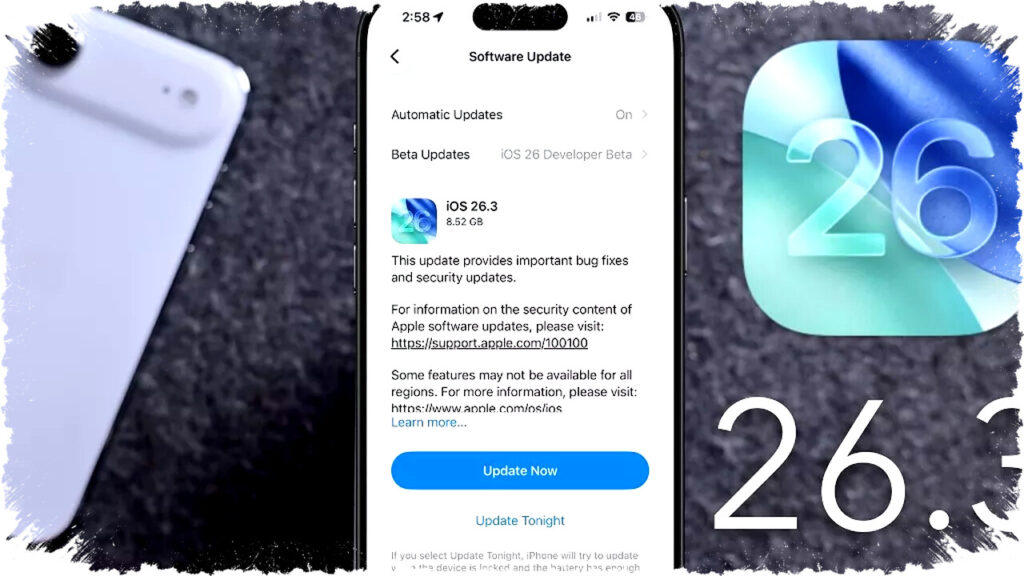
Apple has officially released iOS 26.3, a software update that, at first glance, might appear minor. However, this version brings several important enhancements targeting system stability, privacy controls, and preparations for future technology features.
Instead of focusing on eye-catching additions, Apple has prioritized performance improvements and infrastructure readiness. This update operates mostly behind the scenes but significantly improves everyday user experience.
Simplified iPhone to Android Data Transfer
One of the most notable new features in iOS 26.3 is the ability to transfer data directly from an iPhone to an Android device. Previously, switching from iOS to Android was complicated and involved many manual steps like disabling services such as FaceTime and Messages, plus connecting devices with cables.
The new process is much simpler: users can go to Settings > General > Transfer or Reset iPhone and select "Move to Android." The transfer then proceeds wirelessly by bringing the devices close to each other, following on-screen instructions.
This feature supports transferring photos, contacts, messages, and some apps without needing third-party apps. Apple’s move reflects its recognition that users value the flexibility to switch ecosystems without technical barriers.
Enhanced Privacy Controls with Location Precision Limits
Alongside data transfer improvements, Apple has introduced stricter privacy options, notably the “Limit Precise Location” setting. This feature restricts the accuracy of location data shared with cellular carriers.
When enabled, carriers receive only general location information such as city or region rather than the user’s exact address. Emergency services remain exempted, able to access precise location when necessary.
Currently, this option is available on select devices like the iPhone 16e and iPhone Air, supported by carriers including Boost Mobile in the United States. Apple has also redesigned the privacy settings menu for clarity, helping users better understand app permissions and data sharing at a glance.
Visual Updates Make Customization More Engaging
iOS 26.3 brings visual refinements that enhance personalization options. The wallpaper gallery now categorizes themes like Weather and Astronomy separately, making browsing faster and more intuitive.
The Weather category includes dynamic backgrounds that change according to local weather conditions. Moreover, font styles and widget layouts have been refreshed for a cleaner, more modern look that improves readability.
Though these visual changes might seem cosmetic, many users appreciate their contribution to a more comfortable and personalized interface over extended use.
Technological Foundations for Upcoming Features
Beyond visible changes, the update lays groundwork for future capabilities. Developer beta versions reveal early support for third-party accessory notification forwarding and cellular carrier infrastructure enhancements.
Notably, references to encrypted RCS (Rich Communication Services) messaging support have appeared in the code. While this feature is inactive in the public release, its presence suggests Apple is preparing to enable more advanced messaging technologies in upcoming updates.
Apple’s approach typically involves building foundational technologies in advance, ensuring that new features are stable and well-integrated prior to public release.
Summary of Key New Features in iOS 26.3
- Direct wireless data transfer from iPhone to Android without third-party apps
- Limit Precise Location setting to control location data accessibility for carriers
- Improved privacy settings interface for better transparency and ease of use
- Wallpaper gallery reorganization and dynamic weather backgrounds
- Updated font and widget designs for enhanced readability
- Underlying support for encrypted RCS messaging and accessory notifications
In essence, iOS 26.3 emphasizes subtle yet meaningful enhancements. Apple focuses on optimizing privacy, smoothing cross-platform transitions, refining visuals, and reinforcing the software architecture for future innovations.
These improvements may not drastically change how users interact with their iPhones day-to-day. However, continuous small upgrades like these contribute greatly to a safer, more versatile, and user-friendly mobile experience.
For users considering switching phones, the new data transfer feature significantly eases moving to Android. Privacy-conscious individuals will benefit from more granular control over location data, adding confidence in data security.
With iOS 26.3 now rolling out, Apple demonstrates a strategic shift toward mature development balancing practicality, privacy, and groundwork for the next wave of mobile features.