
Android technology is evolving rapidly, driven by manufacturers eager to push boundaries beyond what current devices offer. Many innovative features are poised to transform user experience, focusing on battery life, artificial intelligence, photography, and design. These breakthroughs aim to address longstanding limitations while redefining what smartphones can achieve in everyday use.
Several key advancements are anticipated to hit the market soon, promising enhanced efficiency and usability. From revolutionary energy storage methods to smarter AI assistants, upcoming Android innovations will raise the bar for mobile technology and user expectations.
1. Silicon-Carbon Batteries for Longer Use
Battery technology remains a critical challenge for mobile devices. The introduction of silicon-carbon anodes marks a significant leap forward beyond conventional lithium-ion cells. These new batteries offer much greater energy density, allowing phones to hold more charge without increasing size or weight. This technology could enable devices that last multiple days on a single charge, minimizing the need for frequent recharging.
Industry studies indicate silicon-carbon batteries also improve charging speed and longevity. The enhanced durability reduces battery degradation over time, extending overall device lifespan. Such improvements will help users rely more confidently on their smartphones throughout the day without anxiety over running out of power.
2. Autonomous AI Management
Artificial intelligence integration on Android smartphones is evolving towards proactive, hands-free operation. While current assistants respond to direct commands, future AI is expected to anticipate user needs independently. For instance, devices may automatically adjust app settings, organize schedules, or handle service bookings without prompt intervention.
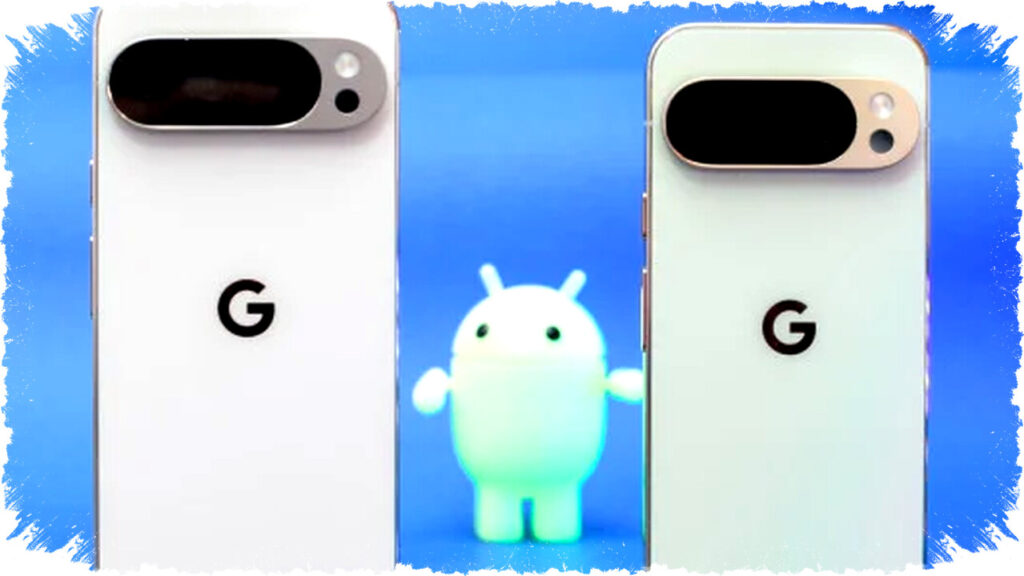
This shift involves AI learning continuous behavioral patterns and contextual cues to execute tasks seamlessly. Google’s Pixel 10 development reportedly includes such advanced AI capabilities, signaling a new era of device autonomy. These smart systems promise reduced user interaction while enhancing productivity and convenience.
3. Advanced Photography with 15x Optical Zoom
Mobile photography enthusiasts often seek powerful zoom capabilities without sacrificing image quality. After the industry peak of 10x optical zoom, recent trends leaned towards lower magnification, disappointing some users. The anticipated comeback of a pure 15x optical zoom lens will fill this gap.
This upgrade allows capturing faraway subjects with remarkable detail, opening new possibilities for landscape, wildlife, and architectural photography. Maintaining image clarity at high zoom levels requires precise lens engineering and sensor optimization. If successfully implemented, this feature will greatly enrich creative options for Android users.
4. Secondary E-Paper Displays
E-paper screens, known for low power consumption and excellent readability in bright conditions, offer practical benefits when integrated as a secondary display on smartphones. Such displays provide a convenient way to read e-books, check notifications, or view simple widgets without waking the main OLED screen, which consumes considerably more energy.
Devices like the Onyx Boox Palma prototype demonstrate the utility of e-paper in mobile form factors. Android manufacturers are exploring ways to incorporate e-paper as a back-panel feature, enhancing battery efficiency while delivering new interaction modes. This approach could revive long-standing ideas about dual-screen productivity.
5. Portless Phone Design
The trend towards eliminating physical connectors is gaining momentum. With rapid wireless charging advancements and stable wireless data transfer protocols, smartphones may soon dispense entirely with traditional ports. Portless devices offer sleek aesthetics and reduce vulnerability to dust and water ingress, increasing durability.
Removing charging and headphone jacks improves the sealing of device enclosures, enabling higher IP ratings for water and dust resistance. This change also simplifies device design, potentially lowering manufacturing complexities. Early prototypes indicate many consumers view portless designs as the future standard for premium smartphones.
Impact on the Mobile Industry Landscape
These emerging technologies promise to intensify competition among Android manufacturers like Samsung, Google, and others. Consumers increasingly prioritize real-world functionality alongside specifications. Successfully integrating these innovations could shift industry standards and redefine what constitutes a flagship device.
As hardware and software continue to evolve, Android phones will become more energy efficient, intelligent, and user-centric. Buyers can expect future devices to not only perform better but actively enhance their daily routines with minimal effort. Keeping pace with these advancements will prove vital for smartphone makers striving to remain relevant in a crowded market.
In summary, the near future holds exciting possibilities for Android smartphones through:
- Enhanced silicon-carbon battery technology enabling longer lasting and faster charging.
- AI assistants that autonomously manage apps and user needs.
- Powerful 15x optical zoom lenses for superior mobile photography.
- Secondary e-paper displays optimizing power use and usability.
- Totally portless designs raising durability and aesthetics.
These innovations will likely converge to provide users with devices that are smarter, more robust, and better tailored to evolving demands. Monitoring their development and adoption will be essential for anyone interested in upcoming mobile technology trends.