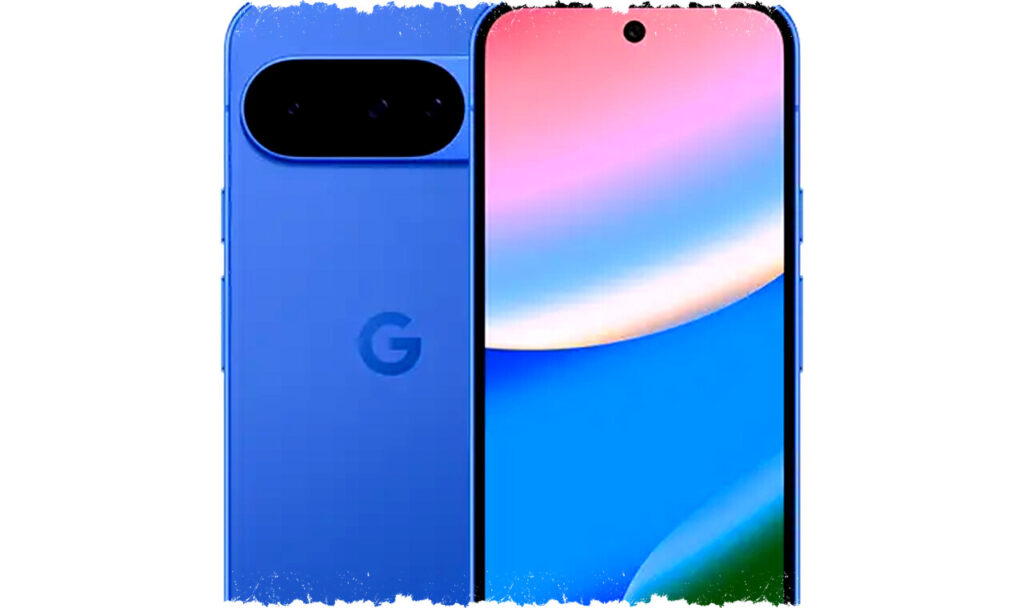
Google has officially launched the Pixel 10a, marking a significant step in its mid-range smartphone lineup. This new Pixel model focuses heavily on AI-powered camera enhancements and promises extended battery life, aiming to deliver premium features at a more accessible price point.
The Pixel A series has long been recognized as Google’s value flagship option, blending advanced software capabilities with cost-effective hardware. The Pixel 10a continues this strategy, emphasizing smart AI-driven photography and efficient power management rather than relying solely on raw processing power.
AI Photography as the Core Upgrade
Photography remains the Pixel line’s most celebrated feature, thanks to Google’s machine learning prowess. The Pixel 10a takes this further by integrating advanced AI algorithms that improve image sharpness, color accuracy, and dynamic exposure balancing. These enhancements aim to produce natural-looking photos under diverse lighting conditions, including low light and nighttime scenes.
The AI is also designed to optimize object recognition and automatic exposure control, delivering consistent, high-quality shots without requiring manual adjustments. This approach highlights Google’s reliance on intelligent software refinement to compete effectively against rivals offering larger camera sensors or multiple lenses.
Battery Life Extended Up to 30 Hours
Another major highlight is the Pixel 10a’s battery endurance. Google claims that the phone can last up to 30 hours on a single charge. Although the company has yet to specify if this figure refers to typical usage patterns, combined activity, or a specific power-saving mode, such longevity would appeal to users who need reliable all-day performance.
This improvement likely stems from both hardware optimization and AI-driven software management, which precisely regulates power consumption. If real-world usage reflects these claims, the Pixel 10a would stand out in a crowded market where battery life is a key purchasing factor.
Pricing Strategy and Market Positioning
One hot topic among consumers and analysts is whether Google will price the Pixel 10a lower than its predecessor. Early signals suggest the company might set a more aggressive price to increase market share, particularly in price-sensitive regions like Southeast Asia.
Historically, Pixel A models balance features and affordability well but haven’t attained the same popularity as some competitors. A reduced price could make the Pixel 10a a stronger contender against brands offering high-refresh-rate displays, powerful processors, or large batteries at similar costs. Conversely, maintaining a higher price without matching hardware upgrades could limit its appeal amid fierce mid-range competition.
Challenges in the Mid-Range Segment
The mid-range smartphone market remains one of the toughest battlegrounds in the industry. Consumers are increasingly savvy, often seeking a balanced package that includes performance, display quality, battery capacity, and gaming stability.
While Pixel 10a’s AI software is a notable differentiator, some users might prioritize raw chipset performance or adaptive refresh rates. This means Google faces the challenge of satisfying a diverse audience, ranging from casual users to mobile gamers, all with varied expectations.
Google’s Long-Term AI Ecosystem Vision
The release of Pixel 10a reflects Google’s broader strategy to democratize AI technology across its devices. Features once exclusive to higher-end models are now integrated into mid-tier phones, broadening the reach and adoption of intelligent functionalities.
By embedding AI into more everyday devices, Google positions itself to expand data-driven services and refine machine learning models based on wider user interaction. This strategy aligns with similar moves by competitors, such as realme’s LumaColor IMAGE feature, showing an industry-wide shift toward software-centered innovation.
Key Features of Pixel 10a at a Glance
- Enhanced AI-powered camera processing for sharper and more natural photos.
- Up to 30 hours of claimed battery life per full charge.
- Focused software optimization for efficiency and usability.
- Potentially lower price to expand market penetration.
- Integration of flagship-level AI technologies in a mid-range device.
Reports from tech outlets like Gizmologi highlight that while AI improvements could give the Pixel 10a a competitive edge, the phone’s success will depend heavily on balancing pricing, performance, and feature set. A well-priced device with superior AI capabilities could attract consumers looking for smart, reliable smartphones rather than just top-tier specs.
Google’s Pixel 10a launch underscores the current evolution of smartphone competition, where intelligent software solutions and power management increasingly define user experience. If Google manages to deliver on its promises, the device could become one of the most attractive options in the mid-range category throughout this year.