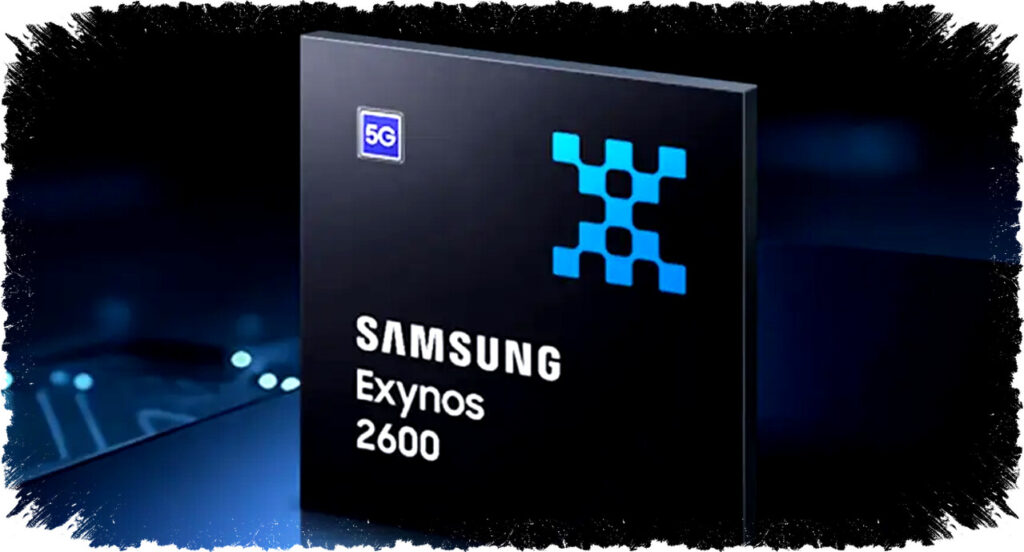
Samsung’s latest chipset, the Exynos 2600, has achieved impressive ray tracing scores in early testing on prototype Galaxy S26 devices. These results suggest a significant boost in graphical performance compared to previous Exynos models.
Ray tracing is a graphics rendering technique that simulates realistic light behavior to create accurate shadows, reflections, and lighting effects. It has become a crucial feature for mobile GPUs as smartphones increasingly deliver console-level gaming experiences.
GSMArena’s reports highlight that synthetic benchmarks focusing on hardware ray tracing capabilities showed a marked improvement with Exynos 2600. Although these benchmark numbers stem from internal tests not yet officially confirmed by Samsung, they point to a substantial leap over earlier Exynos chipsets.
Integration of AMD’s RDNA Architecture
The Exynos 2600 reportedly incorporates the latest AMD RDNA-based GPU architecture. Samsung first introduced this collaboration with AMD in its Exynos 2200 and continued to refine it in the Exynos 2400. This partnership aims to enhance GPU capabilities on flagship mobile processors.
Samsung’s strategy centers on integrating hardware-accelerated ray tracing into their SoCs. This approach moves beyond software simulation, increasing rendering efficiency and delivering higher-quality visuals. The Galaxy S26, expected as the first device with the Exynos 2600, is planned for launch in early 2027.
Strategic Importance for Samsung’s Flagship Line
Historically, Samsung has offered two chipset variants for its flagship Galaxy S series: Exynos chips for certain markets and Qualcomm Snapdragon processors elsewhere. Recent reports indicate Samsung’s push to make Exynos more globally competitive by boosting performance, especially graphics capabilities.
The higher ray tracing performance of Exynos 2600 can directly impact mobile gaming quality. Developers adapting engines such as Unreal Engine and Unity are already supporting ray tracing features for capable mobile hardware. This means players could soon experience console-grade visual fidelity on phones equipped with this chipset.
Key Benefits Beyond Gaming
Aside from gaming, ray tracing support has broader applications in augmented reality (AR) and various visual computing tasks. Samsung has been emphasizing advancements in AI, GPU, and neural processing within its chipsets to drive innovations in real-time visual effects and computational photography.
Modern chipsets like Exynos 2600 not only focus on CPU power but also include powerful GPUs and neural processing units (NPUs). These help support emerging trends like AI generative content, enhanced image processing, and more immersive AR experiences.
Challenges in Mobile Ray Tracing
Ray tracing requires significant computational resources, challenging mobile devices with limited battery and thermal budgets. Efficient power and heat management remain critical for practical real-world use of ray tracing on smartphones.
Performance in retail devices depends heavily on software optimization and thermal solutions. While early benchmark data is promising, final device performance will reveal the true extent of Exynos 2600’s capabilities in daily use.
Summary of Exynos 2600’s Key Features
- Utilizes AMD RDNA GPU architecture with hardware ray tracing support
- Demonstrates higher ray tracing benchmark scores than previous Exynos generations
- Powers Samsung Galaxy S26, slated for a 2027 release
- Supports advanced gaming engines optimized for ray tracing effects
- Enhances AR and visual computing applications via improved GPU and AI units
- Balances performance improvements with mobile energy efficiency challenges
Samsung has not yet released full technical details or a formal confirmation on the Exynos 2600’s specs and Galaxy S26 integration. However, the chipset’s benchmarking success indicates ongoing commitment to elevating Samsung’s flagship SoC competitiveness worldwide.
If Samsung can deliver the real-world graphics and gaming performance hinted at by these early ray tracing scores, the Exynos 2600 may become a pivotal advancement. It could set new standards for premium smartphone graphics and elevate the mobile gaming experience to new heights.