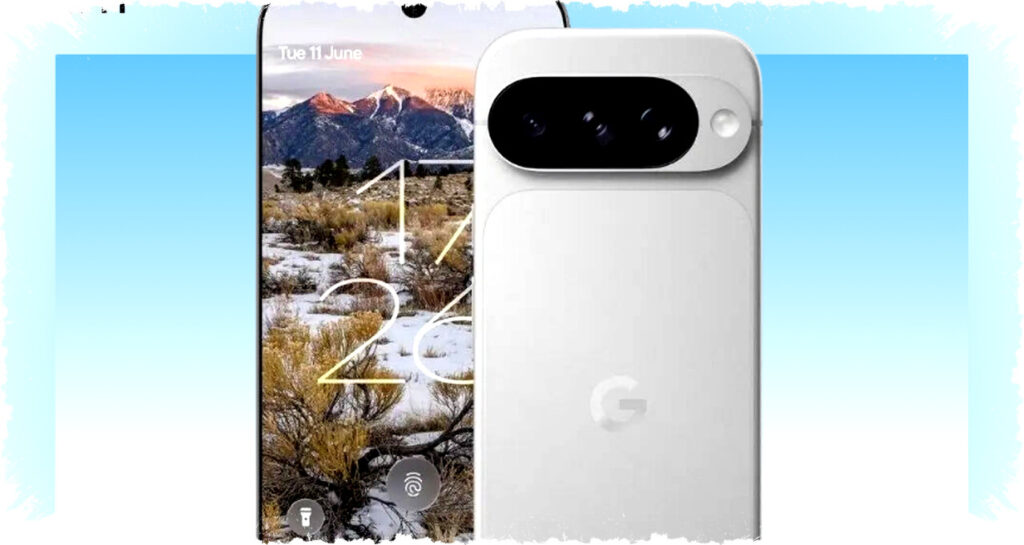
Google is reportedly preparing a significant security upgrade for its upcoming Pixel 11 series. The new Pixel 11 smartphones are expected to feature the Titan M3 security chip, paired with the Tensor G6 system-on-chip (SoC), signaling a stronger emphasis on user data protection.
This forthcoming Titan M3 chip is set to replace the older Titan M2, which debuted with the Pixel 6 series in 2021 and has remained in use up to the Pixel 10 models. Given that the Titan M2 has been in circulation for over four years, Google’s move to introduce the M3 reflects an urgent need to advance its device security capabilities.
What is the Titan M3 and Its Codename?
According to leaks, Titan M3 carries the codename “Google Epic.” While comprehensive technical details have not yet been disclosed, experts anticipate that this new chip will offer enhanced security features beyond what Titan M2 currently provides. This expectation is grounded in Google’s historical commitment to integrating hardware-level security improvements with each Pixel iteration.
Security Functions of the Titan Series
To better understand the upgrade, it helps to recall what the Titan M2 chip handles:
- Secure boot processes ensuring the device runs only verified software
- Protecting the device encryption keys from unauthorized access
- Anti-rollback protection that prevents installation of older, vulnerable software versions
- Verification of PINs or passcodes used to lock the screen
These functions make the chip a critical gatekeeper, safeguarding the device even if the main Android OS or CPU is compromised.
Anticipated Enhancements in Titan M3
The Titan M3 chip is likely designed to further mitigate hardware and software-based attacks. It could introduce more sophisticated encryption techniques, stronger authentication protocols, and improved resilience against emerging cyber threats. Google’s emphasis on security within Pixel devices aligns with increasing concerns over data privacy and malicious exploits in mobile environments.
Because the Titan M3 will work intimately with the Tensor G6 platform, it’s expected to offer seamless security integration without sacrificing performance. This synergy could mark an important step as smartphones become central hubs for sensitive personal and financial data.
Implications for Google Pixel 11 Users
If Google finalizes Titan M3’s deployment in Pixel 11, end-users stand to benefit from significantly amplified protections. These improvements enhance trust and reliability, especially for business users and privacy-conscious consumers. The hardware-bound security measures also reduce the risk of remote exploits, making Pixel devices harder targets for hackers.
Moreover, Titan M3 may enable new security features or services, such as encrypted transactions or more secure biometric authentication. While details remain under wraps, the reputation of Google’s Titan chips as foundational security components strengthens expectations.
Context Highlighting the Role of Titan Security Chips
Since its initial launch, the Titan line of chips has been a benchmark for on-device security. Similar hardware security modules are used in various Google products and cloud services to protect credentials and cryptographic operations. Bringing this caliber of security into Pixel phones underscores a broader move to embed trusted computing technologies into everyday gadgets.
Summary Table: Titan M2 vs. Expected Titan M3 Features
| Feature | Titan M2 (Current) | Titan M3 (Expected) |
|---|---|---|
| Secure boot | Yes | Yes, with improved protocols |
| Encryption key protection | Yes | Enhanced protection anticipated |
| Anti-rollback protection | Yes | Likely more robust updates |
| Screen lock PIN/passcode verification | Yes | Expected advanced authentication |
| Resistance to OS/CPU compromise | Present | Improved hardware/software defense |
The Google Pixel 11’s security upgrade with Titan M3 will therefore represent a meaningful leap in safeguarding user data and ensuring platform integrity. Given the rising threats in cybersecurity, hardware-rooted solutions like Titan M3 are crucial for the future of mobile security.
As the tech community awaits official confirmation and technical disclosures, the buzz around Google Epic codename and Titan M3 highlights a promising direction in secure smartphone design. With more consumers demanding privacy and data security, innovations like these position Google’s Pixel series as a leader in the premium smartphone market.